Bone Broth for Gut Health: The Collagen Connection
How the collagen, gelatin, and amino acids in bone broth repair gut lining, support digestion, and improve the gut-skin axis.

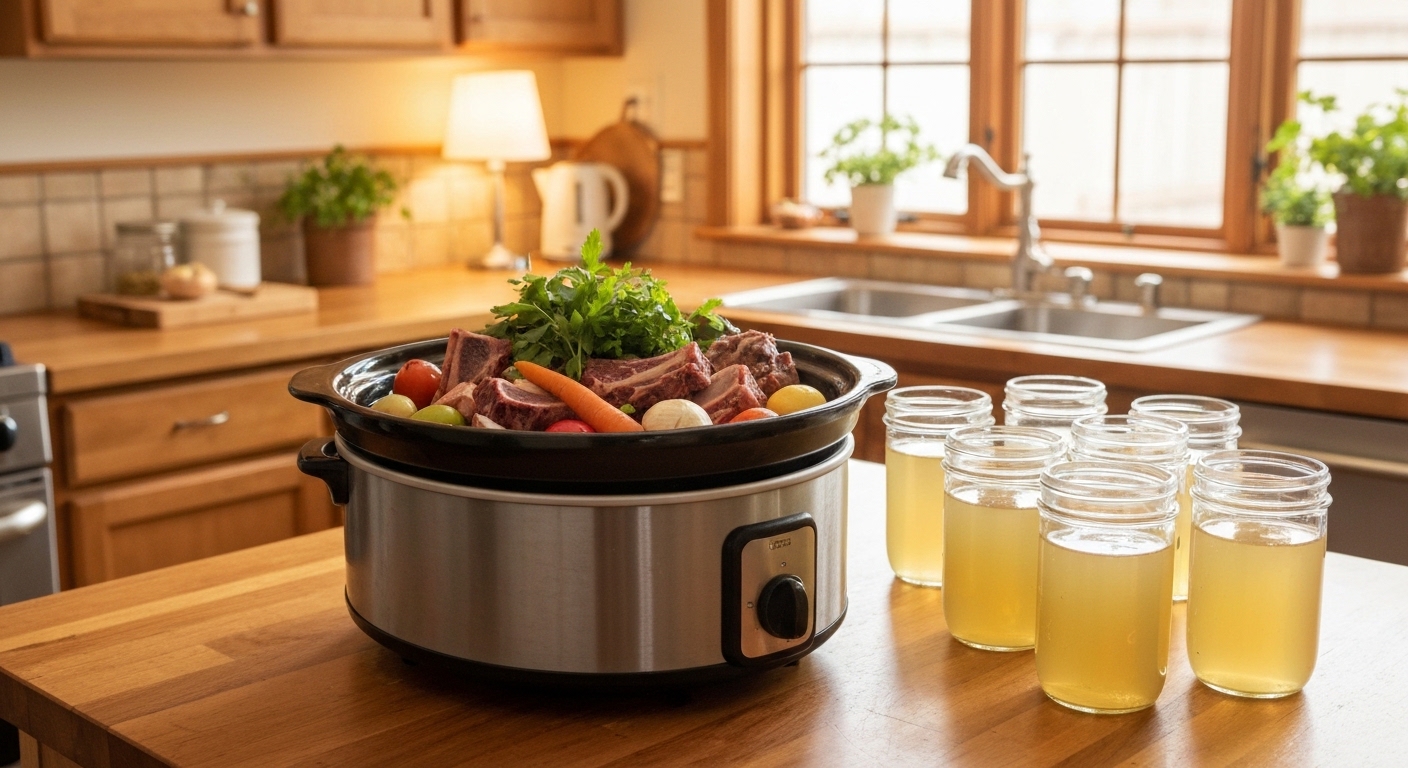
The connection between bone broth, gut health, and skin clarity isn’t wellness marketing. It’s biology. The collagen, gelatin, and specific amino acids extracted during long bone simmering have documented effects on gut barrier integrity, which in turn affects systemic inflammation, nutrient absorption, and skin health.
Understanding this connection changes how you think about bone broth. It’s not just a warming drink. It’s a targeted intervention for gut repair that has downstream effects on your entire body, including your skin.
The Gut Barrier Explained
Your intestinal lining is a single layer of cells (enterocytes) held together by tight junctions. This barrier performs a critical job: allowing nutrients through while keeping bacteria, toxins, and undigested food particles out.
When this barrier becomes permeable (commonly called “leaky gut”), particles that should stay in the gut leak into the bloodstream. Your immune system treats these particles as invaders, triggering an inflammatory response.
This chronic, low-grade inflammation shows up everywhere. In your joints (pain), in your energy (fatigue), in your mood (brain fog), and critically, in your skin (acne, eczema, redness, dullness). The gut-skin connection is mediated primarily through this inflammatory pathway.
How Bone Broth Repairs the Gut
Gelatin
When collagen from bones is heated in water, it converts to gelatin. Gelatin has a unique ability to absorb water and form a gel-like coating on the intestinal lining. This coating:
- Protects damaged areas of the gut wall
- Reduces inflammation in the gut lining
- Supports the growth of beneficial gut bacteria
- Attracts and holds digestive acids, improving digestion
Research in Clinical and Experimental Gastroenterology found that gelatin supplementation improved gut barrier integrity in patients with compromised intestinal function.
Glutamine
The amino acid glutamine is the primary fuel source for enterocytes (the cells that form your gut barrier). When glutamine availability is low, enterocytes can’t maintain tight junctions properly, and the barrier weakens.
Bone broth is naturally rich in glutamine. Regular consumption provides the raw material your gut cells need to repair and maintain barrier integrity.
Glycine
Glycine, abundant in bone broth, has anti-inflammatory and immune-modulating properties. It protects the gut lining from oxidative damage and supports the body’s production of glutathione, the master antioxidant.
Research published in Amino Acids found that glycine supplementation reduced intestinal inflammation in animal models of colitis.
Proline and Hydroxyproline
These amino acids are precursors to collagen synthesis. Your gut lining, like your skin, depends on collagen for structural integrity. Providing the building blocks for collagen production supports gut wall repair.
The Gut-Skin Pathway
The gut and skin communicate through several pathways:
Systemic inflammation. A leaky gut allows bacterial endotoxins (lipopolysaccharides) into the bloodstream. These trigger body-wide inflammation that manifests in the skin as acne, redness, sensitivity, and accelerated aging.
Nutrient absorption. A compromised gut absorbs nutrients poorly. The vitamins (A, C, E), minerals (zinc, selenium), and essential fatty acids that skin depends on may not reach the skin in adequate amounts.
Microbiome balance. Gut dysbiosis (imbalanced gut bacteria) affects skin through immune signaling. Studies have found that people with acne, rosacea, and eczema often have altered gut microbiomes compared to those with clear skin.
Cortisol regulation. The gut produces neurotransmitters (including 95% of the body’s serotonin) that influence stress response. Poor gut health can dysregulate cortisol, which directly affects skin.
The Bone Broth Protocol for Gut Repair
Daily Intake
1 to 2 cups daily is the standard recommendation for gut healing. Drink it warm, ideally 15 to 20 minutes before meals. The gelatin coats the stomach lining and prepares the digestive system for food.
Duration
Gut repair takes time. Plan for:
Weeks 1 to 2. Improved digestion. Less bloating after meals. More regular bowel movements.
Weeks 3 to 4. Reduced food sensitivities for some people. Better nutrient absorption begins.
Month 2 to 3. Gut barrier improvements become measurable. Systemic inflammation decreases. Skin may start showing improvements (less acne, reduced redness, better healing).
Month 4+. Cumulative benefits. The gut lining has had enough time to substantially repair. Skin clarity improves noticeably in many people.
Quality Matters
Not all bone broth is equal:
- Long-simmered. 12 to 24 hours for maximum collagen extraction. If it doesn’t jiggle when cold, it doesn’t have enough gelatin.
- Quality bones. Grass-fed beef bones, pasture-raised chicken bones. The animals’ diet affects the nutrient content of their bones.
- Include joints and cartilage. Chicken feet, oxtail, knuckle bones. These are the highest in collagen.
For how to make it at home, see our bone broth benefits guide.
Combining Bone Broth with Other Gut-Supporting Practices
Bone broth works best as part of a broader gut health strategy:
- Fermented foods. Sauerkraut, kvass, kimchi, and yogurt provide beneficial bacteria.
- Fiber. Prebiotic fiber feeds beneficial gut bacteria. Vegetables, fruit, and resistant starch.
- Eliminate irritants. Reduce or eliminate foods that damage the gut lining: processed seed oils, excessive alcohol, refined sugar.
- Stress management. Chronic stress damages gut barrier integrity independently of diet. Meditation and regular movement both support gut health.
The Bottom Line
Bone broth isn’t a magic cure, but it provides the specific raw materials (gelatin, glutamine, glycine, proline) that your gut lining needs to repair and maintain itself. For people with compromised gut health, and by extension, skin issues driven by gut inflammation, it’s one of the most directly supportive foods available.
The approach is simple: make or buy quality bone broth, drink 1 to 2 cups daily, and give it 2 to 3 months. Combined with fermented foods, good fiber intake, and stress management, it’s a foundational practice for gut-driven skin health.
For how to support skin from the outside while healing the gut, see The Truth About Hyaluronic Acid on Glow Coded.
Related reading: The Complete Guide to Ancestral Eating
Related reading: How to Make Bone Broth: The Complete Recipe and Method Guide — stovetop, slow cooker, and Instant Pot methods so you can start making your own gut-healing broth today