Whey vs Plant Protein for Weight Loss: Which Wins in 2026
Whey vs plant protein for weight loss. Satiety, thermic effect, gut tolerance, and what 12 weeks of each looks like on the scale. The honest comparison.
When it comes to shedding body fat and revealing a leaner, stronger physique, protein is undeniably your most powerful macronutrient ally. It’s the cornerstone of satiety, muscle preservation, and metabolic efficiency – all critical components of a successful weight loss journey. But with the dizzying array of protein powders available, the choice often boils down to two titans: whey and plant protein.
For those navigating the rooted-glow.com path to fat loss, selecting the right protein powder isn’t just about convenience; it’s about optimizing every advantage. This comprehensive guide will dissect the science behind whey and plant protein, comparing their unique benefits, drawbacks, and real-world applications for achieving your fat loss goals. We’ll pit specific, high-quality examples – Transparent Labs 100% Grass-Fed Whey Isolate and Sunwarrior Warrior Blend – against each other to give you a clear, actionable roadmap.
TL;DR Verdict.
For pure, unadulterated fat loss efficacy, whey protein (specifically isolate) often holds a slight scientific edge due to its superior amino acid profile (especially leucine), rapid absorption, and potent satiety signals. However, high-quality plant protein blends like Sunwarrior Warrior Blend are incredibly effective, offering excellent muscle support, gut-friendly options, and fiber benefits, making them a fantastic choice for those with dietary restrictions or preferences. Both are powerful tools; the “best” depends on your individual needs, tolerance, and values. Consistency and overall diet quality will always outweigh the choice between these two excellent options.
How Each Works for Fat Loss (Mechanism, Evidence).
Protein’s role in fat loss is multifaceted and backed by robust scientific evidence. Regardless of its origin, protein helps you lose fat and preserve muscle through three primary mechanisms: satiety, the thermic effect of food (TEF), and muscle protein synthesis (MPS).
1. Satiety Science: Keeping Hunger at Bay
One of the biggest challenges in a caloric deficit is managing hunger. Protein excels here. When you consume protein, it triggers the release of various gut hormones that signal fullness to your brain.
- Cholecystokinin (CCK) and Glucagon-Like Peptide-1 (GLP-1): These hormones are released in response to protein intake, slowing gastric emptying and promoting feelings of fullness.
- Peptide YY (PYY): Another gut hormone, PYY, is directly stimulated by protein and acts to reduce appetite.
- Ghrelin Suppression: Often called the “hunger hormone,” ghrelin levels typically decrease after a protein-rich meal, further contributing to satiety.
Whey Protein is particularly effective at stimulating these satiety hormones due to its rapid digestion and absorption, leading to a quick spike in amino acids in the bloodstream. This rapid delivery can send strong, immediate signals of fullness.
Plant Proteins, especially those containing fiber, can also be highly satiating. While their amino acid absorption might be slightly slower than whey, the added fiber contributes to mechanical distension in the stomach and a more sustained release of nutrients, leading to prolonged feelings of fullness. Some plant proteins, like pea protein, have also been shown to effectively stimulate satiety hormones.
2. The Thermic Effect of Food (TEF): Burning Calories to Digest
The thermic effect of food (TEF), also known as diet-induced thermogenesis, is the energy expenditure above resting metabolic rate due to the cost of processing food for use and storage. Simply put, your body burns calories just to digest, absorb, and metabolize the food you eat.
- Protein has the highest TEF among all macronutrients. Approximately 20-30% of the calories from protein are expended during its digestion. This means that if you consume 100 calories from protein, your body burns 20-30 of those calories just to process it.
- In contrast, carbohydrates have a TEF of 5-10%, and fats have the lowest at 0-3%.
By increasing your protein intake, you can effectively boost your daily energy expenditure, contributing to a larger caloric deficit without necessarily eating less. This “metabolic advantage” makes protein an invaluable tool for fat loss. Both whey and plant proteins contribute to TEF, though their specific amino acid profiles and rates of digestion might lead to minor variations in the exact energetic cost.
3. Leucine Content and Muscle Protein Synthesis (MPS): Preserve and Build
When you’re in a caloric deficit for fat loss, your body is in a catabolic state, meaning it’s breaking down tissues for energy. The goal is to maximize fat loss while minimizing muscle loss. This is where protein, particularly its amino acid profile, becomes critical.
- Muscle Protein Synthesis (MPS): This is the process by which your body repairs and builds new muscle tissue. A high protein intake, especially when combined with resistance training, signals to your body to prioritize muscle repair and growth, even in a deficit.
- Leucine: The Anabolic Trigger: Among the branched-chain amino acids (BCAAs), leucine is the most crucial for stimulating MPS. It acts as a signaling molecule, activating the mTOR pathway, which is essential for muscle growth and repair. To maximally stimulate MPS, studies suggest a “leucine threshold” of approximately 2.5-3 grams per meal or serving.
Whey Protein is renowned for its exceptionally high leucine content and rapid digestion, making it incredibly effective at quickly elevating blood amino acid levels and triggering a robust MPS response. This is why it’s often favored post-workout.
Plant Proteins can sometimes have a less complete amino acid profile or lower leucine content compared to whey. However, strategic blending of different plant protein sources (e.g., pea with rice, or hemp with pea) can create a complete amino acid profile that rivals whey, allowing for effective MPS stimulation. The key is to ensure the blend provides enough leucine per serving to meet the threshold.
By leveraging these three mechanisms, both whey and plant proteins become indispensable tools in your fat loss arsenal, helping you stay full, burn more calories, and protect your hard-earned muscle mass.
Whey for Fat Loss: The Gold Standard for Cutting
Whey protein, a byproduct of cheese production, is often considered the “gold standard” for muscle building and fat loss due to its complete amino acid profile, high bioavailability, and rapid absorption rate.
Why Whey Excels for Fat Loss:
- Rapid Absorption: Whey protein is digested and absorbed quickly, leading to a rapid spike in blood amino acids. This makes it ideal for post-workout recovery to kickstart MPS and for immediate satiety signals.
- Exceptional Leucine Content: Whey has one of the highest leucine contents of any protein source. This potent anabolic amino acid is crucial for triggering MPS, helping to preserve lean muscle mass even during a caloric deficit.
- High Biological Value (BV): Whey protein has a very high BV, meaning your body efficiently utilizes its amino acids for protein synthesis.
- Versatility: It mixes well into shakes, smoothies, and even baking, making it easy to integrate into your daily routine.
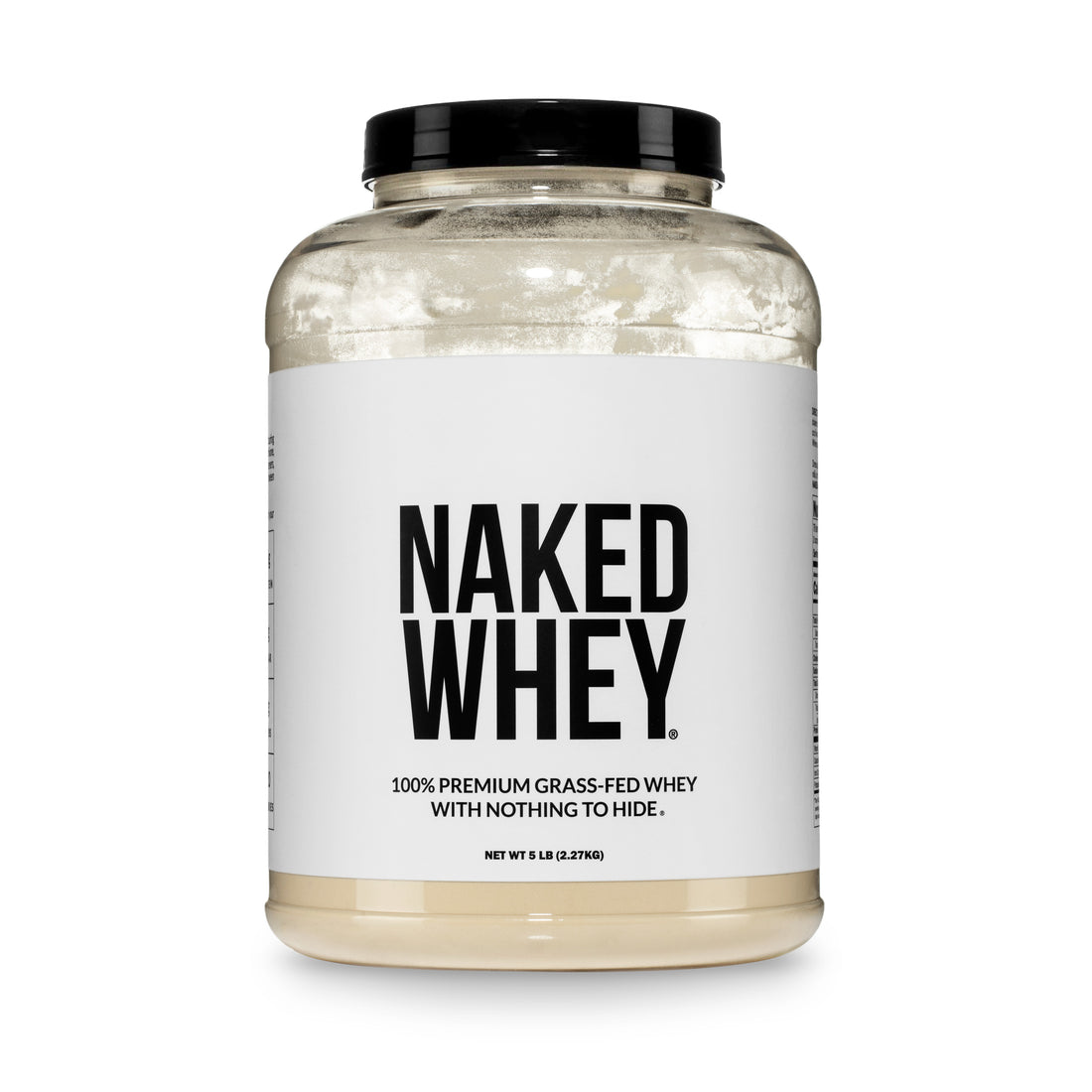
Best Whey for Cutting: Transparent Labs 100% Grass-Fed Whey Isolate
For fat loss, whey isolate is generally preferred over concentrate.
- Whey Isolate undergoes additional processing to remove most of the fat, carbohydrates, and lactose, resulting in a product that is typically 90% or more protein by weight. This makes it a cleaner option with fewer calories from non-protein sources, which is ideal when you’re meticulously tracking macros for fat loss.
- Whey Concentrate (typically 70-80% protein) contains more lactose, fat, and carbs, which might be less desirable for those with lactose sensitivities or strict macro goals.
Transparent Labs 100% Grass-Fed Whey Isolate is an excellent choice for several reasons that align with a rooted-glow.com audience:
- Purity: As an isolate, it boasts a high protein content (around 28g per 32g scoop) with minimal fats (0g) and carbs (1g), ensuring you’re getting almost pure protein.
- Grass-Fed: Sourced from 100% grass-fed cows, it appeals to those seeking higher quality, ethically produced, and cleaner ingredients. Grass-fed dairy often has a better omega-3 to omega-6 ratio.
- High Leucine: Each serving delivers over 5.8g of BCAAs, with a significant portion being leucine, well exceeding the 2.5-3g threshold needed to maximize MPS.
- Digestibility: Due to its isolate form, it’s very low in lactose, making it much more digestible for individuals who typically experience discomfort with dairy.
- No Artificial Sweeteners/Colors: Aligns perfectly with a natural, clean eating philosophy.
Dose and Timing for Fat Loss:
- Dose: Aim for 20-40 grams of whey protein per serving. Distribute your daily protein intake (generally 1.6-2.2g per kg of body weight) across 3-5 meals or snacks to optimize MPS throughout the day.
- Timing:
- Post-Workout: The classic timing, to rapidly deliver amino acids to hungry muscles and kickstart recovery.
- Between Meals: To boost satiety and curb cravings, helping you adhere to your caloric deficit.
- Upon Waking: To break the overnight fast and prevent muscle breakdown.
Digestion, Bloating, and Lactose Issues:
Whey protein concentrate can cause digestive issues, including bloating, gas, and stomach upset, in individuals sensitive to lactose. However, whey isolate like Transparent Labs is highly filtered, removing almost all lactose. This significantly reduces the likelihood of digestive discomfort for most people, even those with mild lactose intolerance. If you are severely lactose intolerant or have a dairy allergy, plant protein is a safer bet.
Per-Gram Cost Comparison (Transparent Labs Whey Isolate):
Based on current market trends (and projecting to 2026), Transparent Labs 100% Grass-Fed Whey Isolate typically costs around $60-$70 for a 2lb tub (approximately 28 servings, 28g protein/serving). This translates to roughly $0.07 - $0.09 per gram of protein. While not the cheapest option, its purity, grass-fed sourcing, and effectiveness make it a premium, worthwhile investment for serious fat loss.
Plant for Fat Loss: The Gut-Friendly Alternative
For those avoiding dairy due to allergies, ethical reasons, or digestive discomfort, plant-based protein powders have evolved significantly to become highly effective tools for fat loss.
Why Plant Protein is Effective for Fat Loss:
- Allergen-Friendly: Naturally free from dairy, soy, and gluten (depending on the blend), making them suitable for a wider range of dietary needs and sensitivities.
- Fiber Content: Many plant proteins naturally contain fiber, which aids digestion, promotes gut health, and contributes to sustained satiety.
- Nutrient Density: Beyond protein, plant sources often provide additional vitamins, minerals, antioxidants, and phytochemicals.
- Sustainability: Plant-based proteins generally have a lower environmental footprint compared to animal-derived proteins.
Best Plant for Cutting: Sunwarrior Warrior Blend
To ensure a complete amino acid profile that rivals whey for muscle preservation, plant protein blends are crucial. A single plant protein source (like pure rice or pure pea) may be deficient in one or more essential amino acids. Blending different sources creates a synergistic effect, providing all nine essential amino acids in adequate amounts.
Sunwarrior Warrior Blend is an excellent example of a high-quality plant protein blend, typically featuring a combination of:
- Pea Protein: Rich in BCAAs, particularly lysine, and often considered one of the closest plant proteins to whey in terms of amino acid profile.
- Hemp Protein: A complete protein, rich in omega-3 and omega-6 fatty acids, and fiber.
- Goji Berry/Other Superfoods: Often included for additional antioxidants and nutrients.
Why Sunwarrior Warrior Blend for Fat Loss:
- Complete Amino Acid Profile: The blend ensures all essential amino acids are present, supporting MPS and muscle preservation during a cut. While its leucine content might be slightly lower per gram than whey, a slightly larger serving can easily meet the leucine threshold.
- Gut Tolerance: Free from dairy and soy, it’s generally well-tolerated by sensitive digestive systems. The fiber content can also promote healthy digestion. Many plant proteins, including Sunwarrior, often include digestive enzymes to further enhance absorption and reduce potential bloating.
- Clean Ingredients: Sunwarrior is known for its commitment to organic, non-GMO, and natural ingredients, aligning with the rooted-glow.com ethos.
- Satiety: The combination of protein and fiber can provide sustained satiety, helping to manage hunger throughout the day.
Dose and Gut Tolerance:
- Dose: Aim for 20-35 grams of protein per serving. Like whey, distribute your daily intake to optimize MPS. Due to potentially slower digestion, a slightly larger serving might be beneficial to hit the leucine threshold effectively.
- Gut Tolerance: Plant proteins are generally well-tolerated, especially by those with dairy sensitivities. However, the fiber content in some plant proteins can cause gas or bloating in individuals unaccustomed to high fiber intake. Starting with a smaller dose and gradually increasing can help your digestive system adjust. Sunwarrior’s inclusion of digestive enzymes helps mitigate these issues.
Per-Gram Cost Comparison (Sunwarrior Warrior Blend):
Sunwarrior Warrior Blend typically costs around $50-$60 for a 1.65lb tub (approximately 25 servings, 20-22g protein/serving). This translates to roughly $0.10 - $0.12 per gram of protein. Plant protein blends can sometimes be slightly more expensive per gram of protein than whey isolate, but this cost reflects the quality of ingredients, blending for completeness, and often organic/non-GMO certifications.
Combining Both: The Best of Both Worlds
For those with no dietary restrictions, combining whey and plant protein can offer a synergistic approach to fat loss, leveraging the unique benefits of each:
- Whey Post-Workout: Utilize Transparent Labs Whey Isolate immediately after training for its rapid amino acid delivery and potent MPS stimulation.
- Plant Protein for Other Meals/Snacks: Incorporate Sunwarrior Warrior Blend as a meal replacement, a snack between meals, or before bed. Its sustained release properties and fiber content can provide long-lasting satiety and gut health benefits.
- Flavor and Texture Variety: Combining different types of protein powders can also offer more variety in flavor and texture, keeping your routine enjoyable and sustainable.
- Nutrient Diversity: You benefit from the diverse micronutrient profiles and phytochemicals found in plant sources, alongside the targeted amino acid benefits of whey.
This approach ensures you’re hitting all your protein targets with optimal timing and varied nutrient sources, maximizing both muscle preservation and fat loss.
Real-World 12-Week Comparison: Whey vs. Plant for Fat Loss
Let’s imagine two individuals, Sarah and Emily, both 30 years old, 160 lbs, with similar starting body compositions, fitness levels, and a goal to lose 15 lbs of fat over 12 weeks while preserving muscle. Both commit to a consistent resistance training program 3-4 times per week and maintain a moderate caloric deficit (e.g., 500 calories below maintenance).
Sarah’s Protocol (Whey Focus):
- Protein Choice: Transparent Labs 100% Grass-Fed Whey Isolate.
- Intake: Aims for 1.8g protein per kg body weight (approx. 130g protein/day).
- Application: Consumes 1 scoop (28g protein) post-workout, and another 1-2 scoops spread throughout the day as part of a smoothie or mixed into oatmeal to boost protein content.
- Experience:
- Satiety: Sarah reports feeling consistently full and satisfied, with fewer cravings between meals, largely attributed to the rapid satiety signals from the whey.
- Muscle Preservation: Her strength numbers remain stable or even slightly increase, indicating excellent muscle preservation. She notices good recovery after workouts.
- Digestion: Experiences no bloating or digestive discomfort, thanks to the low-lactose isolate.
- Energy: Sustained energy levels throughout the day, supporting her training intensity.
Emily’s Protocol (Plant Focus):
- Protein Choice: Sunwarrior Warrior Blend.
- Intake: Aims for 1.8g protein per kg body weight (approx. 130g protein/day).
- Application: Consumes 1-1.5 scoops (20-30g protein, to ensure adequate leucine) post-workout, and another 1-2 scoops as part of a plant-based meal replacement shake or mixed into plant-based yogurt.
- Experience:
- Satiety: Emily also reports excellent satiety, feeling full for extended periods, which she attributes to the combination of protein and fiber in the Warrior Blend.
- Muscle Preservation: Her strength is maintained, and she feels her muscles are recovering well, thanks to the complete amino acid profile of the blend.
- Digestion: Initially, she experienced slight gas as her body adjusted to the fiber, but this quickly subsided. She appreciates the absence of dairy-related bloat.
- Energy: Consistent energy, and she feels a positive impact on her overall gut health.
12-Week Outcome: After 12 weeks, both Sarah and Emily successfully achieve their fat loss goals, each losing approximately 15 lbs of body fat while maintaining or even slightly increasing their lean muscle mass.
- Key Takeaway: Both protein types, when used consistently as part of a well-structured diet and exercise plan, are highly effective for fat loss and muscle preservation. Sarah’s rapid digestion of whey might have given her a slight edge in immediate post-workout MPS, while Emily’s plant protein offered sustained satiety and additional gut health benefits. The ultimate success for both came down to consistency, adherence to a caloric deficit, and dedication to resistance training, with their chosen protein powder acting as a powerful, supportive tool. The choice between them was more about personal preference, dietary needs, and tolerance than a significant difference in fat loss outcomes.
Frequently Asked Questions
1. Which is better for satiety: whey or plant protein?
Both are excellent for satiety, but they achieve it through slightly different mechanisms. Whey protein (especially isolate) tends to produce a rapid and potent satiety signal due to its quick digestion and the fast release of amino acids and satiety hormones. This can be great for immediate hunger suppression. Plant protein blends, particularly those with fiber (like Sunwarrior Warrior Blend), often provide a more sustained feeling of fullness. The fiber slows digestion, leading to a more gradual release of nutrients and prolonged satiety. For some, the sustained effect of plant protein might feel more satisfying over the long term, while others prefer the immediate impact of whey.
2. Will whey protein make me bloated?
Whey protein concentrate, which contains more lactose, can cause bloating, gas, and digestive upset in individuals with lactose intolerance or sensitivity. However, whey isolate, like Transparent Labs 100% Grass-Fed Whey Isolate, undergoes extensive filtration to remove almost all lactose. This makes it significantly more digestible and less likely to cause bloating for most people, even those with mild lactose issues. If you have a severe dairy allergy or extreme lactose intolerance, plant protein is still the safest choice. It’s also worth noting that some individuals can experience bloating with certain plant proteins due to specific plant compounds or high fiber content.
3. What’s the leucine threshold for muscle building/preservation?
The “leucine threshold” refers to the amount of leucine needed in a single meal or serving to maximally stimulate muscle protein synthesis (MPS). For most healthy adults, this threshold is generally accepted to be around 2.5 to 3 grams of leucine per meal. Consuming at least this much leucine, along with other essential amino acids, is crucial for signaling muscle repair and growth, especially when in a caloric deficit to preserve lean mass. Whey protein naturally contains a very high amount of leucine, easily meeting this threshold with a standard serving. Plant protein blends need to be carefully formulated or consumed in slightly larger servings to ensure they provide adequate leucine.
4. Is casein protein better than whey at night for fat loss?
While this article focuses on whey vs. plant, it’s a great question regarding protein timing. Casein protein is a slow-digesting dairy protein, forming a gel in the stomach that releases amino acids gradually over several hours. This sustained release makes it ideal for preventing muscle breakdown during prolonged fasting periods, such as overnight sleep. For fat loss, preserving muscle is key, and casein can help maintain a positive nitrogen balance overnight. Whey protein, being fast-digesting, is absorbed too quickly to provide this sustained overnight support. Therefore, for evening consumption, especially if you’re looking to optimize muscle preservation during a long fast, casein often has an edge over whey. Some individuals choose a plant blend for similar sustained release benefits, especially if it contains fiber.
5. What’s a good cheap protein option for fat loss?
When seeking a more budget-friendly protein option for fat loss without compromising too much on quality or effectiveness, several choices stand out:
- Whey Concentrate: This is generally less expensive per gram of protein than whey isolate. While it contains more lactose and slightly more fat/carbs, it still provides a high-quality, complete protein source with excellent leucine content. Just be mindful if you have lactose sensitivities.
- Pea Protein Isolate: Among plant proteins, pea protein isolate is often the most cost-effective. It’s a good source of BCAAs, though it’s typically blended with other plant proteins to achieve a complete amino acid profile. If budget is a primary concern, a pure pea protein isolate can be a good base, though you might need to adjust serving sizes or combine it with other protein sources throughout the day to ensure optimal leucine intake. For more options, check out our guide on [/best-protein-powders-clean-natural/].
Ultimately, the best protein powder for your fat loss journey is the one you can consistently incorporate into your diet, that aligns with your dietary needs and preferences, and that you enjoy. Both Transparent Labs 100% Grass-Fed Whey Isolate and Sunwarrior Warrior Blend represent top-tier choices in their respective categories, offering potent tools to help you achieve your rooted-glow goals.