Meditation and Cortisol: How Stillness Heals Skin
The science connecting meditation, cortisol reduction, and skin health. How managing stress through stillness directly improves acne, aging, and skin conditions.

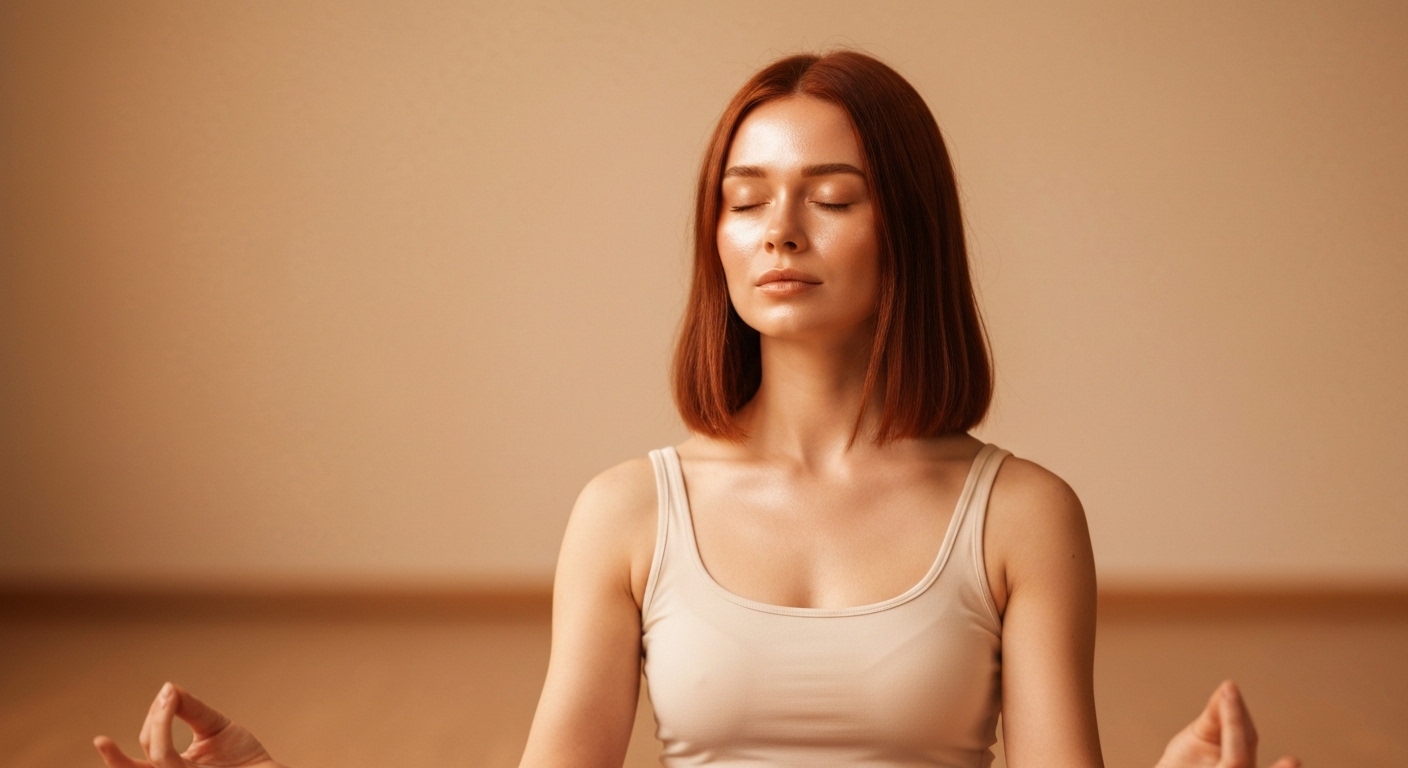
Your skin is an organ that responds directly to your hormones. When you’re stressed, your body produces cortisol. When cortisol stays elevated, your skin suffers. The connection is not metaphorical. It’s biochemical, measurable, and increasingly well-documented.
Meditation reduces cortisol. Reduced cortisol improves skin. The logic is straightforward, and the science backs it up.
The Cortisol-Skin Connection
What Cortisol Does to Skin
Cortisol is your primary stress hormone. In short bursts, it’s useful: it mobilizes energy, sharpens focus, and prepares you for action. The problem is chronic elevation. When stress is ongoing and cortisol stays high, the effects on skin are significant:
Increased sebum production. Cortisol stimulates the sebaceous glands to produce more oil. More oil means more clogged pores, more blackheads, and more acne.
Impaired barrier function. Elevated cortisol weakens the skin’s moisture barrier, increasing transepidermal water loss. Your skin becomes drier, more reactive, and less able to defend against environmental irritants.
Increased inflammation. Cortisol has a paradoxical relationship with inflammation. Short-term, it’s anti-inflammatory. Chronic elevation actually promotes inflammation, worsening conditions like acne, rosacea, eczema, and psoriasis.
Accelerated aging. Cortisol breaks down collagen and elastin, the proteins that keep skin firm and bouncy. Chronic stress literally ages your skin faster by degrading its structural support.
Impaired healing. Elevated cortisol slows wound healing and tissue repair. Acne marks take longer to fade. Post-inflammatory hyperpigmentation lingers.
Triggered flares. Many skin conditions (eczema, psoriasis, rosacea, hives) have stress as a documented trigger. Cortisol activates the inflammatory pathways that drive these conditions.
The Meditation Evidence
Cortisol Reduction
A 2023 meta-analysis of 45 randomized controlled trials found that regular meditation practice produces a statistically significant reduction in cortisol levels compared to non-meditating controls. The effect was consistent across different meditation styles (mindfulness, transcendental, loving-kindness).
The reduction isn’t dramatic on any single day. It’s a gradual lowering of baseline cortisol over weeks of consistent practice. This is exactly what skin needs: a sustained reduction in the stress hormone that’s driving damage.
Inflammatory Markers
Research from UCLA found that mindfulness meditation reduced levels of interleukin-6 (IL-6), a pro-inflammatory cytokine implicated in acne, rosacea, and accelerated aging. After 8 weeks of practice, meditators showed measurably lower systemic inflammation.
Skin-Specific Studies
A study published in Brain, Behavior, and Immunity found that mindfulness meditation improved psoriasis clearance rates by a factor of four compared to light therapy alone. Patients who meditated while receiving UV treatment cleared their psoriasis significantly faster.
Another study found that meditation-based stress reduction improved atopic dermatitis (eczema) severity scores after 8 weeks of practice.
How Meditation Helps Specific Skin Conditions
Acne
Stress-triggered acne is mediated by cortisol increasing sebum production and inflammation. By reducing cortisol, meditation addresses the hormonal trigger rather than just the surface symptoms. This is why some people’s acne improves when they start a meditation practice even without changing their skincare.
For topical support, see our guide to Korean products for stress breakouts.
Aging
Cortisol is one of the most significant accelerators of skin aging. It breaks down collagen, thins the skin, and impairs the skin’s ability to repair itself. By keeping cortisol in check, meditation supports collagen preservation and slower visible aging.
Rosacea
Stress is one of the most commonly reported rosacea triggers. Meditation’s ability to modulate the stress response makes it a valuable complementary practice for rosacea management.
Eczema and Psoriasis
Both conditions are driven by immune dysregulation that stress exacerbates. The meditation evidence for psoriasis is particularly strong.
The Practical Protocol
You don’t need to become a monk. The research shows benefits with modest, consistent practice.
Minimum effective dose. 10 to 15 minutes of daily meditation. The studies showing cortisol reduction used daily sessions of 10 to 20 minutes.
Consistency over duration. 10 minutes daily beats 60 minutes once a week. The physiological changes are driven by repeated practice, not marathon sessions.
Morning is ideal. Cortisol naturally peaks in the morning (cortisol awakening response). Meditating shortly after waking can help moderate this peak and set a calmer hormonal tone for the day.
Any style works. The research supports multiple meditation styles. Choose whatever you’ll actually do consistently. For beginners, our meditation guide is the starting point.
The Timeline
Week 1 to 2. No visible skin changes. But you may notice improved sleep quality and slightly lower baseline anxiety. These are precursors.
Week 3 to 4. Cortisol levels begin to shift. Inflammatory markers start decreasing. Some people notice fewer stress breakouts during this period.
Month 2 to 3. Visible skin improvements. Existing breakouts may heal faster. Redness and irritation may reduce. Skin appears calmer.
Month 4+. Cumulative benefits. Skin conditions that were previously stress-triggered become less frequent. Overall skin quality improves.
Complementary Practices
Meditation alone won’t fix skin problems that have other root causes. But combined with good skincare, adequate sleep, and proper nutrition, it addresses a root cause that most people ignore.
- Sleep quality directly affects cortisol regulation
- Regular movement reduces cortisol through a different mechanism
- Gut health modulates the inflammatory pathways that cortisol activates
- Adaptogens like ashwagandha and rhodiola can pair with meditation to buffer chronic stress
- Magnesium glycinate supports HPA-axis recovery and calms the nervous system
The most effective approach to skin health is holistic. Meditation is one pillar, not the whole building. But for many people, it’s the missing pillar that makes everything else work better.
For the topical side of the equation, see How to Fade Dark Spots With K-Beauty on Glow Coded for targeted treatments.
Related reading: K-Beauty Night Routine for Glowing Skin
Related reading: 7 Meditation Techniques Compared: Which Style Fits You — once you have a consistent practice, exploring different techniques deepens both the benefits and your enjoyment