Fibermaxxing: Food Fiber vs Fiber Supplements, and How Much Is Enough
What fibermaxxing is, how much fiber adults are advised to eat, and how food fiber compares with psyllium and inulin supplements, with sources and the trend's limits.

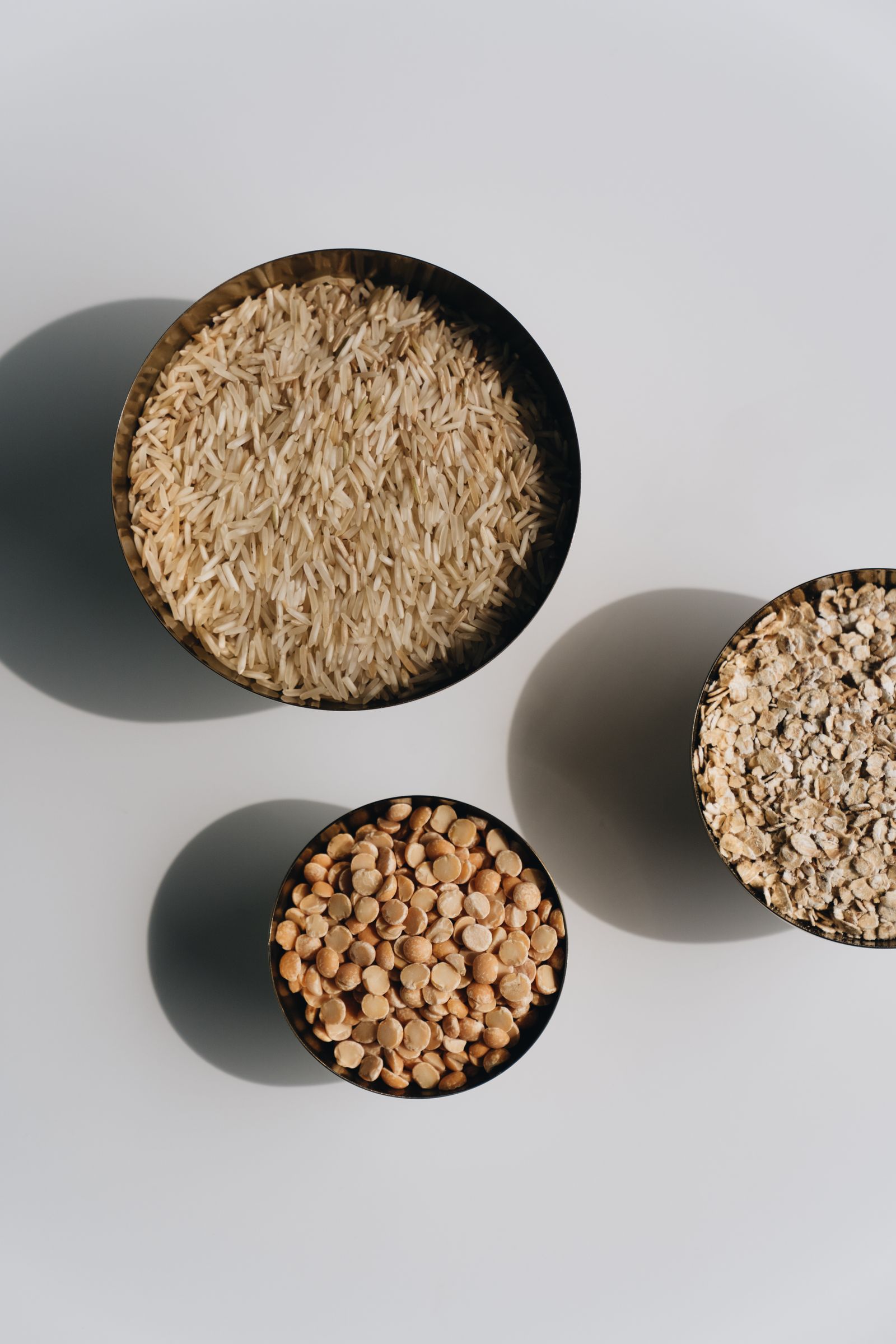
Photo: alleksana / Pexels. Contextual stock photograph, not a product test or endorsement. License.
This post contains affiliate links; we may earn a commission at no cost to you.
Code ROOTEDGLOW10 takes 10% off a one-time purchase at Mirai Skin. It cannot be combined with other product or order discounts.
Mirai Skin ships from South Korea. Contiguous US (48 states and Washington, DC): $9 for orders up to 1.3 kg, or free from $80 after discounts when the order is 1.3 kg or less. Heavier US orders cost more. EU: $11 flat per order, and that free-shipping threshold does not apply. Other countries: the rate is shown at checkout. Allow 3–5 business days to process, then usually 7–14 business days after dispatch. Duties or taxes may apply and are paid by the buyer.
This post contains affiliate links; we may earn a commission at no cost to you.
Photo: alleksana on Pexels.
“Fibermaxxing” is the social media habit of fitting fiber into every meal and snack, sometimes aiming for 50 g a day or more. UW Medicine shared an article on 6 November arguing the trend misses something: the variety of fiber matters as much as the total.
This guide covers what the main health sources say about how much fiber adults need, how food fiber compares with popular supplements, and where the trend goes too far. It is general information, not medical advice.
How much fiber adults are advised to eat
Mayo Clinic lists the National Academy of Medicine’s daily recommendations:
| Group | Daily fiber |
|---|---|
| Women 50 or younger | 25 g |
| Women over 50 | 21 g |
| Men 50 or younger | 38 g |
| Men over 50 | 30 g |
The Dietary Guidelines for Americans put it another way: 14 g for every 1,000 calories you eat. On US food labels, the FDA’s Daily Value for dietary fiber is 28 g.
UW Medicine’s Right as Rain notes that around 95% of Americans don’t get enough fiber. For most people, then, the goal is to reach the target, not double it.
Is more fiber always better?
Not past a point. A 2019 Lancet review of 185 prospective studies and 58 clinical trials found that people eating more fiber had lower rates of several conditions. The largest differences appeared around 25 to 29 g a day. Most of that evidence is observational, so it shows an association, not proof that fiber alone caused the difference. A Medscape summary adds that there’s no evidence that 60 to 100 g a day from supplements does more than ordinary intake from food.
UW Medicine’s March article quotes a clinician saying most people can’t tolerate 50 g a day. Jumping up quickly can cause gas, bloating, cramping and diarrhea. Too much fiber without enough fluid can also cause constipation.
Food fiber vs fiber supplements
| Fiber from whole foods | Psyllium husk | Inulin (chicory root fiber) | |
|---|---|---|---|
| What it is | A mix of soluble and insoluble fibers, plus vitamins, minerals and plant compounds | A soluble fiber that forms a gel in water | A fermentable fiber often added to “prebiotic” drinks and bars |
| Where you find it | Beans, lentils, whole grains, fruit, vegetables, nuts, seeds | Supplements such as Metamucil and Konsyl | Added-fiber foods, prebiotic sodas, supplements |
| Variety | High, if you eat a range of plants | One fiber type | One fiber type |
| Common side effects when you add a lot fast | Gas and bloating | Bloating and abdominal pain, per Medscape; take it with plenty of fluid | Gas and bloating; Mayo Clinic notes some people get gas from added fibers like chicory root |
| What the sources say | Mayo Clinic says whole foods are generally better than supplements | A clinician may suggest it when diet changes aren’t enough | UW Medicine warns that hitting a fiber number mostly from prebiotic sodas means a lot of inulin and too little variety |
Sources for the table: Mayo Clinic on dietary fiber and UW Medicine on fiber diversity.
Who each suits. Food fiber suits nearly everyone and is the default. A supplement like psyllium is something to discuss with a clinician, especially if you have a digestive condition or take regular medication. Inulin-heavy products are fine as an extra for many people, but they don’t replace a varied diet.
Why variety matters
UW Medicine’s article, by Christopher Damman, MD, argues that gut microbes need many kinds of prebiotics, not one kind in large amounts. It suggests four F’s to aim for:
- Fiber: whole grains like oats, nuts, seeds, beans, fruit and vegetables.
- Phenols: colorful fruit and vegetables, such as blueberries, red peppers and purple cabbage.
- Healthy fats: olives, avocados and oils rich in mono- and polyunsaturated fats.
- Fermented foods: yogurt, sauerkraut, brined pickles and kimchi.
For the difference between prebiotics and probiotics, see our probiotics vs prebiotics guide. To make fermented foods at home, try our sauerkraut and kimchi guides.
Fiber in common foods
These figures come from Mayo Clinic’s chart of high-fiber foods, based on USDA data and rounded to the nearest 0.5 g.
| Food | Serving | Fiber |
|---|---|---|
| Split peas, boiled | 1 cup | 16 g |
| Lentils, boiled | 1 cup | 15.5 g |
| Black beans, boiled | 1 cup | 15 g |
| Chia seeds | 1 ounce | 10 g |
| Green peas, boiled | 1 cup | 9 g |
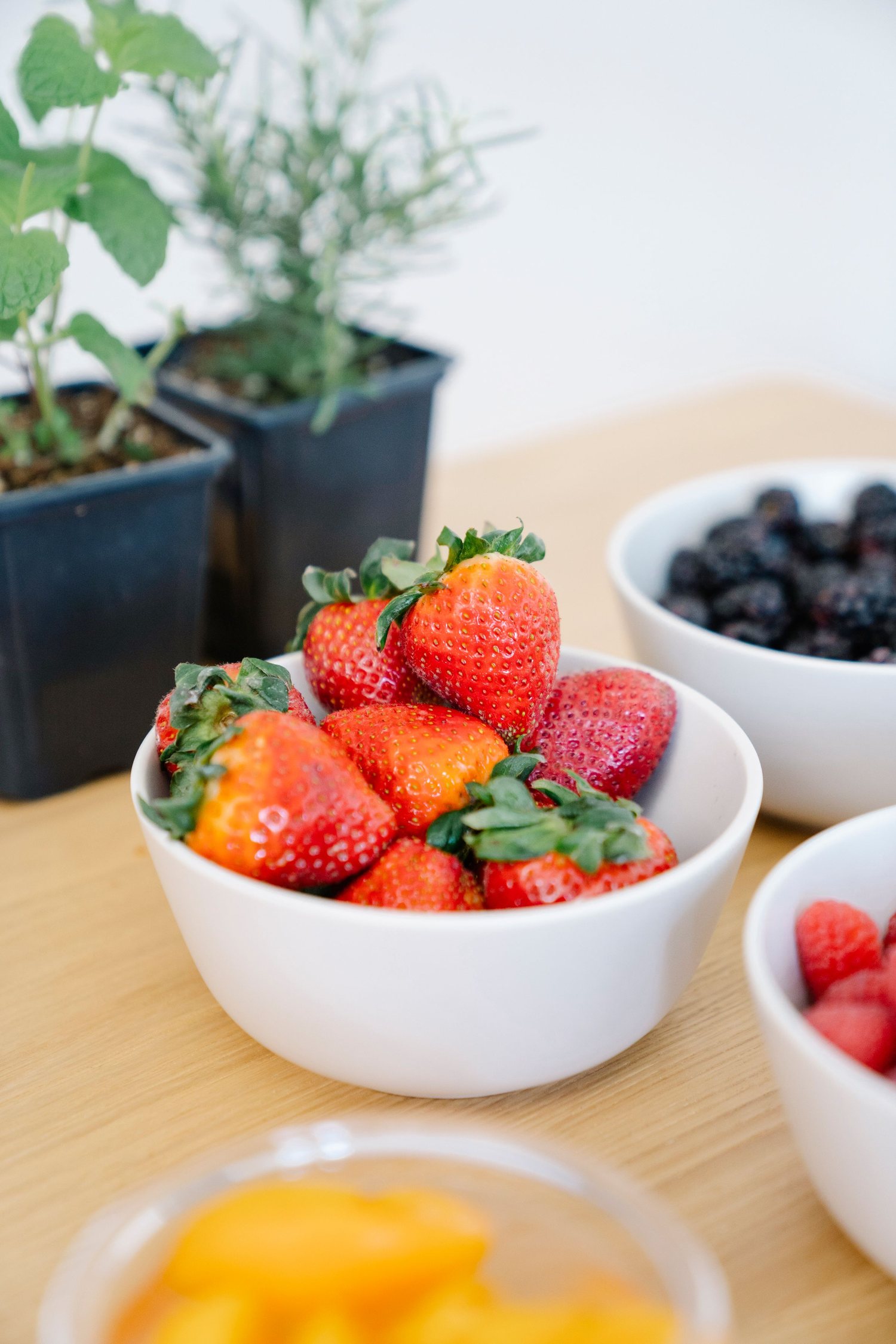
| Raspberries | 1 cup | 8 g |
| Barley, pearled, cooked | 1 cup | 6 g |
| Pear | 1 medium | 5.5 g |
| Broccoli, boiled | 1 cup chopped | 5 g |
| Oatmeal, instant, cooked | 1 cup | 4 g |
| Brown rice, cooked | 1 cup | 3.5 g |
Mayo Clinic gives an example: a cup of raspberries on a cup of cooked oatmeal with half an ounce of almonds gives about 13.5 g of fiber.
How to add fiber without overdoing it
- Go slowly. Mayo Clinic suggests adding fiber over a few weeks so your gut bacteria can adjust.
- Drink fluids. Fiber works best when it absorbs water.
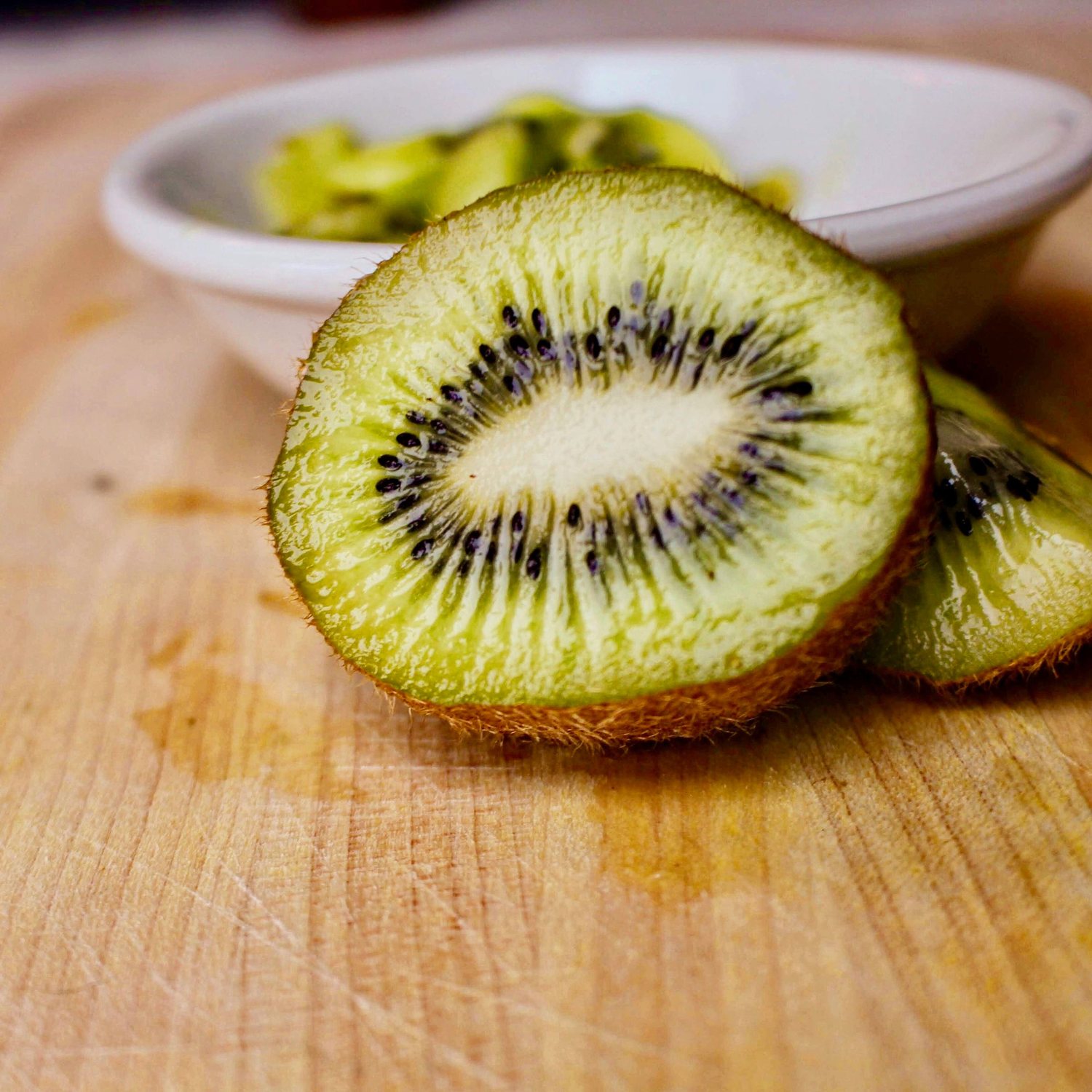
- Add one food at a time. Beans in a soup, berries on oats, a piece of fruit as a snack. Our warming soups and seasonal fruit guide have ideas, and kiwi is an easy fruit to add.
- Plan it into the week. A weekly food shopping template helps you keep beans, grains and produce on hand.
- Watch how you feel. If you get more gas or bloating, slow down.
If you train hard, timing matters too. Some runners prefer lower-fiber meals in the hours before a hard session or race, so try changes on easy days first. Our electrolyte drinks for runners guide covers fluids.
When to talk to a clinician first
Mayo Clinic says your healthcare professional may ask you to eat less fiber after some gut surgeries, during flares of Crohn’s disease or ulcerative colitis, with intestinal narrowing, with gastroparesis or before a colonoscopy. UW Medicine adds that very high fiber can make symptoms worse for some people with IBS or inflammatory bowel conditions. If any of these apply, or if you’re thinking about a supplement, ask first.
Food and skin
You’ll see fibermaxxing posts promising clearer skin. We haven’t found good evidence that fiber intake changes acne or other skin conditions, and we don’t make that claim. Our gut-skin connection guide explains what the research does and doesn’t show. Glow Coded’s dietary vs topical vitamin C explains a better-studied food and skin link, with its limits. If you’re shopping for skincare, Mirai Skin is our affiliate shop.
Frequently asked questions
What is fibermaxxing?
A social media trend of adding fiber to every meal and snack, sometimes aiming well above the daily recommendation. Some people do it with food, others with supplements and fiber-added products.
How much fiber should I eat a day?
The National Academy of Medicine suggests 25 g for women 50 or younger, 21 g for women over 50, 38 g for men 50 or younger and 30 g for men over 50, as listed by Mayo Clinic.
Is 50 grams of fiber a day too much?
It’s well above the recommendations, and a clinician quoted by UW Medicine says most people can’t tolerate it. It may cause gas, bloating or other digestive discomfort, especially if you increase quickly.
Is psyllium or inulin better?
They’re different. Psyllium is a soluble fiber that forms a gel, and inulin is a fermentable fiber common in prebiotic products. Neither replaces a varied diet. Ask a clinician which, if any, suits you.
Are fiber supplements as good as food?
Mayo Clinic says whole foods are generally better, because supplements don’t provide the variety of fiber, vitamins, minerals and other nutrients that food does.
Does fibermaxxing help your skin?
We haven’t found good evidence that it does. Rooted Glow doesn’t claim that fiber improves acne or other skin conditions.
Sources
- Mayo Clinic, Dietary fiber: Essential for a healthy diet (24 December 2025): https://www.mayoclinic.org/healthy-lifestyle/nutrition-and-healthy-eating/in-depth/fiber/art-20043983
- Mayo Clinic, Chart of high-fiber foods (24 December 2025): https://www.mayoclinic.org/healthy-lifestyle/nutrition-and-healthy-eating/in-depth/high-fiber-foods/art-20050948
- UW Medicine Right as Rain, What Fibermaxxing Misses About Cultivating a Healthy Gut (Christopher Damman, MD, 26 October 2026): https://rightasrain.uwmedicine.org/body/food/fiber-diversity-versus-fibermaxxing
- UW Medicine Right as Rain, Is Fibermaxxing the Best Way to Get More Fiber? (2 March 2026): https://rightasrain.uwmedicine.org/body/food/how-much-fiber-to-eat-daily
- Reynolds A, et al. Carbohydrate quality and human health: a series of systematic reviews and meta-analyses. The Lancet. 2019;393:434-445: https://pubmed.ncbi.nlm.nih.gov/30638909/
- US Food and Drug Administration, Daily Value on the Nutrition and Supplement Facts Labels: https://www.fda.gov/food/nutrition-facts-label/daily-value-nutrition-and-supplement-facts-labels
- Medscape, What Is Fibermaxxing and Is More Fiber Always Better? (27 August 2026): https://www.medscape.com/viewarticle/what-fibermaxxing-and-more-fiber-always-better-2026a1000ttx