A Diet for Glowing Skin: What the Research Actually Supports
Which foods and nutrients are linked to healthy-looking skin? An evidence-first guide to eating for glowing skin, with simple whole-food habits.

This post contains affiliate links; we may earn a commission at no cost to you.
Code ROOTEDGLOW10 takes 10% off at Mirai Skin (one code per order).
Mirai Skin ships from South Korea: $11 flat to the EU, other rates at checkout; usually 7–14 business days after a 3–5 day dispatch. Import duties, if any, are paid by the buyer.
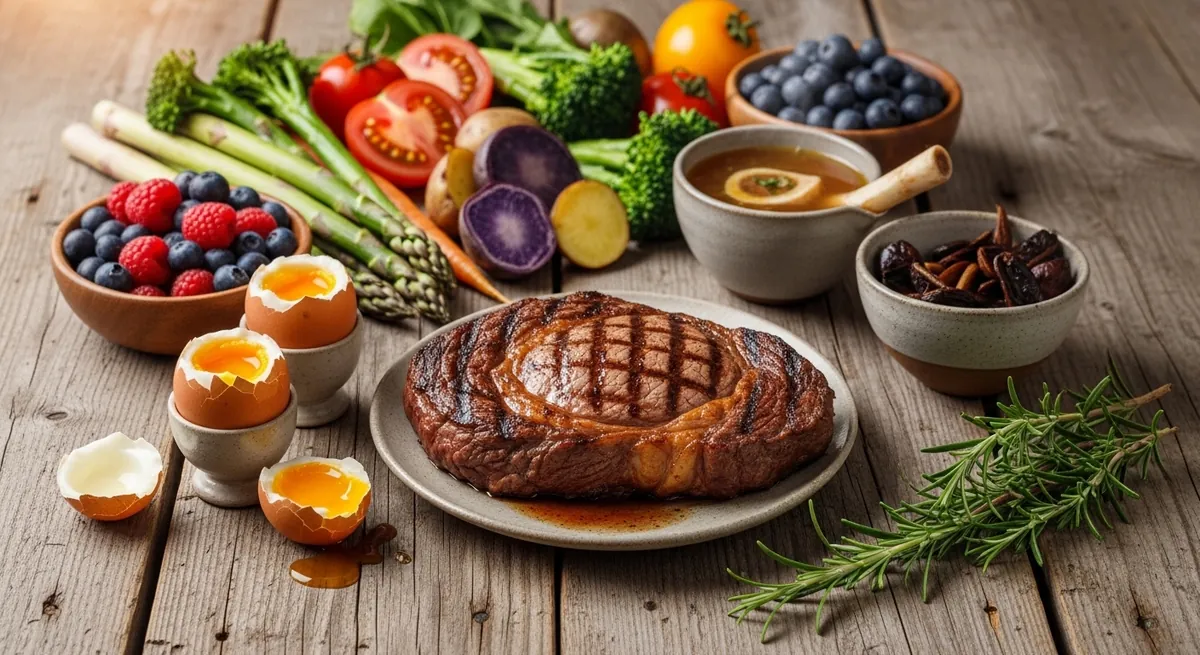
No single food gives you glowing skin. Research links healthy-looking skin with a pattern of eating that includes enough vitamin C from fruit and vegetables, essential fats from fish, nuts and seeds, colorful produce and adequate protein. Think in plate-level habits rather than superfoods, and pair them with daily sunscreen.
This guide sets out what the evidence says, where it stops, and how to turn it into ordinary meals.
How Much Diet Can Change How Your Skin Looks
Some, but not on its own. The Linus Pauling Institute at Oregon State University reviews nutrition research for the public, and its skin overview says “Nutritional status plays an important role in the maintenance of healthy skin.” Carbohydrates, proteins, fats, vitamins and minerals all go into building and maintaining the skin’s barrier.
The same review adds a limit. Much of what we know comes from studying deficiency, meaning what goes wrong when a nutrient is missing. That tells us skin needs these nutrients. It doesn’t prove that eating more than you need will make skin look better. So the realistic goal is to cover the basics well and consistently, not to chase extra doses.
Skin also responds to things food can’t touch: UV, sleep, stress, weather and how you wash your face. Diet is one input among several.
The Nutrients Studied for Skin
These are the nutrients with the clearest research links to how skin is built and maintained. None of them comes with a promised result.
Vitamin C
Vitamin C is needed to make collagen, the protein that gives skin its structure. The Linus Pauling Institute notes that its antioxidant properties and “its role in collagen synthesis make vitamin C a vital molecule for skin health.” It also points out that vitamin C is not a sunscreen. Good food sources include citrus fruit, peppers, strawberries, blackcurrants, broccoli and brussels sprouts, according to the NHS.
Essential Fatty Acids
Your body can’t make the two essential fatty acids, linoleic acid (omega-6) and alpha-linolenic acid (omega-3), so they have to come from food. The Linus Pauling Institute says omega-6 and omega-3 fats “play a critical role in normal skin function and appearance,” and that omega-6 fats in particular help with the skin’s structure and barrier. Oily fish, walnuts, flax and chia are simple sources. We go deeper in our guide to omega-3 for skin.
Carotenoids and Vitamin A
Carotenoids are the pigments in yellow, orange, red and dark green produce. The body can turn one of them, beta-carotene, into vitamin A. The NHS vitamin A page lists spinach, carrots, sweet potatoes, red peppers, mango, papaya and apricots as the main sources of beta-carotene, and cheese, eggs, oily fish, milk, yogurt and liver as good sources of vitamin A itself.
Protein
Skin’s structural proteins, keratin and collagen, are built from amino acids. The Linus Pauling Institute notes that amino acids are needed to produce both deeper and outer skin structures, while adding that skin’s exact amino acid needs are “poorly understood.” Getting enough protein across the day is the practical takeaway.
Zinc and Other Minerals
Zinc is one of two minerals the Linus Pauling Institute’s review of minerals and skin health looks at, though it notes that few minerals have been studied for skin. The NIH Office of Dietary Supplements lists oysters, meat, fish, poultry and other seafood as good sources, and says beans, nuts, whole grains, eggs and dairy provide some. Most people get enough from food, and too much zinc can be harmful, so talk to a doctor before taking a supplement.
7 Whole-Food Habits for Glowing Skin
These habits come from the nutrient research above and from general healthy-eating guidance such as the NHS Eat Well pages. They fit the ancestral, whole-food way we cook at Rooted Glow.
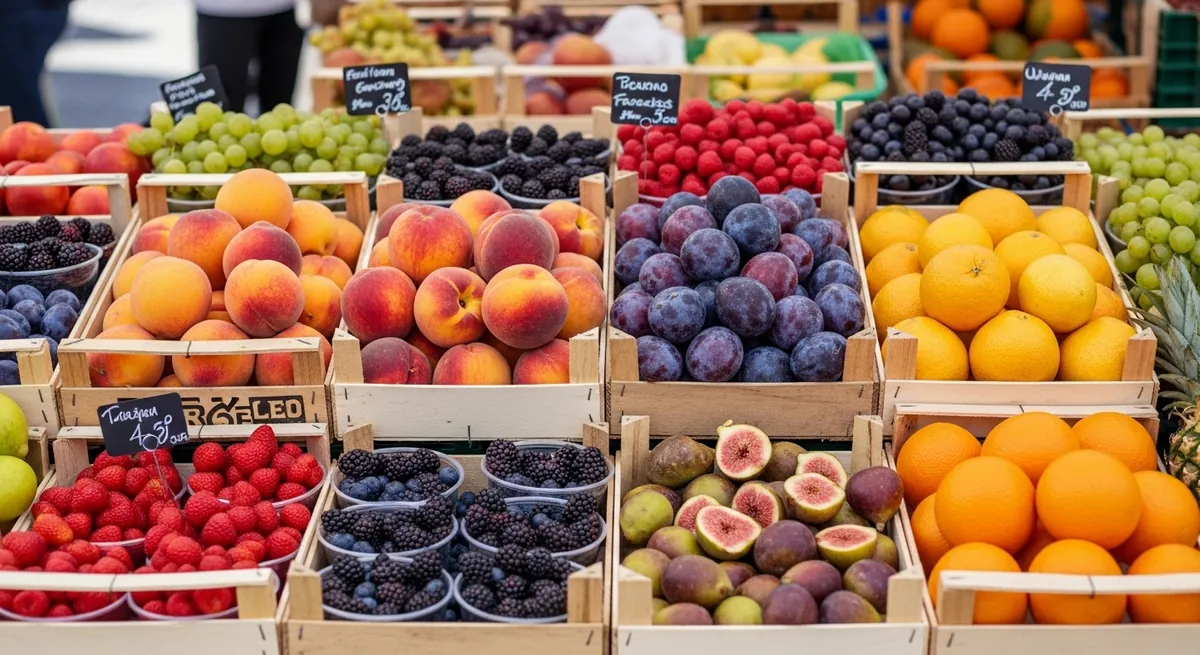
- Put color on most plates. Aim for a vegetable or fruit at every meal, and rotate colors through the week for vitamin C and carotenoids. Our seasonal fruit guide helps you buy what’s at its best.
- Eat oily fish regularly. Salmon, sardines, mackerel and herring are among the cold-water fatty fish listed as sources of the omega-3s EPA and DHA by the NIH Office of Dietary Supplements.
- Add a handful of nuts or seeds. Walnuts, flax and chia supply plant omega-3 (ALA). Nuts add some zinc too.
- Include protein at each meal. Eggs, fish, meat, yogurt, beans and lentils all count. The complete guide to ancestral eating shows how to build meals around them.
- Use traditional foods if you enjoy them. Bone broth and organ meats are nutrient-dense staples in many food cultures. See what the research says about bone broth and collagen and our beginner’s guide to organ meats. Liver is a very rich source of vitamin A, so the NHS advises eating liver or liver products, such as pâté, no more than once a week, and avoiding them in pregnancy.
- Eat fermented foods for variety. Yogurt, kefir, kimchi and sauerkraut add diversity to the diet. More on this below.
- Drink water through the day. Plain water, tea and water-rich foods all count. For the skin’s outer layer, the weather matters too. The Linus Pauling Institute notes that changes in temperature, air flow and humidity can pull water away from the skin, which is why a moisturizer is part of the routine below.
If you want ready-made dishes built on these foods, our 10 anti-inflammatory meals are a practical start.
Foods for Healthy Skin: A Simple Shopping List
| Food group | Examples | What it supplies |
|---|---|---|
| Citrus and berries | Oranges, strawberries, blackcurrants | Vitamin C |
| Peppers and greens | Red pepper, broccoli, brussels sprouts, spinach | Vitamin C, carotenoids |
| Orange and yellow produce | Carrots, sweet potato, mango, apricots | Carotenoids (beta-carotene) |
| Oily fish | Salmon, sardines, mackerel, herring | Omega-3 (EPA and DHA), protein |
| Nuts and seeds | Walnuts, flax, chia | Omega-3 (ALA), some zinc |
| Eggs and dairy | Eggs, plain yogurt, kefir, cheese | Protein, vitamin A |
| Meat and shellfish | Beef, lamb, oysters, mussels | Protein, zinc |
| Legumes | Lentils, chickpeas, beans | Protein, some zinc, fiber |
| Ferments | Sauerkraut, kimchi, kefir | Variety of fermented foods |
The Gut and Your Skin, in Brief
Researchers study a link between the gut and the skin, often called the gut-skin axis. The field is active, and much of it is still early. We cover what’s known in the gut-skin connection explained and in our guide to fermented foods and the gut-skin axis. For this guide, the practical point is that a fiber-rich diet with plenty of plants and some fermented foods is part of the same whole-food pattern described above.
What Diet Can’t Do: Sun, Sleep and a Simple Routine
Food supports skin from the inside. It doesn’t protect it from UV. The Linus Pauling Institute is clear that vitamin C “is not a ‘sunscreen’,” and the American Academy of Dermatology recommends a broad-spectrum, water-resistant sunscreen with SPF 30 or higher on skin not covered by clothing whenever you’re outside.
Two outside habits belong alongside the plate. Wear sunscreen every morning. Moisturize after washing, while skin is still damp, which the Mayo Clinic recommends for dry skin. Sleep and stress matter too.
Vitamin C on the plate and in the bottle. Vitamin C from food and vitamin C in a serum reach skin by different routes and aren’t interchangeable. The Linus Pauling Institute notes that applying vitamin C to skin may give more protection from UV damage than taking it by mouth, because it’s a more direct route. If you’d like to add a topical step, our Korean vitamin C morning routine explains how to layer it under sunscreen.
This post contains affiliate links; we may earn a commission at no cost to you.
Mirai Skin stocks a range of Korean vitamin C serums. If you want a refresher on building a glowy routine from the outside, our sister site Glow Coded explains what glass skin is and how people approach it.
If a skin concern doesn’t settle, or you’re thinking about supplements, talk to a doctor, dermatologist or registered dietitian.
Frequently Asked Questions
What should I eat for glowing skin?
A varied whole-food diet: plenty of vegetables and fruit for vitamin C and carotenoids, oily fish, nuts or seeds for essential fats, enough protein, and water through the day. No single food does the job on its own.
Which vitamins are linked to healthy skin?
Vitamin C, vitamin A (including from carotenoids) and vitamin E are among the best studied, along with the essential fatty acids. The Linus Pauling Institute has a skin-health review for each, including vitamin E.
How long does it take for diet to affect skin?
There’s no reliable timeline, so be wary of anyone promising one. Think in months of steady habits rather than days.
Does sugar affect skin?
Most of the research looks at high-glycemic diets and acne. A 2022 systematic review in JAAD International found a modest link between high-glycemic eating and acne, mostly in teens and young adults, and called for more trials. Building meals around whole foods and keeping sweets occasional fits the same pattern.
Can diet replace skincare?
No. Diet supports skin, but sunscreen is still the main way to protect it from UV, and a moisturizer helps with dryness.
Sources
- Linus Pauling Institute, Oregon State University. Skin Health. https://lpi.oregonstate.edu/mic/health-disease/skin-health
- Linus Pauling Institute. Vitamin C and Skin Health. https://lpi.oregonstate.edu/mic/health-disease/skin-health/vitamin-C
- Linus Pauling Institute. Essential Fatty Acids and Skin Health. https://lpi.oregonstate.edu/mic/health-disease/skin-health/essential-fatty-acids
- NIH Office of Dietary Supplements. Omega-3 Fatty Acids, Fact Sheet for Consumers. https://ods.od.nih.gov/factsheets/Omega3FattyAcids-Consumer/
- NHS. Eat well. https://www.nhs.uk/live-well/eat-well/
- American Academy of Dermatology. Sunscreen FAQs. https://www.aad.org/media/stats-sunscreen
- Mayo Clinic. Dry skin: Diagnosis and treatment. https://www.mayoclinic.org/diseases-conditions/dry-skin/diagnosis-treatment/drc-20353891
- NHS. Vitamin C. https://www.nhs.uk/conditions/vitamins-and-minerals/vitamin-c/
- NHS. Vitamin A. https://www.nhs.uk/conditions/vitamins-and-minerals/vitamin-a/
- NIH Office of Dietary Supplements. Zinc, Fact Sheet for Consumers. https://ods.od.nih.gov/factsheets/Zinc-Consumer/
- Linus Pauling Institute. Minerals and Skin Health. https://lpi.oregonstate.edu/mic/health-disease/skin-health/minerals
- Linus Pauling Institute. Vitamin E and Skin Health. https://lpi.oregonstate.edu/mic/health-disease/skin-health/vitamin-E
- Meixiong J, et al. Diet and acne: A systematic review. JAAD International, 2022. https://pubmed.ncbi.nlm.nih.gov/35373155/