10 Warming Soups for Gut Health
10 warming soup recipes built around vegetables, legumes and fermented foods, with fiber per bowl and simple methods.

A bowl of soup can pack in vegetables, legumes, protein and fluid in one warm meal. Broth-based soups are also filling for relatively few calories.
Soups are also an easy way to eat more fiber and fermented foods. Fiber feeds the bacteria in your gut, and cooking makes many vegetables and legumes easier to eat in larger amounts.
These 10 soups are warming and filling, and each one takes 30 to 45 minutes from start to bowl.
Why Soup Is a Good Everyday Meal
In a 2007 Penn State study, 60 normal-weight adults ate lunch in a lab once a week for five weeks. When they started with a low-calorie vegetable soup, they ate 20% fewer calories at that meal in total, soup included, than when they had no soup. Chunky or pureed soup made no difference (Flood and Rolls, 2007).
Soups made with vegetables and legumes are naturally high in fiber, which feeds beneficial gut bacteria.
The 10 Soups
1. Miso Soup with Tofu and Seaweed
Calories: 120 per bowl | Fiber: 3g | Prep: 10 min
- 4 cups dashi or vegetable broth
- 3 tbsp white miso paste
- 200g silken tofu, cubed
- 1 sheet nori, cut into strips
- 2 green onions, sliced
- 1 tbsp wakame seaweed, rehydrated
Heat broth (don’t boil). Remove from heat, stir in miso paste until dissolved. Add tofu, nori, wakame, and green onions.
Gut benefit: Miso is a fermented food teeming with beneficial bacteria (Lactobacillus, Bacillus). The fermentation also produces enzymes that aid digestion. Seaweed provides prebiotic polysaccharides that feed gut bacteria.
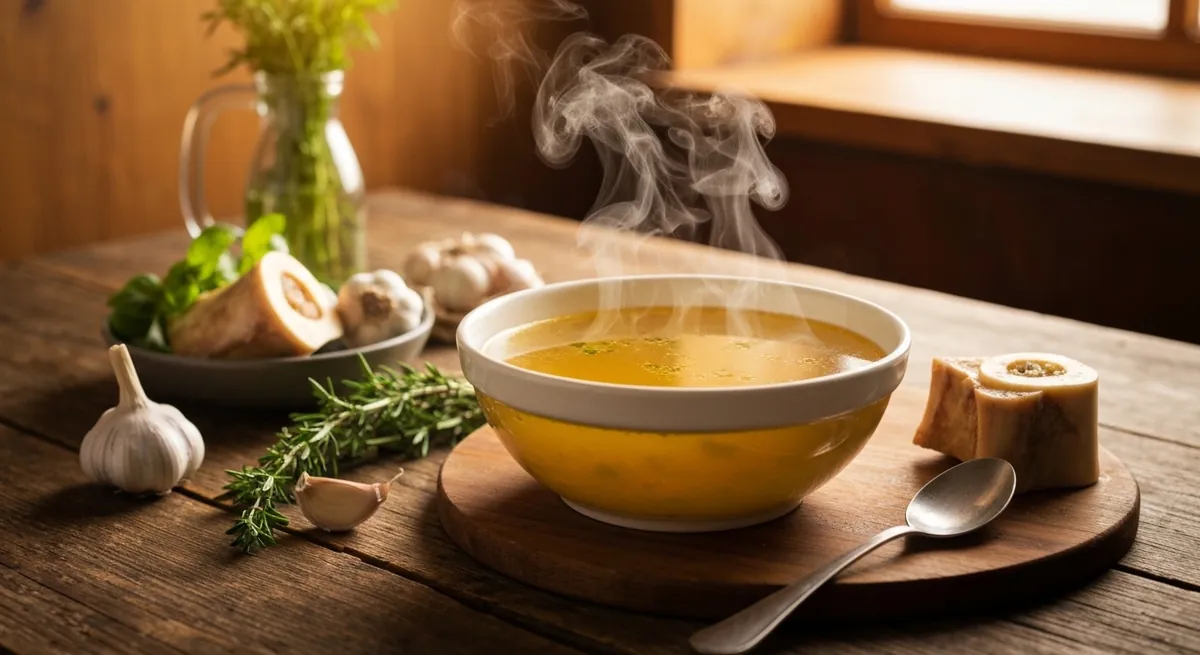
2. Bone Broth and Vegetable Soup
Calories: 250 per bowl | Fiber: 6g | Prep: 20 min (with pre-made broth)
- 4 cups bone broth (homemade or quality store-bought)
- 1 cup carrots, diced
- 1 cup celery, diced
- 1 cup zucchini, diced
- 1 cup spinach
- 2 cloves garlic
- 1 tbsp olive oil
- Fresh herbs (thyme, parsley)
Sauté garlic in olive oil. Add carrots and celery, cook 5 minutes. Add bone broth, simmer 10 minutes. Add zucchini, cook 3 minutes. Stir in spinach until wilted. Season and add fresh herbs.
Gut benefit: Bone broth adds flavor, fluid and some protein, and the vegetables add fiber. Learn more about the bone broth gut health connection.
3. Red Lentil and Turmeric Soup
Calories: 280 per bowl | Fiber: 12g | Prep: 30 min
- 1 cup red lentils
- 1 can diced tomatoes
- 1 onion, diced
- 3 cloves garlic
- 1 tbsp turmeric
- 1 tsp cumin
- 4 cups vegetable broth
- Squeeze of lemon
- 1 tbsp olive oil
Sauté onion and garlic in olive oil. Add spices, stir 30 seconds. Add lentils, tomatoes, and broth. Simmer 20 minutes until lentils dissolve. Finish with lemon.
Gut benefit: Lentils are high in fiber and resistant starch, which feed beneficial gut bacteria. Turmeric adds color and flavor.
4. Kimchi Jjigae (Korean Kimchi Stew)
Calories: 220 per bowl | Fiber: 4g | Prep: 25 min
- 2 cups aged kimchi, chopped
- 200g firm tofu, cubed
- 1/2 onion, sliced
- 2 green onions
- 1 tbsp gochugaru (Korean chili flakes)
- 1 tsp sesame oil
- 3 cups water or anchovy broth
- 1 tsp sugar (optional, balances sourness)
Sauté kimchi in sesame oil for 3 minutes. Add broth and gochugaru. Simmer 15 minutes. Add tofu, cook 5 minutes. Garnish with green onions.
Gut benefit: Kimchi is one of the most probiotic-rich foods in existence. The Lactobacillus bacteria in kimchi survive the cooking process partially, and the fermented compounds (organic acids, vitamins) remain bioactive even in the soup.
5. Chickpea and Spinach Soup
Calories: 300 per bowl | Fiber: 11g | Prep: 25 min
- 2 cans chickpeas, drained
- 4 cups spinach
- 1 onion, diced
- 4 cloves garlic
- 1 can crushed tomatoes
- 1 tsp cumin, 1/2 tsp smoked paprika
- 4 cups broth
- Lemon juice
- 1 tbsp olive oil
Sauté onion and garlic. Add spices, then tomatoes, chickpeas, and broth. Simmer 15 minutes. Add spinach, stir until wilted. Finish with lemon.
Gut benefit: Chickpeas are among the highest-fiber legumes. Their galacto-oligosaccharides are potent prebiotics that specifically feed beneficial Bifidobacteria. The combination of soluble and insoluble fiber supports regular bowel movements.
6. Thai Coconut Lemongrass Soup
Calories: 230 per bowl | Fiber: 3g | Prep: 20 min
- 1 can light coconut milk
- 2 cups chicken or vegetable broth
- 200g chicken breast or shrimp, sliced thin
- 1 stalk lemongrass, smashed
- 3 slices galangal or ginger
- 2 tbsp fish sauce
- 1 tbsp lime juice
- 1 cup mushrooms, sliced
- Thai chilies to taste
- Fresh cilantro
Simmer broth with lemongrass and galangal for 10 minutes. Add coconut milk and mushrooms. Add protein, cook through. Season with fish sauce and lime juice. Garnish with cilantro and chili.
Gut benefit: Coconut milk contains medium-chain triglycerides (MCTs) that are easily absorbed and may support beneficial gut bacteria. Galangal and ginger stimulate digestive enzyme production. The overall light, brothy format is easy on the digestive system.
7. Black Bean and Sweet Potato Chili Soup
Calories: 320 per bowl | Fiber: 14g | Prep: 35 min
- 2 cans black beans
- 1 large sweet potato, diced
- 1 can fire-roasted tomatoes
- 1 onion, diced
- 1 tbsp chili powder, 1 tsp cumin
- 1/2 tsp cinnamon
- 4 cups broth
Sauté onion. Add spices, then everything else. Simmer 25 minutes until sweet potato is tender. Partially mash for thickness.
Gut benefit: 14g of fiber per bowl is nearly half the daily recommendation. Black beans’ resistant starch and sweet potato’s soluble fiber create a prebiotic feast for gut bacteria. The cinnamon adds anti-inflammatory benefits.
8. Japanese-Style Clear Mushroom Soup
Calories: 90 per bowl | Fiber: 2g | Prep: 15 min
- 4 cups dashi or kombu broth
- 200g mixed mushrooms (shiitake, enoki, oyster)
- 1 tbsp soy sauce
- 1 tsp mirin
- Fresh ginger slices
- Tofu (optional)
- Green onions
Bring dashi to a simmer with ginger. Add mushrooms, cook 5 minutes. Season with soy sauce and mirin. Garnish with green onions.
Gut benefit: Mushrooms contain beta-glucans that feed beneficial gut bacteria and support immune function. Shiitake specifically promotes the growth of beneficial Lactobacillus species. At 90 calories, this is the lightest soup on the list — perfect as a starter course.
9. Roasted Cauliflower and Garlic Soup
Calories: 200 per bowl | Fiber: 5g | Prep: 40 min
- 1 large cauliflower, cut into florets
- 1 head garlic, top cut off
- 1 onion, quartered
- 3 cups broth
- 1/2 cup milk (any type)
- 2 tbsp olive oil
- Salt, pepper, nutmeg pinch
Toss cauliflower, garlic, and onion with olive oil. Roast at 200°C for 25 minutes. Squeeze roasted garlic from skins. Blend everything with broth and milk until smooth.
Gut benefit: Cauliflower and garlic both add fiber, and garlic contains fructo-oligosaccharides, a type of prebiotic fiber. Roasting brings out a deeper flavor.
10. Sauerkraut and Potato Soup (Kapustnyak)
Calories: 260 per bowl | Fiber: 6g | Prep: 35 min
- 1 cup sauerkraut
- 2 medium potatoes, diced
- 1 carrot, diced
- 1 onion, diced
- 4 cups broth
- 1 tbsp butter
- Fresh dill
- Sour cream for serving
Sauté onion and carrot in butter. Add potatoes and broth, simmer 15 minutes. Add sauerkraut with its juice, simmer 10 more minutes. Serve with fresh dill and a dollop of sour cream.
Gut benefit: Sauerkraut is a probiotic powerhouse — one serving can contain billions of beneficial bacteria. Using it in soup (added at the end, not heavily cooked) preserves many of these probiotics while the warmth makes them more comfortable to consume in cold weather.
Soup Tips for Maximum Benefit
Don’t overcook vegetables. Slightly firm vegetables retain more fiber and nutrients. Add delicate vegetables (spinach, herbs) at the very end.
Batch cook on Sundays. Most soups freeze beautifully. Make a double batch and freeze in portions for the week. This pairs perfectly with your weekly meal prep.
Try soup as a starter. In the Penn State study above, starting lunch with a low-calorie soup meant people ate fewer calories at that meal overall (Flood and Rolls, 2007).
Add fermented toppings. A spoonful of kimchi, sauerkraut, or miso on top of any soup adds probiotic benefits without changing the recipe.
Use homemade broth when you can, so you control the salt, and it uses up scraps. Keep a bag of vegetable scraps and bones in the freezer, then simmer them into broth once a week.
Soup turns up in almost every food culture, and it’s an easy way to fit more vegetables, legumes and fermented foods into a cold-weather week.