Bone Broth for Skin Elasticity: Does Collagen Work?
Does drinking bone broth actually improve skin elasticity? The science of dietary collagen, what survives digestion, and the K-beauty serums that do the work topically.

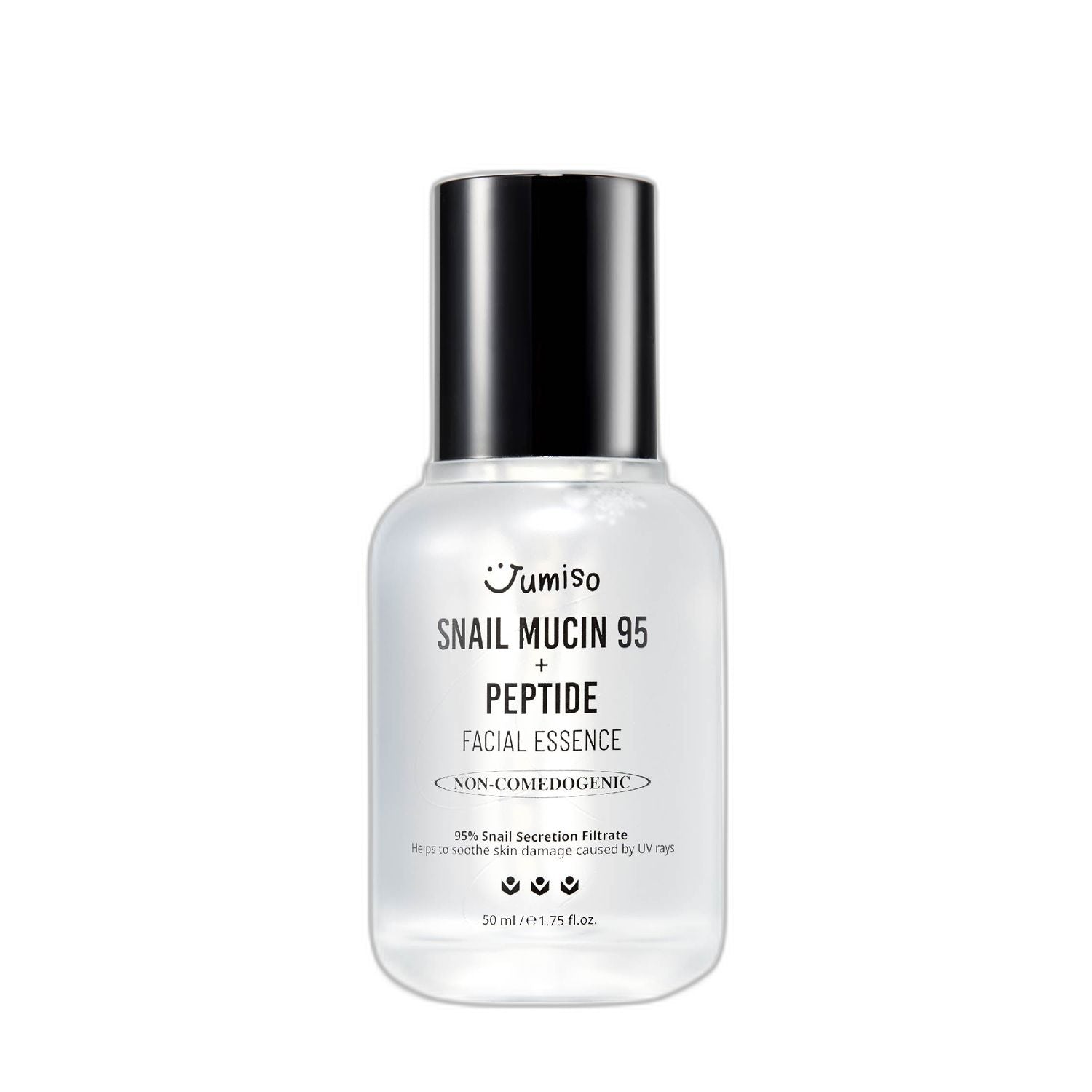
Product photo: Jumiso Snail Mucin 95% + Peptide Essence 140ml. Source image.
Bone Broth for Skin Elasticity: Does Collagen Work?
The quest for youthful, radiant skin often leads us down fascinating paths, from multi-step skincare routines to cutting-edge cosmetic procedures. Lately, however, a more ancient remedy has resurfaced in the wellness world: bone broth. Heralded by many as a “liquid gold” for everything from gut health to joint pain, bone broth has particularly captured the attention of those hoping to boost their skin’s elasticity and achieve that coveted “glow.” The allure is strong: a savory, comforting drink that promises to deliver the very building blocks of youthful skin – collagen – directly to your cells.
But does it really work? Or is bone broth simply a nutritious food being oversold for its beauty benefits? At Rooted Glow, we believe in sifting through the hype to bring you evidence-based insights. So, grab your mug (preferably of bone broth, for research purposes), and let’s delve into the science behind bone broth, collagen, and your skin’s elasticity.
What Bone Broth Actually Contains
Before we discuss its potential effects, let’s understand what you’re actually consuming when you sip on a cup of bone broth. Bone broth is essentially a flavorful stock made by simmering animal bones and connective tissues for an extended period, often 12-24 hours. This slow cooking process extracts a variety of compounds from the bones, making them more bioavailable.
The stars of the show, from a skin perspective, are undoubtedly collagen and its derivatives:
- Collagen: This is the most abundant protein in your body, forming the structural scaffolding of your skin, bones, tendons, ligaments, and cartilage. When you cook bones, the collagen within them breaks down.
- Gelatin: This is essentially cooked, denatured collagen. It’s what gives bone broth its characteristic jiggly texture when chilled. Gelatin is rich in specific amino acids that are crucial for collagen synthesis in your body.
- Amino Acids: Gelatin, and therefore bone broth, is particularly rich in certain amino acids that are vital for collagen formation:
- Glycine: Makes up about one-third of collagen’s amino acid profile. It’s crucial for protein synthesis and has roles in detoxification and antioxidant defense.
- Proline: Another major component of collagen, essential for its structural integrity.
- Hydroxyproline: A modified amino acid almost exclusively found in collagen. Its presence is a strong indicator of collagen-derived compounds. It plays a key role in stabilizing the collagen triple helix structure.
- Minerals: Bone broth also contains a range of minerals, though their concentration can vary significantly depending on the bones used, cooking time, and acidity (often vinegar is added to help extract minerals). You might find calcium, magnesium, phosphorus, and potassium, among others. While these minerals are essential for overall health, their contribution to skin elasticity from bone broth alone is likely minimal compared to a balanced diet.
- Other Components: You might also find trace amounts of hyaluronic acid and chondroitin sulfate, compounds naturally found in connective tissues and joints, which are sometimes touted for their hydrating and joint-supporting properties. However, the amounts present in bone broth are generally quite low.
In essence, bone broth is a nutrient-dense food, particularly rich in proteins and amino acids derived from collagen. But the critical question remains: what happens to these components once you consume them?
What Happens to Dietary Collagen When You Eat It?
This is where understanding basic human digestion becomes crucial, and it’s often the point where the “drink collagen, get collagen” narrative begins to unravel. When you consume bone broth, your body doesn’t simply absorb intact collagen molecules and transport them directly to your skin to patch up wrinkles. That’s just not how protein digestion works.
Here’s the breakdown:
- Stomach Acid’s Role: As soon as bone broth (or any protein-rich food) hits your stomach, highly acidic gastric juices go to work. This acidic environment helps to denature proteins further, breaking down the complex structures of gelatin.
- Enzymatic Breakdown: Next, digestive enzymes called proteases (like pepsin in the stomach and trypsin/chymotrypsin in the small intestine) get involved. These enzymes act like molecular scissors, cleaving the long chains of gelatin into progressively smaller fragments.
- Peptides and Amino Acids: The goal of this extensive digestive process is to break down proteins into their most basic building blocks: individual amino acids and very small peptides (typically di-peptides and tri-peptides, meaning two or three amino acids linked together). These are the only forms that can be efficiently absorbed through the intestinal wall into your bloodstream.
- No “Whole Collagen” Absorption: Your body does not absorb whole collagen proteins. If it did, it would trigger an immune response, as your body would recognize them as foreign invaders.
- The Amino Acid Pool: Once absorbed, these amino acids and small peptides enter your body’s general amino acid pool. Think of this as a circulating reserve of building blocks. Your body then draws from this pool to synthesize all the proteins it needs – not just collagen for your skin, but also muscle tissue, enzymes, hormones, antibodies, and more.
- Body’s Priorities: Your body is incredibly intelligent and prioritizes where these amino acids are used based on immediate needs. If you have muscle repair to do, or enzymes to synthesize, those needs will likely take precedence over sending amino acids directly to your skin for cosmetic purposes.
- Hydroxyproline as a Marker: While you don’t absorb whole collagen, studies do show that consuming collagen-rich foods or supplements leads to detectable levels of specific peptides, particularly those containing hydroxyproline, in your bloodstream. This indicates that collagen-derived peptides are absorbed. However, their presence in the blood doesn’t automatically mean they are directly incorporated into skin collagen; they might act as signaling molecules (more on this below) or simply be used as general building blocks.
In short, when you drink bone broth, you’re primarily providing your body with a rich source of amino acids and small peptides. Your body then decides how and where to use these building blocks, which may include synthesizing new collagen for your skin, but it’s not a direct, guaranteed process.
The Indirect Mechanism By Which It MAY Support Skin
Given that dietary collagen is broken down, how could bone broth potentially support skin elasticity? The proposed mechanisms are indirect and generally fall into two categories:
-
Providing the Building Blocks for Endogenous Collagen Synthesis:
- This is the most straightforward and scientifically plausible mechanism. Your body constantly synthesizes new collagen to repair and maintain tissues. To do this, it requires a steady supply of specific amino acids, particularly glycine, proline, and hydroxyproline.
- Bone broth is a rich source of these very amino acids. By consuming bone broth, you are essentially providing your body with an abundant supply of the raw materials it needs to construct its own collagen.
- Think of it like this: if you want to build a brick wall, you need bricks. Bone broth provides a lot of “bricks” (amino acids) that your body can then use to build its “collagen wall.” It doesn’t mean the bricks from the bone broth become your wall directly, but they are available for your body’s masons (fibroblasts) to use.
- However, it’s important to remember that these amino acids are also found in other protein sources (meat, dairy, legumes). While bone broth offers a unique profile, a generally protein-rich diet also supplies these building blocks.
-
Supporting Gut Barrier Integrity (The “Gut-Skin Axis”):
- This mechanism is more speculative when it comes to direct effects on skin elasticity, but it’s a popular theory in holistic health circles.
- Gut Permeability (Leaky Gut): Some proponents suggest that the gelatin and amino acids (especially glycine and glutamine, which is often present in broth) in bone broth can help strengthen the intestinal lining. A compromised gut barrier, sometimes referred to as “leaky gut,” is hypothesized to allow undigested food particles and toxins to enter the bloodstream, potentially triggering systemic inflammation.
- Inflammation and Skin: Chronic inflammation is known to degrade collagen and elastin fibers, accelerating skin aging and contributing to issues like acne, rosacea, and reduced elasticity.
- Indirect Benefit: If bone broth does improve gut barrier function and reduce systemic inflammation, it could theoretically have an indirect, positive effect on skin health and potentially help preserve existing collagen, thus indirectly supporting elasticity.
- Caveat: While the “gut-skin axis” is an active area of research, and a healthy gut is undeniably important for overall health, direct, robust evidence specifically linking bone broth consumption, gut barrier improvement, and measurable increases in skin elasticity is currently limited.
So, while bone broth won’t directly infuse your skin with collagen, it provides the raw materials your body needs to make its own, and might indirectly support skin health through gut health.
Honest Assessment of the Evidence
This is where we cut through the anecdotal claims and look at what the scientific literature actually says.
Studies on Hydrolyzed Collagen Peptides (HCPs):
It’s crucial to distinguish between bone broth and concentrated collagen peptide supplements. Most of the positive research regarding collagen and skin health has been conducted on hydrolyzed collagen peptides (HCPs), also known as collagen hydrolysate. These supplements are processed to break down collagen into specific, smaller peptides that are more easily absorbed and are believed to have a higher bioavailability than the gelatin in bone broth.
- Modest Skin Benefits: Numerous randomized, placebo-controlled human studies have shown that daily oral supplementation with HCPs can lead to modest improvements in several skin parameters:
- Skin Hydration: Some studies report increased skin moisture levels.
- Skin Elasticity: Several studies indicate improved skin elasticity, often measured by devices like a cutometer.
- Wrinkle Depth: A reduction in the appearance of fine lines and wrinkles has also been observed.
- Typical Dosages: The effective dosages used in these studies typically range from 2.5 grams to 10 grams per day.
- Proposed Mechanism for HCPs: Beyond just providing amino acids, it’s hypothesized that specific collagen peptides, once absorbed, can act as signaling molecules. They might reach the fibroblasts (the cells in your skin responsible for producing collagen and elastin) and stimulate them to increase their own production of collagen, elastin, and hyaluronic acid.
- Limitations: While promising, it’s important to note some caveats:
- Many studies are industry-funded, which can introduce bias.
- Sample sizes are often small, and study durations are relatively short (typically 8-12 weeks).
- The observed benefits are generally modest, not dramatic transformations.
Bone Broth vs. HCP Supplements: A Key Distinction
This is the most critical point for our discussion:
- Dilution and Variability: Bone broth is a food, not a standardized supplement. The amount of collagen (gelatin) you get in a serving of bone broth can vary wildly. Factors like the type of bones used, the amount of connective tissue, cooking time, and even the water-to-bone ratio all influence the final collagen concentration. You might get anywhere from 1-3 grams of gelatin per cup, but it’s difficult to know for sure, and this is significantly less concentrated than a typical 10-gram serving of an HCP supplement.
- Lack of Direct Studies: Crucially, there are very few (if any credible, independent) human studies specifically investigating the effects of bone broth consumption on skin elasticity in the same rigorous way that HCPs have been studied. Most claims for bone broth rely on extrapolation from HCP research or anecdotal evidence.
- The “Placebo Effect” and Lifestyle: People who regularly consume bone broth often lead generally health-conscious lifestyles, incorporating other beneficial habits like a balanced diet, regular exercise, and good sleep. It’s difficult to isolate the effect of bone broth alone from these confounding factors.
- Conclusion: While bone broth is undoubtedly a nutritious food and provides amino acids that are building blocks for collagen, it is unlikely to deliver the same targeted, measurable benefits for skin elasticity as a concentrated, hydrolyzed collagen peptide supplement. The evidence simply isn’t there. Think of it as providing a general nutritional boost, rather than a specific therapeutic intervention for your skin.
A Real Bone Broth Recipe: The Rooted Glow Standard
Even if it’s not a magic bullet for skin elasticity, bone broth is a nourishing and delicious addition to your diet. Here’s a simple, effective recipe:
Ingredients:
- 2-3 lbs mixed beef bones (knuckles, marrow bones, oxtail, feet – the more joints/cartilage, the better for gelatin!)
- 1 tbsp apple cider vinegar (helps extract minerals)
- 1 large onion, roughly chopped
- 2 carrots, roughly chopped
- 2 celery stalks, roughly chopped
- 2-3 cloves garlic, smashed
- 1 bay leaf
- 1 tsp whole black peppercorns
- Cold filtered water to cover
- Salt to taste (add at the end)
Instructions:
- Roast Bones (Optional but Recommended): For deeper flavor, preheat your oven to 400°F (200°C). Spread the bones on a baking sheet and roast for 20-30 minutes until lightly browned. This step significantly enhances the broth’s flavor profile.
- Combine Ingredients: Place the roasted bones (if using) or raw bones into a large stock pot (at least 8-quart capacity) or a slow cooker. Add the apple cider vinegar, onion, carrots, celery, garlic, bay leaf, and peppercorns.
- Add Water: Pour cold filtered water over all the ingredients, ensuring the bones are fully submerged by at least 1-2 inches.
- Simmer:
- Stovetop: Bring the pot to a rolling boil, then immediately reduce the heat to the lowest setting, so it’s just barely simmering (a few small bubbles breaking the surface). Skim off any foam that rises to the top during the first hour. Cover the pot.
- Slow Cooker: Set to low.
- Cook for a Long Time: Simmer for a minimum of 12-24 hours on the stovetop, or 24-48 hours in a slow cooker. The longer the simmer, the more collagen (gelatin) and minerals will be extracted, and the richer the flavor.
- Strain: Once cooking is complete, remove the large solids with tongs or a slotted spoon. Carefully strain the broth through a fine-mesh sieve (or a sieve lined with cheesecloth) into clean jars or containers.
- Cool and Store: Let the broth cool completely before refrigerating. A layer of fat will solidify on top; you can leave it for extra flavor and preservation, or skim it off. The broth should be gelatinous when cold, indicating a good collagen extraction. It will last 5-7 days in the fridge or several months in the freezer.
- Season: Add salt to taste when reheating individual servings.
Enjoy your nourishing bone broth as a warm drink, a base for soups, or as a cooking liquid!
Complementary Topical K-Beauty Products for Skin Elasticity
While bone broth offers general nutritional support, when it comes to directly addressing skin elasticity, topical skincare products with scientifically proven ingredients are your best bet. K-beauty, in particular, excels in formulations designed to boost collagen, hydrate, and firm the skin.
One of the most effective ingredients for stimulating collagen production and improving elasticity is peptides. Peptides are short chains of amino acids, much smaller than full proteins, that can penetrate the skin’s surface and act as messengers. They signal your skin cells to perform specific functions, such as increasing collagen and elastin synthesis, reducing inflammation, or promoting wound healing.
For a powerful boost to your skin’s elasticity, consider incorporating a peptide-rich serum into your routine. A fantastic option that also delivers intense hydration and repair is:
Jumiso Snail Mucin 95% + Peptide Essence
https://mirai-skin.com/products/jumiso-snail-mucin-95-peptide-essence-140ml
Why this product is a great choice:
- Snail Mucin (95%): Snail secretion filtrate is a K-beauty powerhouse known for its regenerative, hydrating, and healing properties. It contains hyaluronic acid, glycoproteins, proteoglycans, and copper peptides, all of which contribute to skin repair, moisture retention, and improved elasticity.
- Peptides: Beyond the natural peptides in snail mucin, this essence is specifically formulated with additional peptides. These work synergistically to stimulate collagen production, strengthen the skin barrier, and promote a firmer, more resilient complexion.
- Hydration: The high concentration of snail mucin and other humectants ensures deep, lasting hydration, which is fundamental for plump, elastic skin. Well-hydrated skin looks and feels smoother and more supple.
- Soothing and Repairing: Snail mucin also has soothing properties, making it beneficial for calming irritated skin and supporting the skin’s natural healing processes.
By combining the general nutritional support of bone broth with targeted, evidence-based topical treatments like a peptide-rich essence, you’re taking a comprehensive approach to achieving and maintaining optimal skin elasticity.
Related Reading
- Bone Broth Benefits: Why Your Grandmother Was Right
- Bone Broth for Gut Health: The Collagen Connection
- Collagen Peptides vs Bone Broth Compared
FAQ: Bone Broth & Skin Elasticity
Q1: How much bone broth do I need to drink for skin benefits? A: There’s no scientific consensus on a specific amount of bone broth needed for skin benefits. Due to its variable collagen content and the way your body processes it, the direct impact on skin elasticity from bone broth alone is largely unproven. Collagen peptide supplements, which are concentrated and standardized, are typically consumed at 2.5-10g per day in studies showing modest benefits.
Q2: Can bone broth replace collagen supplements for skin elasticity? A: Unlikely. Bone broth is a food, and its collagen content (as gelatin) is far less concentrated and standardized than hydrolyzed collagen peptide supplements. While it provides beneficial amino acids, it’s not a direct substitute for the targeted, higher doses used in studies showing skin improvements.
Q3: Is vegan collagen effective for skin elasticity? A: “Vegan collagen” isn’t true collagen, as collagen is an animal product. Vegan products typically contain amino acids (like glycine, proline, lysine) derived from plant sources, along with other ingredients (like vitamin C) that are essential for your body to synthesize its own collagen. They work by providing the building blocks and cofactors, rather than providing collagen directly. Evidence for their direct impact on elasticity is still emerging and less robust than for animal-derived HCPs.
Q4: How long does it take to see results from collagen for skin elasticity? A: For hydrolyzed collagen peptide supplements, studies typically report modest improvements in skin hydration and elasticity after 8-12 weeks of consistent daily use. For bone broth, due to the lack of specific research, it’s impossible to say, and any effects would likely be subtle and indirect over a longer period.
Q5: Are there any side effects of drinking bone broth? A: Bone broth is generally safe for most people. Potential concerns, though rare, include histamine intolerance (for those sensitive to histamines, as long cooking can increase levels) or, theoretically, heavy metals if bones from unhealthy animals are used. Always source bones from reputable, pasture-raised animals.
Q6: Does bone broth contain hyaluronic acid and chondroitin? A: Yes, bone broth can contain small amounts of hyaluronic acid and chondroitin sulfate, as these are naturally found in connective tissues. However, the quantities are generally very low and unlikely to provide significant therapeutic benefits for skin or joints compared to concentrated supplements of these compounds.
Q7: Should I drink bone broth hot or cold for best results? A: The temperature at which you consume bone broth doesn’t affect its nutritional content or potential benefits. Drink it hot as a comforting beverage, or use it cold as a base for recipes – the efficacy remains the same.
Q8: What’s the difference between collagen, gelatin, and bone broth? A: Collagen is the primary structural protein found in animal connective tissues. Gelatin is the cooked form of collagen; when collagen-rich tissues are simmered, the collagen breaks down into gelatin, which gives broth its jiggly texture when cooled. Bone broth is the liquid made by simmering bones and connective tissues, containing gelatin, amino acids, minerals, and other compounds extracted during cooking.
The Rooted Glow Conclusion
Bone broth is a wonderfully nutritious food, rich in amino acids, and a comforting addition to a balanced diet. It provides your body with the raw materials needed for countless bodily functions, including the synthesis of its own collagen. However, it’s important to approach its “skin elasticity miracle” claims with a healthy dose of skepticism.
While hydrolyzed collagen peptide supplements have shown modest, evidence-backed benefits for skin hydration and elasticity, bone broth is a much more dilute and variable source. There’s currently no strong scientific evidence to suggest that consuming bone broth directly leads to measurable improvements in skin elasticity in the same way that concentrated supplements might, or that targeted topical treatments can.
For truly impactful results on skin elasticity, focus on a holistic approach: a nutrient-dense diet (including diverse protein sources), adequate hydration, sun protection, a consistent skincare routine featuring proven ingredients like peptides, and a healthy lifestyle. Bone broth can certainly be a delicious and beneficial part of that diet, but it’s best viewed as a nourishing food rather than a magic potion for youthful skin.