Gut-Skin Axis: Fermented Foods for Clear Skin 2026
The gut-skin axis is the most under-rated skincare lever. The 7 fermented foods worth eating daily, the research on probiotics for acne and eczema, and the K-beauty essences that work alongside them.

Product photo: PURITO Fermented Complex 94 Boosting Essence 150ml. Source image.
Gut-Skin Axis: Fermented Foods for Clear Skin 2026
In the ever-evolving landscape of health and beauty, the year 2026 solidifies a truth that wellness pioneers have championed for decades: true radiance begins within. The secret to a glowing complexion isn’t just in the serums we apply or the treatments we undergo, but profoundly rooted in the intricate ecosystem residing within our gut. Welcome to the era of the gut-skin axis, where the vibrant life of your microbiome holds the key to unlocking unparalleled skin clarity.
At rooted-glow.com, we believe in holistic beauty – a synergy of nature, science, and mindful living. Today, we’re diving deep into the fascinating world where your gut health directly dictates the luminosity of your skin, and how the ancient wisdom of fermented foods can be your most powerful ally in achieving a truly clear, radiant complexion.
The Gut-Skin Axis: A Two-Way Street to Radiance
Imagine your body as a complex, interconnected city, where the gut is a bustling central hub, and the skin, a prominent neighborhood reflecting the city’s overall health. The gut-skin axis is the sophisticated communication network that links these two vital organs, constantly exchanging signals that influence everything from inflammation to nutrient absorption.
This intricate dialogue unfolds through several critical pathways:
-
Vagal Communication: The vagus nerve, often dubbed the “superhighway” of the body, is the longest cranial nerve, directly connecting the brain to the gut. This brain-gut connection is crucial, but it extends further, impacting skin health. Stress, for instance, can trigger changes in gut microbiota via this pathway, leading to increased inflammation that manifests on the skin. Conversely, a healthy gut can send calming signals, promoting overall well-being and reducing skin reactivity.
-
Short-Chain Fatty Acids (SCFAs): These unsung heroes are metabolic byproducts primarily produced when beneficial gut bacteria ferment dietary fiber. Butyrate, propionate, and acetate are the most well-known SCFAs, and their influence extends far beyond the gut. They strengthen the gut barrier, reduce inflammation, and even regulate immune responses systemically. When these SCFAs are abundant, they signal calm throughout the body, helping to soothe inflammatory skin conditions. Butyrate, in particular, is a potent anti-inflammatory agent that can directly impact skin cell proliferation and differentiation, contributing to a healthier skin barrier.
-
Immune Modulation: A staggering 70-80% of your immune cells reside in your gut. This makes the gut a primary regulator of your body’s immune system. A balanced gut microbiome trains your immune system to distinguish between harmful invaders and beneficial commensals, preventing overreactions. When the gut microbiome is imbalanced (dysbiosis), the immune system can become hyperactive, leading to chronic low-grade systemic inflammation. This inflammation doesn’t just stay in the gut; it circulates throughout the body, often finding its way to the skin.
-
Leaky Gut to Systemic Inflammation to Skin Issues: One of the most critical aspects of the gut-skin axis involves the integrity of your gut lining. Under normal circumstances, the gut lining acts as a highly selective barrier, allowing nutrients to pass into the bloodstream while blocking harmful toxins, undigested food particles, and pathogens. However, factors like stress, poor diet, certain medications, and imbalances in gut bacteria can compromise this barrier, leading to increased intestinal permeability, commonly known as “leaky gut.”
When the gut becomes “leaky,” these undesirable substances can seep into the bloodstream, triggering an immune response and widespread systemic inflammation. This chronic, low-grade inflammation is a known precursor and aggravator for a host of skin conditions. It can exacerbate acne by increasing sebum production and bacterial proliferation, worsen rosacea by dilating blood vessels and promoting inflammatory papules, and fuel eczema by compromising the skin barrier and intensifying allergic reactions. Addressing leaky gut is therefore a foundational step in achieving clear, healthy skin.
The Research: Gut Dysbiosis and Skin Conditions
The connection between gut health and skin conditions is no longer anecdotal; it’s backed by a growing body of scientific research.
-
Acne: Studies have consistently linked gut dysbiosis to the severity of acne. An imbalanced gut microbiome can lead to increased systemic inflammation, which in turn elevates insulin-like growth factor 1 (IGF-1) levels. High IGF-1 stimulates sebaceous glands to produce more oil and contributes to the proliferation of Cutibacterium acnes (formerly Propionibacterium acnes), the bacteria implicated in acne breakouts. Furthermore, the gut’s ability to detoxify hormones and other inflammatory compounds directly impacts the skin’s clarity. A compromised gut means these substances are not efficiently cleared, leading to their excretion through the skin, potentially exacerbating breakouts.
-
Rosacea: This chronic inflammatory skin condition, characterized by facial redness, flushing, and bumps, often has a significant gut component. Research has shown a higher prevalence of small intestinal bacterial overgrowth (SIBO) and Helicobacter pylori infection in individuals with rosacea. Eradicating H. pylori or treating SIBO has, in many cases, led to significant improvement or even remission of rosacea symptoms, underscoring the direct link between gut microbial balance and skin inflammation.
-
Eczema (Atopic Dermatitis): Eczema is an inflammatory skin condition often associated with a compromised skin barrier and an overactive immune response. Emerging research highlights a strong correlation between gut dysbiosis in infancy and the development of eczema later in life. Infants with a less diverse gut microbiome or an abundance of certain bacterial species (e.g., Clostridium difficile) are at a higher risk. The gut’s role in immune training is critical here; a healthy gut microbiome can prevent the immune system from developing hypersensitivity reactions that trigger eczema flares. Furthermore, SCFAs produced in the gut can influence the maturation of immune cells, reducing allergic tendencies and strengthening both the gut and skin barriers.
These findings collectively point to a powerful conclusion: nurturing your gut microbiome is not just about digestive health; it’s a fundamental strategy for achieving and maintaining clear, resilient skin.
7 Fermented Foods Worth Daily for Your Gut-Skin Axis
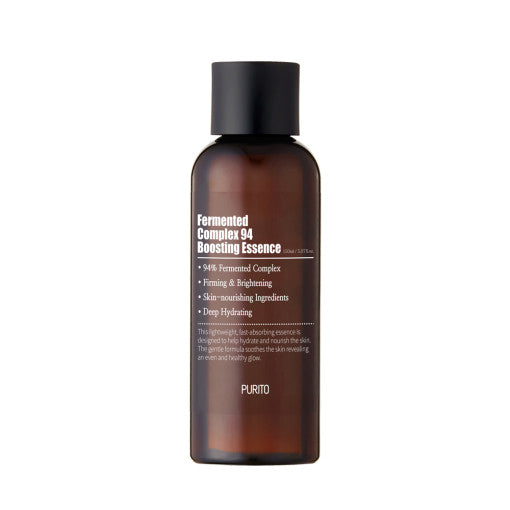
Integrating fermented foods into your daily diet is a delicious and effective way to cultivate a thriving gut microbiome. These living foods are teeming with beneficial bacteria, organic acids, and often, a wealth of vitamins and minerals that directly support skin health.
Here are 7 fermented foods you should consider making a daily staple in your pursuit of clear skin in 2026:
-
Kimchi: This spicy Korean staple is a powerhouse of probiotics, prebiotics (from cabbage and other vegetables), and antioxidants. Kimchi is typically made from fermented napa cabbage, radish, garlic, ginger, and chili flakes. It’s rich in Lactobacillus species, which are known to improve gut barrier function and reduce inflammation. The diverse array of vegetables provides fiber to feed your beneficial gut bacteria, while the fermentation process enhances the bioavailability of vitamins A, C, and K, along with various B vitamins – all essential for skin health. Its capsaicin content, while spicy, also boasts anti-inflammatory properties.
- Ready to make your own? Check out our comprehensive guide on [/how-to-make-fermented-kimchi-at-home/].
-
Sauerkraut: A traditional German fermented cabbage dish, sauerkraut is a simpler cousin to kimchi but equally potent. Made by lacto-fermentation of shredded cabbage, it’s an excellent source of Lactobacillus plantarum and other beneficial bacteria. Beyond probiotics, sauerkraut is rich in vitamin C (a crucial antioxidant for collagen production) and vitamin K. Its organic acids aid digestion and nutrient absorption, while its high fiber content acts as a prebiotic, feeding the good bacteria in your gut. Regular consumption can reduce systemic inflammation, which translates to a calmer, clearer complexion.
-
Kefir: A fermented milk drink with a consistency similar to drinkable yogurt, kefir is a potent source of a wide range of beneficial bacteria and yeasts, making its microbial diversity often superior to yogurt. It’s made by fermenting milk (dairy or non-dairy like coconut or almond) with kefir grains, which are symbiotic cultures of bacteria and yeasts. Kefir is rich in calcium, phosphorus, magnesium, and B vitamins, all vital for overall health and skin repair. The unique strains in kefir can modulate the immune system, reduce inflammation, and even inhibit the growth of harmful bacteria, fostering a balanced gut environment that reflects positively on the skin.
-
Miso: This traditional Japanese seasoning is a fermented paste made from soybeans, koji (a fungus), salt, and sometimes rice or barley. Miso is a treasure trove of probiotics, particularly Aspergillus oryzae (the koji mold), and various Lactobacillus and Bifidobacterium species. It’s also packed with essential amino acids, B vitamins, vitamin K, and antioxidants. The fermentation process breaks down complex soy proteins, making them easier to digest and absorb. Miso’s components can support gut integrity, reduce inflammation, and offer protective effects against oxidative stress, contributing to a more resilient and youthful skin appearance.
-
Natto: A unique Japanese superfood made from fermented soybeans, natto is renowned for its sticky texture and pungent aroma. While an acquired taste, its health benefits are immense, especially for skin. Natto is fermented with Bacillus subtilis natto, which produces nattokinase, a powerful enzyme with blood-thinning properties that can improve circulation, benefiting nutrient delivery to the skin. It’s also one of the richest dietary sources of vitamin K2, which plays a crucial role in calcium metabolism, bone health, and has been linked to skin elasticity and preventing premature aging. Furthermore, natto contains pyrroloquinoline quinone (PQQ), a potent antioxidant that supports mitochondrial function, vital for healthy cell turnover and skin vitality.
-
Yogurt: A widely accessible fermented food, yogurt (especially plain, unsweetened varieties with live and active cultures) is an excellent source of probiotics, primarily Lactobacillus bulgaricus and Streptococcus thermophilus. Beyond these, many yogurts are fortified with additional beneficial strains like Lactobacillus acidophilus and Bifidobacterium. Yogurt provides protein, calcium, and B vitamins, supporting skin cell regeneration and barrier function. Opt for full-fat, organic, and unsweetened varieties to maximize benefits and avoid added sugars that can fuel inflammation. For those avoiding dairy, many plant-based yogurts now offer comparable probiotic benefits.
-
Kombucha: This effervescent, slightly tart fermented tea drink is made by fermenting sweetened tea with a SCOBY (Symbiotic Culture of Bacteria and Yeast). Kombucha contains a diverse array of organic acids (like acetic, gluconic, and lactic acid), B vitamins, and antioxidants. While its probiotic count can vary, the organic acids in kombucha are particularly beneficial for gut health, aiding digestion and potentially inhibiting the growth of pathogenic bacteria. The antioxidants help combat free radical damage, which is crucial for preventing premature skin aging and maintaining a healthy glow. Choose low-sugar, naturally flavored varieties to reap the most benefits.
How Much Is Enough? Consistency is Key
When it comes to fermented foods, a little goes a long way, and consistency is paramount. Aim for 1-2 servings of diverse fermented foods per day.
- What’s a serving?
- Kimchi/Sauerkraut: ¼ to ½ cup
- Kefir/Yogurt: ½ to 1 cup
- Miso: 1 tablespoon (in a soup)
- Natto: ½ cup
- Kombucha: 4-8 ounces
Start slowly, especially if you’re new to fermented foods. Begin with a small amount (e.g., a tablespoon of sauerkraut or a few ounces of kefir) and gradually increase as your gut adjusts. Your gut microbiome thrives on diversity, so try to incorporate a variety of these foods throughout your week rather than sticking to just one. Remember, the goal is to consistently feed your gut with beneficial bacteria and their nourishing byproducts.
When Probiotic Supplements Help
While fermented foods are an excellent foundational strategy, there are specific instances where probiotic supplements can offer targeted support:
-
Post-Antibiotic Use: Antibiotics, while life-saving, indiscriminately wipe out both harmful and beneficial gut bacteria. Taking a high-quality, broad-spectrum probiotic supplement during and after an antibiotic course can help to quickly repopulate the gut with beneficial flora, mitigating common side effects like diarrhea and preventing longer-term dysbiosis that could impact skin.
-
Irritable Bowel Syndrome (IBS) and Other Gut Issues: For individuals struggling with chronic digestive issues like IBS, SIBO, or inflammatory bowel disease (IBD), a targeted probiotic supplement can provide specific strains known to alleviate symptoms. Since these gut conditions are often strongly linked to systemic inflammation and skin manifestations, addressing the root cause with a supplement can have a profound impact on skin clarity. Consult a healthcare professional to identify the most appropriate strains for your specific condition.
-
Specific Strains for Skin Health: Research is increasingly identifying specific probiotic strains that offer direct benefits for skin. For instance, Lactobacillus rhamnosus GG (LGG) has shown promise in reducing the incidence and severity of eczema in infants and children. Bifidobacterium breve has been studied for its potential to reduce skin sensitivity and improve barrier function. If you’re targeting a particular skin concern, a supplement formulated with these specific strains, often in higher concentrations than found in food, might be beneficial. Always choose reputable brands with third-party testing to ensure potency and purity.
K-Beauty Essences that Work Alongside: Topical Support for a Radiant Glow
While internal health is paramount, external care beautifully complements your gut-skin journey. K-beauty, with its emphasis on hydration, barrier repair, and nourishing ingredients, offers the perfect topical allies. Essences, in particular, are lightweight, concentrated treatments designed to deliver a potent dose of active ingredients deep into the skin, preparing it to absorb subsequent products.
As you nurture your gut from within, consider incorporating K-beauty essences rich in ingredients known for their skin-healing and strengthening properties. These work synergistically with your internal efforts, calming inflammation, boosting barrier function, and promoting a radiant complexion.
- Ginseng: A cornerstone of traditional Korean medicine, ginseng is celebrated for its adaptogenic properties. In skincare, it’s a powerful antioxidant, anti-inflammatory, and circulation booster. It helps to revitalize dull skin, improve elasticity, and promote an even tone, making it ideal for skin stressed by internal inflammation.
- Snail Mucin: Rich in hyaluronic acid, glycoproteins, proteoglycans, and copper peptides, snail mucin is a master at hydration, repair, and regeneration. It helps soothe irritated skin, fade hyperpigmentation, and support the skin’s natural healing process.
- Propolis: Known for its antibacterial, anti-inflammatory, and healing properties, propolis is a godsend for breakout-prone or sensitive skin. It calms redness, fights acne-causing bacteria, and accelerates skin recovery.
- Centella Asiatica (Cica): This herb is a powerhouse for soothing and repairing compromised skin. It’s rich in compounds like madecassoside, asiaticoside, and asiatic acid, which reduce inflammation, stimulate collagen production, and strengthen the skin barrier.
- Galactomyces Ferment Filtrate: A byproduct of fermented yeast, this ingredient is celebrated for its ability to brighten skin, reduce hyperpigmentation, and improve skin texture and elasticity. It also helps to balance oil production and strengthen the skin barrier.
One exceptional product that embodies the essence of K-beauty’s holistic approach is the Beauty of Joseon Ginseng Essence Water. This essence is formulated with 80% ginseng root water and a ginseng complex, delivering deep hydration, anti-aging benefits, and a boost to skin vitality. It works to calm and nourish the skin, creating a resilient canvas that reflects your internal wellness. By providing antioxidant protection and improving blood circulation to the skin, it helps amplify the clear, healthy glow you’re cultivating through your gut-healing journey.
FAQ: Your Gut-Skin Axis Questions Answered
1. How long until I see results from incorporating fermented foods? Results vary, but many people notice improvements in digestion and overall well-being within a few weeks. Skin changes can take longer, typically 1-3 months, as it takes time for gut flora to rebalance and for skin cells to regenerate. Consistency is key!
2. Can I overdo fermented foods? Are there any side effects? While generally safe, consuming large amounts too quickly can lead to temporary digestive discomfort like bloating, gas, or mild diarrhea as your gut adjusts. Start with small servings and gradually increase. Listen to your body.
3. Are all fermented foods good for clear skin? Not all fermented foods are created equal for skin health. While sourdough bread is fermented, its primary benefit is usually not probiotic. Alcoholic fermented beverages (like beer/wine) can be inflammatory and counterproductive. Focus on the raw, live-culture rich foods mentioned in this article.
4. What if I’m dairy-free or vegan? Can I still get the benefits? Absolutely! Many fermented foods are naturally dairy-free (kimchi, sauerkraut, miso, natto, kombucha). You can also find excellent non-dairy kefirs (coconut, almond) and yogurts (soy, almond, coconut, oat) with live active cultures.
5. Can kids eat fermented foods? Yes, fermented foods can be beneficial for children’s gut health. Start with very small portions of milder options like plain yogurt, kefir, or a tiny bit of sauerkraut, and observe their reaction. Always consult with a pediatrician if you have concerns.
6. I have a histamine intolerance. Can I still eat fermented foods? This is a tricky one, as many fermented foods are high in histamine. If you have a diagnosed histamine intolerance, you may need to avoid or limit fermented foods and consult with a healthcare professional or registered dietitian for personalized advice.
7. What’s the difference between prebiotics and probiotics? Probiotics are the beneficial live bacteria themselves, found in fermented foods or supplements. Prebiotics are non-digestible fibers that act as “food” for these beneficial bacteria, helping them to grow and thrive in your gut. Many fermented foods, like kimchi and sauerkraut, offer both!
8. Should I take a probiotic supplement if I already eat fermented foods daily? For most healthy individuals, a consistent intake of diverse fermented foods can be sufficient. However, if you have specific health concerns (like post-antibiotic recovery, IBS, or targeted skin issues) or feel your diet isn’t providing enough diversity, a high-quality supplement can offer additional, targeted support.
The journey to clear, radiant skin in 2026 is an inside-out transformation. By understanding and nurturing your gut-skin axis through the power of fermented foods and complementary topical care, you’re not just treating symptoms; you’re cultivating a foundation of holistic wellness that will radiate through every pore. Embrace the wisdom of your microbiome, and watch your skin glow with newfound clarity and health.
SOME BY MI Propolis B5 Glow Barrier Calming Cream