Vitamin C Serum Morning Routine: Korean Layering 2026
The Korean approach to vitamin C is gentler and more layered than the Western 'slap on 20% L-ascorbic and pray' method. The exact morning routine, the buffering layers, and the Korean serums that work for sensitive skin.

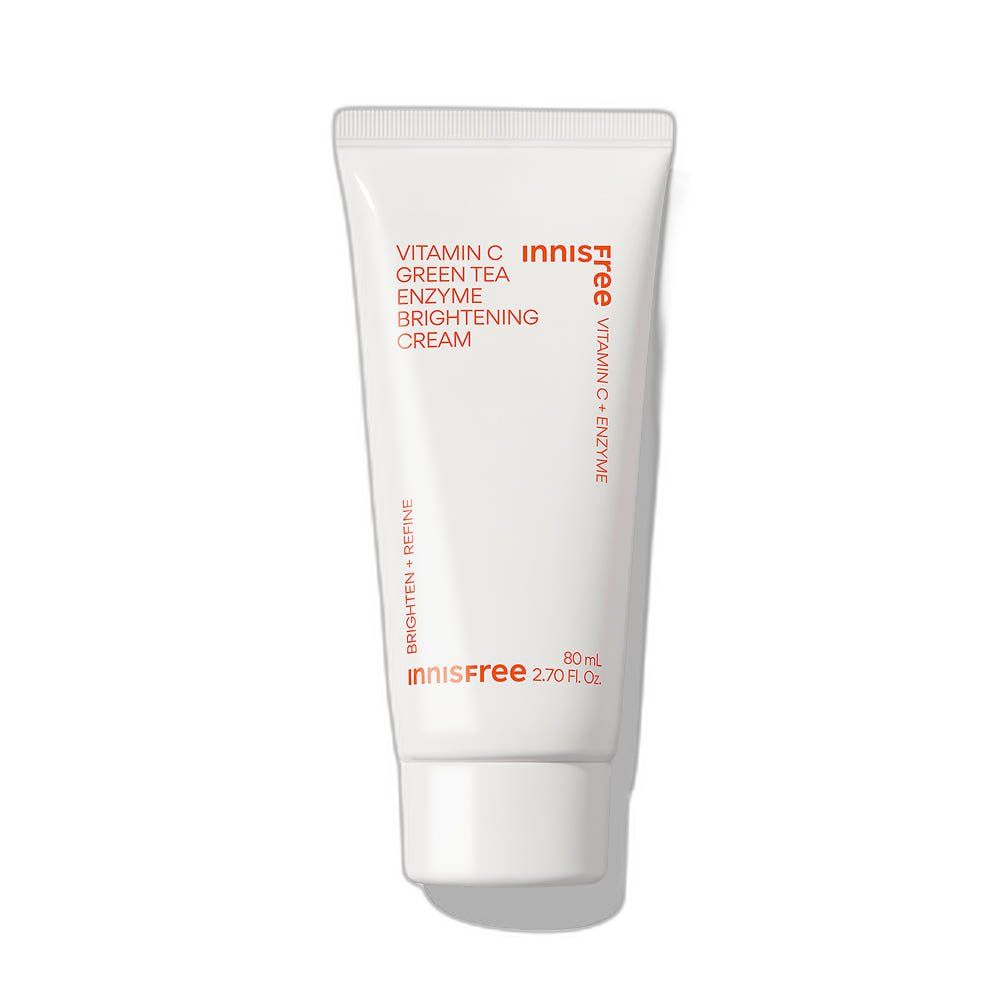
Product photo: innisfree Vitamin C Green Tea Enzyme Brightening Cream 80ml. Source image.
Vitamin C Serum Morning Routine: Korean Layering 2026
The year is 2026, and the world of skincare continues its relentless evolution, but one truth remains: Vitamin C is an undisputed champion in the fight for radiant, youthful skin. Yet, as our understanding deepens, so too does our approach to harnessing its power. Gone are the days of simply slathering on the highest concentration you can find. Today, the cutting edge of Vitamin C application, particularly in the morning, is deeply rooted in the nuanced, synergistic philosophy of Korean skincare.
At rooted-glow.com, we believe in forward-thinking beauty that respects your skin’s natural balance while delivering transformative results. This guide will unravel the distinct advantages of Korean Vitamin C formulations and walk you through a meticulously crafted 6-step morning routine designed to maximize its efficacy, brightness, and protective benefits, all while embracing the art of Korean layering.
Why Korean Vitamin C is Different: A Gentle, Synergistic Revolution
When you think of Vitamin C, often the first image that comes to mind is a potent, sometimes irritating, L-Ascorbic Acid serum. While L-AA remains the gold standard for its direct efficacy, the Korean approach to Vitamin C has pioneered a more sophisticated, gentler, and often more stable path. This differentiation is crucial for understanding why K-beauty Vitamin C has become a game-changer, especially for daily morning use.
1. Lower, Optimized Concentrations (5-15% L-Ascorbic Acid): Unlike some Western brands that push for 20% or even higher concentrations of L-Ascorbic Acid, Korean formulations typically opt for a more balanced approach, often ranging from 5% to 15%. This isn’t about compromising efficacy; it’s about optimizing it. Higher concentrations of L-AA can be unstable, prone to oxidation, and notoriously irritating for sensitive skin types, leading to redness, stinging, and breakouts. Korean skincare recognizes that consistent, gentle application is often more beneficial than aggressive, sporadic use. These moderate concentrations still deliver significant antioxidant protection, collagen stimulation, and brightening effects without overwhelming the skin’s barrier. The philosophy is often “less is more” when it comes to potential irritants, especially when combined with other powerful ingredients.
2. The Power of Derivatives: Enhanced Stability and Delivery: Korean brands are masters at incorporating Vitamin C derivatives, which are often more stable, less irritating, and have a longer shelf life than pure L-Ascorbic Acid. Key derivatives you’ll encounter include:
- 3-O-Ethyl Ascorbic Acid: This is a highly stable and effective derivative that penetrates the skin well. It’s known for its excellent brightening properties, ability to stimulate collagen production, and robust antioxidant activity, often outperforming L-AA in stability.
- Ascorbyl Glucoside: A water-soluble derivative that is slowly converted into L-Ascorbic Acid by enzymes in the skin. This slow-release mechanism makes it exceptionally gentle and suitable for sensitive skin, providing sustained antioxidant protection and brightening without the typical irritation associated with direct L-AA.
By using these derivatives, Korean formulations offer a way to deliver Vitamin C’s benefits without the common drawbacks, making them ideal for daily use, even in the morning.
3. A Symphony of Synergistic Ingredients: The Stability & Efficacy Boosters: Perhaps the most distinctive aspect of Korean Vitamin C products is their holistic formulation. They rarely feature Vitamin C in isolation. Instead, they’re often a carefully curated cocktail of antioxidants and supportive ingredients designed to enhance Vitamin C’s stability, boost its efficacy, and provide comprehensive skin benefits.
- Niacinamide (Vitamin B3): Often found alongside Vitamin C, niacinamide is a powerhouse ingredient that improves skin barrier function, reduces inflammation, minimizes pores, and evens out skin tone. Far from being a conflicting ingredient (a myth we’ll debunk shortly), it works synergistically with Vitamin C to amplify brightening and antioxidant protection.
- Glutathione: A potent antioxidant naturally found in the body, glutathione is a tripeptide that helps to brighten skin, reduce hyperpigmentation, and protect against oxidative stress. When paired with Vitamin C, it creates a formidable defense against environmental damage.
- Ferulic Acid: A plant-based antioxidant that not only provides its own protective benefits but also significantly enhances the stability and efficacy of Vitamin C and Vitamin E. It’s a common partner in high-performing antioxidant serums, extending Vitamin C’s shelf life and boosting its photoprotective capabilities.
- Green Tea Extract: Rich in polyphenols and catechins, green tea is a powerful antioxidant and anti-inflammatory ingredient. It complements Vitamin C by soothing the skin, reducing redness, and providing additional protection against free radicals.
This multi-ingredient approach means Korean Vitamin C products offer more than just brightening; they deliver comprehensive skin health, stability, and a gentle experience that integrates seamlessly into a morning routine.
The 6-Step Morning Routine: Korean Layering for Luminous Skin
Embracing the Korean layering philosophy means applying products in a specific order, from lightest to heaviest, allowing each ingredient to penetrate effectively and prepare the skin for the next step. This routine is designed to maximize the benefits of your Vitamin C serum while ensuring your skin remains hydrated, protected, and radiant throughout the day.
Step 1: Cleanse (The Fresh Start)
A clean canvas is paramount. In the morning, your skin doesn’t typically require a harsh cleanse. Focus on removing overnight impurities, excess oil, and any lingering nighttime product residue without stripping your skin of its natural moisture.
- Why it’s important: Cleansing preps your skin, allowing subsequent products, especially your Vitamin C serum, to absorb more efficiently and work unimpeded.
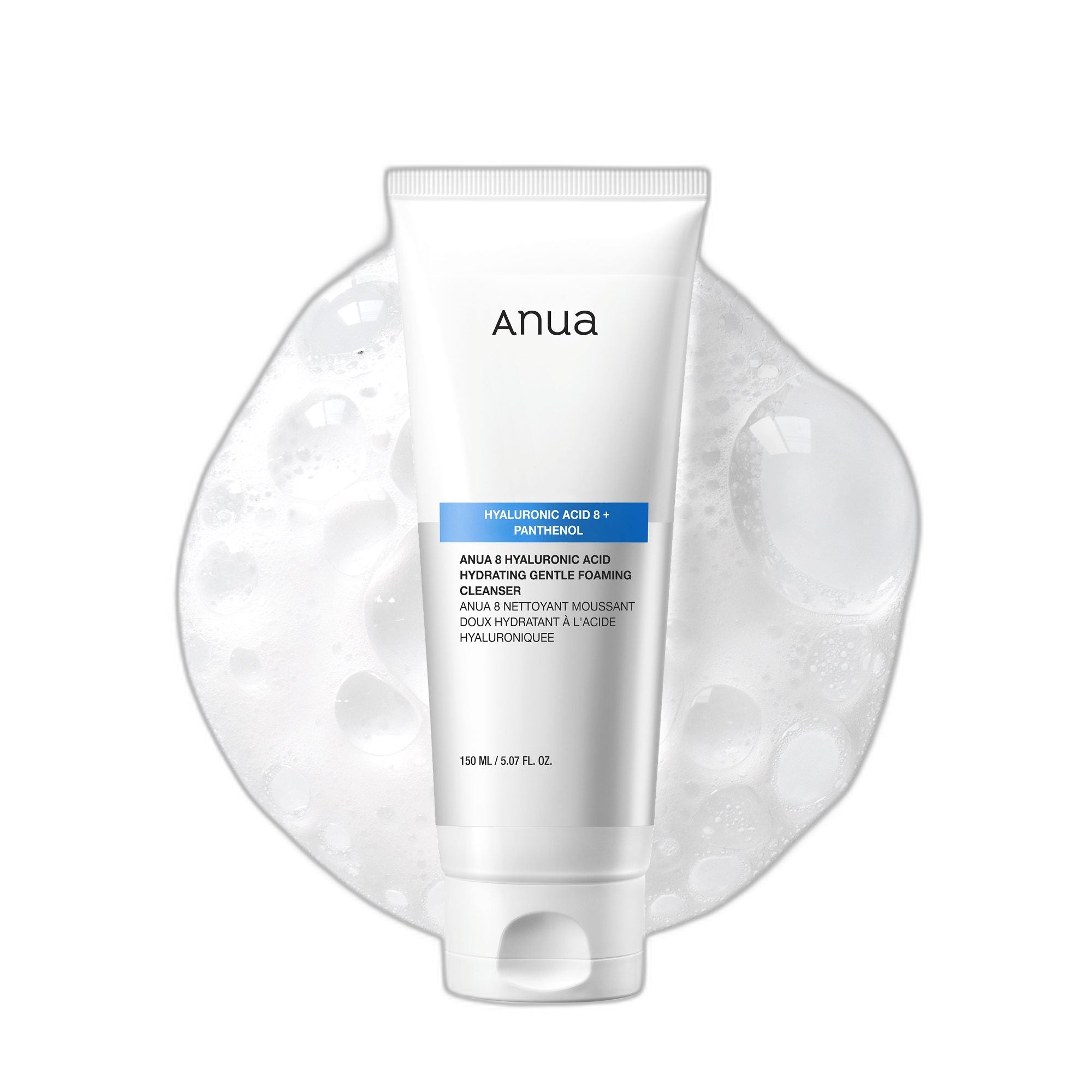
- How to do it: Opt for a gentle, low-pH cleanser. If your skin is dry or sensitive, a milky or gel cleanser is ideal. If you have oily or combination skin, a gentle foaming cleanser works well. Massage it onto damp skin for 30-60 seconds, then rinse thoroughly with lukewarm water. Pat your face dry with a clean, soft towel.
- K-beauty Tip: Consider a “water cleanse” if your skin is particularly dry or sensitive in the morning, simply rinsing with lukewarm water and gently patting dry.
Step 2: Toner (Balance & Prep)
Toners are no longer the astringent, alcohol-laden products of yesteryear. Modern K-beauty toners are hydrating, balancing, and prepare your skin to better absorb subsequent treatments.
- Why it’s important: A hydrating toner restores your skin’s pH balance after cleansing, adds a crucial layer of moisture, and creates a slightly damp surface that enhances the absorption of your Vitamin C serum.
- How to do it: Dispense a few drops of a hydrating, alcohol-free toner onto your palms or a cotton pad. Gently pat or sweep it across your face and neck. Allow it to absorb for a few seconds until your skin feels slightly damp but not wet.
- K-beauty Tip: Look for toners containing ingredients like hyaluronic acid, green tea extract, ceramides, or centella asiatica for added hydration and soothing benefits.
Step 3: Vitamin C Serum (The Brightening Powerhouse)
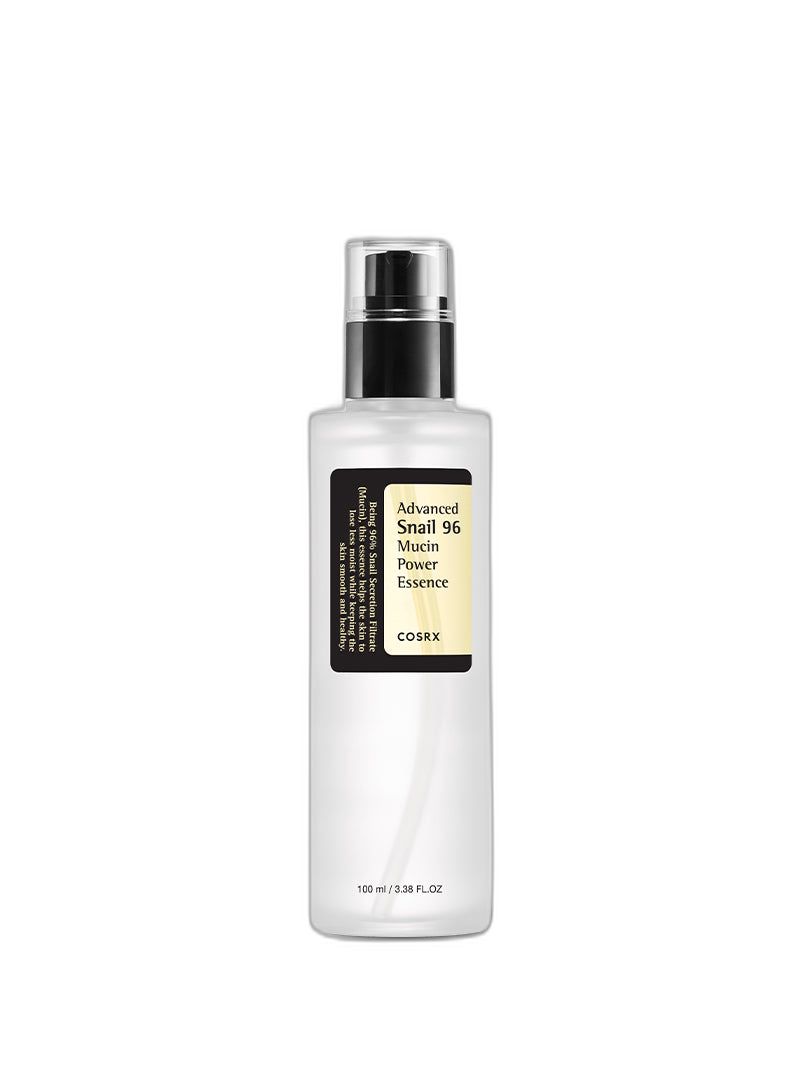
This is the star of your morning routine. Choose a Korean Vitamin C serum that aligns with the principles discussed: optimized concentrations (5-15% L-AA) or stable derivatives (like 3-O-Ethyl Ascorbic Acid or Ascorbyl Glucoside), often combined with other antioxidants like ferulic acid or glutathione.
- Why it’s important: Vitamin C is a potent antioxidant that neutralizes free radicals from UV exposure and pollution, brightens skin tone, fades hyperpigmentation, and stimulates collagen production for firmer skin. Applying it early in your routine ensures it can penetrate deeply.
- How to do it: Apply 2-3 drops of your Vitamin C serum onto your fingertips. Gently pat and press the serum evenly over your face and neck, avoiding the immediate eye area. Allow it to absorb for 1-2 minutes until it feels slightly tacky or fully absorbed. Avoid rubbing vigorously, as this can reduce its efficacy.
- K-beauty Tip: Store your Vitamin C serum in a cool, dark place, or even the refrigerator, to maintain its stability and potency, especially if it contains L-Ascorbic Acid.
Step 4: Niacinamide Buffer (Synergy, Not Conflict)
Here’s where we address the old myth. Many once believed that Vitamin C and Niacinamide couldn’t be used together due to concerns about forming nicotinic acid, which could cause redness. This concern is largely debunked by modern research and formulation science. The reaction primarily occurred under specific, harsh conditions (high heat, unbuffered formulas, high concentrations) not typically found in modern skincare. In fact, these two ingredients are a powerhouse duo!
- Why it’s important: Niacinamide works beautifully with Vitamin C. It helps to strengthen the skin barrier, reduce inflammation, minimize the appearance of pores, regulate oil production, and further enhance brightening. Using it after your Vitamin C serum acts as a gentle buffer, ensuring both ingredients deliver their benefits without interference.
- How to do it: After your Vitamin C serum has fully absorbed, take 2-3 drops of a niacinamide serum (typically 2-10% concentration) and gently pat it onto your face and neck. Allow it to absorb for 1-2 minutes.
- K-beauty Tip: Look for serums that combine Vitamin C and Niacinamide in a single, stable formula for ultimate synergy and convenience. If using separate serums, ensure your Vitamin C has fully absorbed before applying Niacinamide.
Step 5: Moisturizer (Lock It In)
A good moisturizer is essential to seal in all the goodness you’ve just applied, provide hydration, and support your skin barrier.
- Why it’s important: Moisturizer locks in moisture and active ingredients, preventing transepidermal water loss and keeping your skin plump and supple. It also creates a smooth canvas for your sunscreen.
- How to do it: Take a dime-sized amount of your favorite moisturizer and gently massage it evenly onto your face and neck. Allow it to fully absorb for a minute or two before moving to the next step.
- Product Recommendation: For an extra boost of brightening and hydration, consider the Innisfree Vitamin C Green Tea Brightening Cream. This cream combines Vitamin C derivatives with green tea enzyme and hyaluronic acid to hydrate, brighten, and smooth skin texture, making it an excellent choice to complement your Vitamin C serum.
Step 6: Sunscreen (The Non-Negotiable Shield)
This is the most critical step in any morning routine, especially when using Vitamin C. Sunscreen is non-negotiable.
- Why it’s non-negotiable after Vitamin C: Vitamin C is a powerful antioxidant that helps protect your skin from free radical damage caused by UV radiation. However, it does not provide UV protection itself. Think of it as an invisible shield that boosts your skin’s natural defenses against sun damage, but it doesn’t block the rays. Sunscreen is your physical and chemical barrier against harmful UVA and UVB rays. Without it, all the brightening and anti-aging benefits of your Vitamin C serum are undermined, and you leave your skin vulnerable to hyperpigmentation, premature aging, and skin cancer. Vitamin C and sunscreen are the ultimate dynamic duo for skin protection.
- How to do it: Apply a generous amount (at least a quarter-sized dollop for your face and neck) of a broad-spectrum sunscreen with SPF 30 or higher and PA+++ or higher. Gently pat and spread it evenly over your face and neck as the final step in your routine.
- K-beauty Tip: Reapply sunscreen every two hours, or more frequently if swimming or sweating, to maintain optimal protection.
- Product Recommendation: For a brightening and protective finish, try the Innisfree Vita C Tone Up Sunscreen SPF50+ PA++++. This innovative Korean sunscreen offers high-level UV protection while providing a natural tone-up effect and further enhancing skin radiance with Vitamin C derivatives.
Frequently Asked Questions (FAQ)
1. Can I use Vitamin C every morning? Yes, absolutely! Korean Vitamin C formulations, particularly those with lower concentrations of L-AA or stable derivatives, are designed for daily use. Consistent application in the morning maximizes their antioxidant protection against environmental stressors throughout the day.
2. What’s the ideal percentage of Vitamin C for beginners? For beginners or those with sensitive skin, starting with a lower concentration of L-Ascorbic Acid (around 5-10%) or opting for a derivative like 3-O-Ethyl Ascorbic Acid or Ascorbyl Glucoside is recommended. This allows your skin to adapt without irritation.
3. How long does it take to see results from Vitamin C serum? Results vary, but with consistent daily use, you can typically expect to see improvements in skin brightness and texture within 4-8 weeks. Fading of hyperpigmentation may take longer, often 2-3 months or more.
4. Can I use Vitamin C with other active ingredients like AHAs/BHAs or Retinol? It’s generally recommended to use Vitamin C in your morning routine and reserve stronger actives like AHAs/BHAs or Retinol for your nighttime routine. This minimizes potential irritation and maximizes the efficacy of each ingredient by avoiding direct pH conflicts and reducing skin sensitivity.
5. My Vitamin C serum has changed color. Is it still good? If your L-Ascorbic Acid serum has turned dark yellow, orange, or brown, it has oxidized and is no longer effective. In some cases, oxidized Vitamin C can even generate free radicals, so it’s best to discard it. Stable derivatives are less prone to oxidation.
6. Is Korean Vitamin C suitable for all skin types? Yes, due to their often gentler formulations, lower L-AA concentrations, and use of stable derivatives, Korean Vitamin C products are generally suitable for a wider range of skin types, including sensitive skin. Always patch test a new product first.
7. Why is Vitamin C better in the morning than at night? While you can use Vitamin C at night, applying it in the morning capitalizes on its primary benefit: antioxidant protection against daily environmental aggressors like UV radiation and pollution. It acts as a shield, complementing your sunscreen.
8. Do I need to refrigerate my Vitamin C serum? It depends on the formulation. If your serum contains L-Ascorbic Acid, refrigerating it can help extend its shelf life and slow down oxidation. If it uses stable derivatives or is specifically formulated for room temperature storage, it may not be necessary, but a cool, dark place is always best.
By embracing this Korean layering philosophy, you’re not just applying products; you’re building a resilient, radiant future for your skin. The synergistic power of Korean Vitamin C, layered thoughtfully, promises a glow that’s rooted in health and innovation, bringing you closer to your brightest complexion yet in 2026 and beyond.