Windburn on Your Face: Winter Running Skin Care
Red, tight, stinging face after a cold run? What windburn is, and simple cold-weather skin care to protect your skin barrier before and after winter runs.


This post contains affiliate links; we may earn a commission at no cost to you.
Code ROOTEDGLOW10 takes 10% off at Mirai Skin (one code per order).
Mirai Skin ships from South Korea: $11 flat to the EU, other rates at checkout; usually 7–14 business days after a 3–5 day dispatch. Import duties, if any, are paid by the buyer.
Windburn is the red, tight, sore feeling skin can get after time in cold, windy air. Cold wind and low humidity pull water out of skin’s outer layer. Before a winter run, use a rich moisturizer or balm as a buffer and cover your lower face with a buff or neck gaiter. Afterwards, wash gently with lukewarm water and moisturize again. See a doctor if your skin blisters, goes numb or doesn’t settle.
What Windburn Is
“Windburn” is an everyday name rather than a medical diagnosis. Runners use it for the red, dry, tight or stinging skin that can follow a cold, windy run, usually on the cheeks, nose and around the mouth.
It helps to know how it differs from two other things:
- Sunburn comes from UV light. You can get both on a bright winter day, which is why sunscreen still matters.
- Frostbite is when skin actually freezes. The NHS frostbite page says it can happen when skin is exposed to temperatures of 0°C (32°F) or below, and most often affects the fingers, toes, nose and ears. It needs medical help. More on the warning signs below.
Why Cold Wind and Dry Air Are Hard on Your Skin Barrier
Your skin’s outer layer holds water in with a mix of fats and proteins. The Linus Pauling Institute explains that dry skin can be an effect of the weather: “Changes in temperature, air flow, and humidity can pull water away from the skin and reduce barrier integrity.”
A winter run combines all three. The air is cold and often dry, and running into the wind adds air flow across your face. Indoors, the air can stay dry. The Mayo Clinic notes that dry indoor air can make itching and flaking worse.
Before the Run: Build a Buffer
- Moisturize first. A richer cream than you’d use in summer gives your skin a buffer layer. The Mayo Clinic suggests looking for ingredients such as ceramides, fatty acids, glycerin, shea butter and urea. For very dry skin away from the face, it also suggests thicker products such as petrolatum-based ones.
- Cover up. A buff, neck gaiter or balaclava over your lower face blocks a lot of wind. The NHS advises a hat and scarf to protect your head, neck and face in very cold temperatures.
- Protect your lips. Use a lip balm, and on bright days choose one with SPF 30 or higher, as the AAD advises.
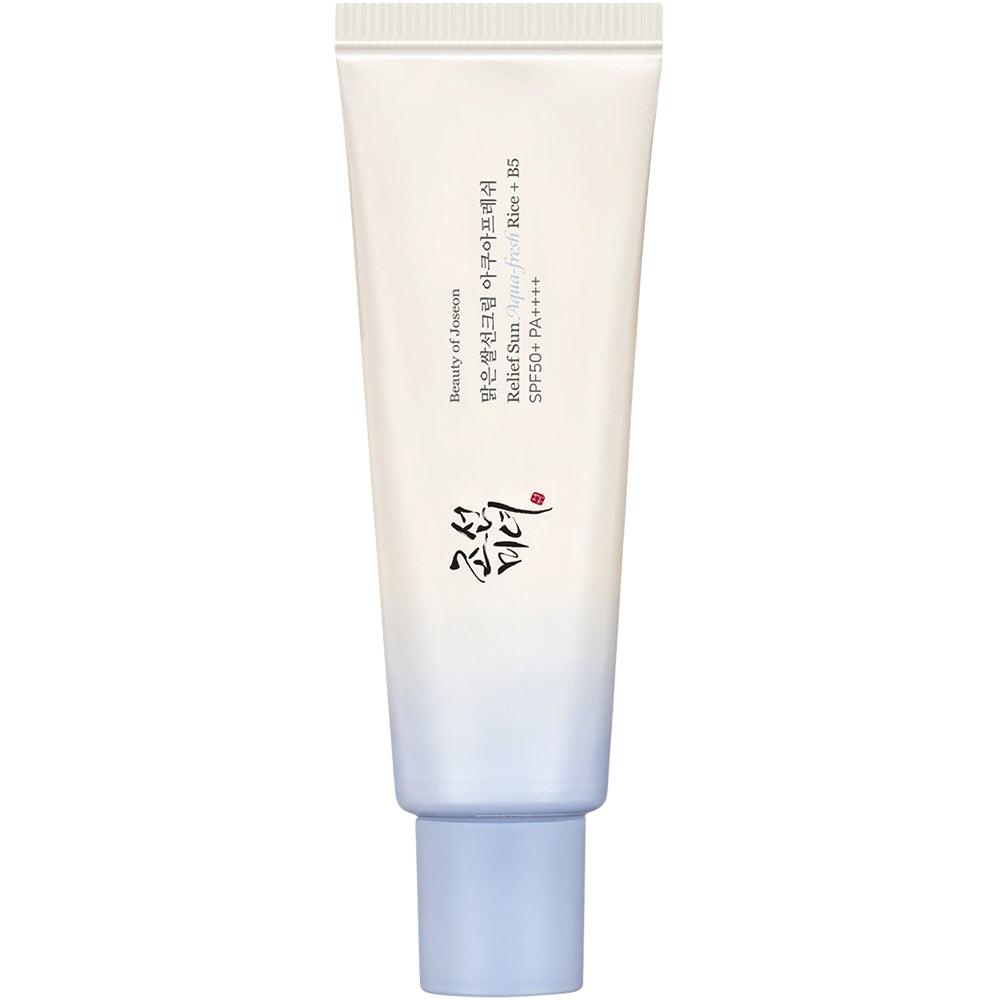
- Use SPF on bright days. Winter UV and snow glare still count. The American Academy of Dermatology says snow reflects the sun’s rays and can increase your chance of sunburn. Our guide to the best sunscreen for running covers which format to choose.
This post contains affiliate links; we may earn a commission at no cost to you.
For the buffer step, the AESTURA Atobarrier 365 Cream is a moisturizer with ceramides at Mirai Skin. The listing describes it as a ceramide moisturizer for dry and sensitive skin, with moisturizing capsules that soften as you apply it. For lips, the Round Lab Birch Juice Moisturizing Lip Balm is a lip balm. The listing names birch sap and a blend of oils, including olive, argan and jojoba. It lists no SPF, so pair it with an SPF lip product on sunny days.
After the Run: Wash Gently, Then Moisturize
- Use lukewarm water. The Mayo Clinic says long, hot showers and baths remove skin’s natural oils. It recommends warm water, not hot, and no more than 5 to 10 minutes.
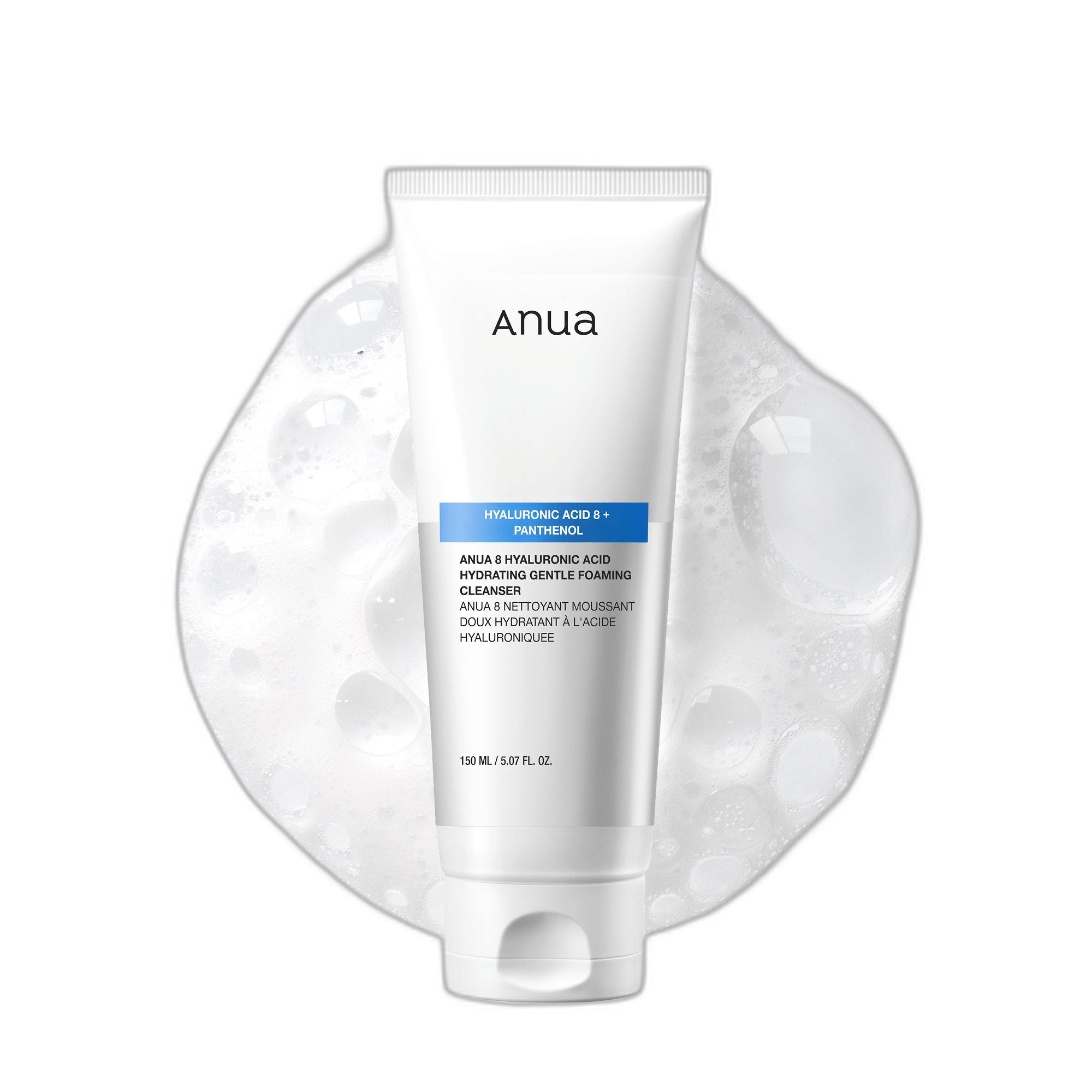
- Choose a gentle cleanser. The Mayo Clinic suggests washing your face with a gentle cleanser after sweating, choosing one that doesn’t foam and has no alcohol, and avoiding products with sodium lauryl sulfate, which can irritate skin.
- Moisturize while skin is damp. The Mayo Clinic recommends applying moisturizer while skin is still damp, and adding more whenever it feels dry.
- Skip harsh steps while it settles. Leave scrubs and strong actives until your skin feels comfortable again.
Our post-workout K-beauty recovery routine covers the full after-run routine, and Korean skincare for runners has the year-round version.
Cold Weather Skin Care at Home
- Add humidity. The Mayo Clinic suggests a humidifier, since dry indoor air can dry out skin.
- Keep showers short and warm. See above.
- Choose gentle fabrics. The Mayo Clinic notes that wool can irritate even healthy skin, so a soft layer under a wool hat or buff may feel better.
- Eat for your skin, too. Food supports skin from the inside. See our guides to omega-3 for skin and a diet for glowing skin.
If you also do cold plunges, that’s a different kind of cold exposure from wind on your face. Our guide to starting cold water therapy covers safety there. For more winter skincare ideas, our sister site Glow Coded has a dry skin winter guide.
When to See a Doctor
Get medical advice if your skin doesn’t settle, keeps getting worse, or becomes very itchy. The Mayo Clinic advises seeing a healthcare professional if self-care steps don’t help or symptoms worsen.
Frostbite needs urgent care. The NHS lists early signs as skin that is cold and firm, numb or stinging, painful, and red or pale. It says to call emergency services or go to an emergency department if you have:
- hard, frozen skin
- swelling and loss of feeling in the affected area
- blisters filled with blood or a clear or milky fluid
- constant shivering, slurred speech, slow breathing, tiredness and confusion
The NHS also says not to rub the area or warm it with direct heat such as a fire, radiator or hot water bottle.
Frequently Asked Questions
What does windburn on your face look like?
Red, dry, tight or stinging skin after time in cold, windy weather, often on the cheeks and nose.
How do I protect my face from wind when running?
Apply a rich moisturizer or balm before you go, cover your lower face with a buff or gaiter, and use lip balm.
What should I put on windburned skin?
A gentle moisturizer, ideally one labeled hypoallergenic as the Mayo Clinic suggests, with no scrubs or strong actives until it settles. See a doctor if it blisters or goes numb.
Is windburn the same as sunburn?
No. Windburn comes from cold, dry wind, while sunburn comes from UV. You can get both on a bright winter day, so SPF still matters.
Do I need sunscreen for winter runs?
On bright days and near snow, yes. The AAD notes that snow reflects the sun’s rays, and UV still reaches skin in winter.
Sources
- NHS. Frostbite. https://www.nhs.uk/conditions/frostbite/
- Mayo Clinic. Dry skin: Diagnosis and treatment. https://www.mayoclinic.org/diseases-conditions/dry-skin/diagnosis-treatment/drc-20353891
- Linus Pauling Institute, Oregon State University. Skin Health. https://lpi.oregonstate.edu/mic/health-disease/skin-health
- American Academy of Dermatology. Sunscreen FAQs. https://www.aad.org/media/stats-sunscreen