The Complete Guide to Cold Water Therapy
Cold showers, ice baths, and cold plunges — the science behind why deliberate cold exposure works, how to start safely, and what benefits to realistically expect.

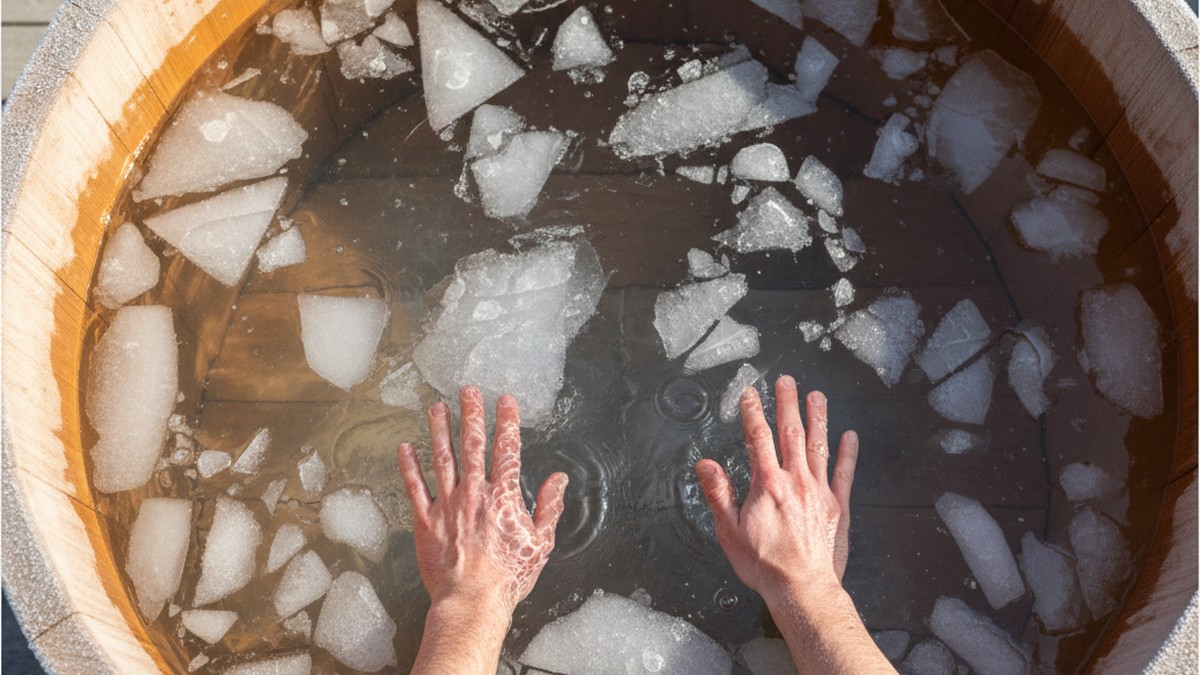
Cold water therapy has gone from fringe biohacking to mainstream wellness in a few years. The Wim Hof Method, Andrew Huberman’s cold exposure protocols, and high-end cold plunge tubs in boutique gyms have all contributed to the trend. But beneath the hype, there’s legitimate science.
Deliberate cold exposure triggers a cascade of physiological responses that have measurable effects on mood, inflammation, immune function, and metabolic health. The question isn’t whether it works — the research is clear that it does — but rather how to do it safely, how much you need, and what to realistically expect.
What Happens When You Get Cold
When your body is exposed to cold water (below ~15°C/59°F), several things happen in rapid sequence:
Norepinephrine surge. Cold exposure causes a 200-300% increase in blood norepinephrine levels. Norepinephrine is both a neurotransmitter and a hormone that increases alertness, focus, and mood. This spike lasts for hours after the exposure ends.
Vasoconstriction followed by vasodilation. Blood vessels in the skin and extremities constrict, pushing blood to the core organs. When you exit the cold, they dilate rapidly, creating a “flushing” effect that improves circulation and delivers fresh, oxygenated blood throughout the body.
Brown fat activation. Cold exposure activates brown adipose tissue (BAT), which burns calories to generate heat. Regular cold exposure increases the amount and activity of brown fat, improving metabolic efficiency over time.
Immune system modulation. A 2016 Dutch study (published in PLOS ONE) found that people who ended their showers with 30-90 seconds of cold water had 29% fewer sick days than the control group. The mechanism involves increased white blood cell activity and improved immune surveillance.
Anti-inflammatory response. Cold reduces inflammatory markers (IL-6, CRP) and suppresses the inflammatory cascade. This is why icing injuries has been standard practice — but whole-body cold exposure extends this benefit systemically.
The Benefits (Ranked by Evidence Strength)
1. Mood and Mental Health (Strong Evidence)
This is where cold therapy shines brightest. The norepinephrine surge provides an immediate, drug-free mood boost that participants in studies consistently describe as “euphoric” or “deeply energizing.”
A 2023 review in the International Journal of Circumpolar Health found consistent evidence that regular cold water swimming improved symptoms of depression and anxiety. The effect is both biochemical (neurotransmitter changes) and psychological (voluntary discomfort builds resilience and a sense of accomplishment).
2. Recovery and Inflammation (Moderate-Strong Evidence)
We covered cold therapy for recovery in our recovery tools guide. Cold water immersion reliably reduces DOMS (delayed-onset muscle soreness) and inflammatory markers after exercise.
The caveat: if your goal is maximum muscle growth, avoid cold exposure immediately after strength training. The inflammation you’re suppressing is part of the muscle-building signal. Save cold therapy for endurance training days or several hours after lifting.
3. Metabolic Health (Moderate Evidence)
Regular cold exposure increases brown fat activity, which improves insulin sensitivity and increases caloric expenditure. A 2014 study in Diabetes showed that cold exposure increased brown fat activity by 42% and metabolic rate by 10% in participants who spent time in a 19°C room.
4. Immune Function (Moderate Evidence)
The Dutch “cold shower” study is the most cited: 29% reduction in sick days from ending showers with cold water. Other studies show increased white blood cell counts and improved immune markers after regular cold exposure.
5. Cardiovascular Health (Emerging Evidence)
Cold exposure trains your cardiovascular system through the repeated vasoconstriction-vasodilation cycle. Preliminary evidence suggests regular cold water immersion may improve blood pressure regulation and vascular function, though more research is needed.
How to Start (The Progressive Protocol)
Week 1-2: Cold Shower Finish
End your normal warm shower with 30 seconds of the coldest water your shower produces. Focus on breathing — slow, controlled breaths through the nose. The shock response will make you want to gasp; override it with deliberate breathing.
That’s it. 30 seconds. The discomfort is real but manageable, and it’s over before your brain can build it into something bigger than it is.
Week 3-4: Extend to 1-2 Minutes
Gradually extend the cold portion. By the end of week 4, you should be comfortable with 1-2 minutes of cold shower. “Comfortable” is relative — you’ll still feel the cold intensely, but the panic response will have faded. Your breathing will stay controlled.
Week 5-6: Cold Start or Full Cold Shower
Try starting your shower cold rather than ending cold. This is psychologically harder but more effective because your body starts cold rather than transitioning from warm. Begin with 2 minutes cold, then switch to warm for the rest.
Alternatively, take the entire shower cold. 3-5 minutes is plenty.
Week 7+: Cold Water Immersion
If you want deeper benefits, transition to cold water immersion: a cold bath, natural body of water, or purpose-built cold plunge.
- Fill a bathtub with cold water (add ice to reach 10-15°C if needed)
- Submerge to chest level
- 2-5 minutes for beginners, up to 10-15 minutes for experienced practitioners
- Breathe slowly and deliberately throughout
- Exit when your body starts shivering significantly
Safety Rules (Non-Negotiable)
Never alone in open water. Cold water shock can cause involuntary gasping and disorientation. Always have a spotter when swimming in cold natural water.
No cold immersion after alcohol. Alcohol impairs thermoregulation and judgment. This combination has caused fatalities.
Warm up gradually. After cold exposure, let your body rewarm naturally or use light movement. Avoid jumping into a hot shower — the rapid temperature change can cause fainting.
Listen to pain signals. Discomfort is expected. Sharp pain, numbness beyond the surface layer, or chest tightness means exit immediately.
Medical conditions. If you have heart conditions, Raynaud’s disease, or uncontrolled blood pressure, consult a doctor before starting cold exposure.
Don’t fight hypothermia for a record. Longer isn’t better past a certain point. The benefits come from the temperature stimulus, not from enduring suffering. 2-5 minutes of genuine cold is sufficient for full neurochemical benefits.
Related Reading
- Breathwork Techniques for Stress and Recovery
- 10-Minute Body Scan Meditation for Beginners
- Ashwagandha for Cortisol: Evening Stress Routine
- Cold Plunge vs Sauna: Recovery Benefits Compared — a direct comparison of both modalities with protocols and the science of contrast therapy
What the First Month Feels Like
Day 1: The cold hits and everything in your body screams to get out. Your breathing goes ragged. You last 20 seconds and feel both miserable and weirdly accomplished.
Day 7: The panic is less intense. You can stay 30-60 seconds. Afterward, you feel notably more alert and energized. This energy lasts for hours.
Day 14: You’re staying 1-2 minutes. The initial shock is still there but manageable. You’re starting to look forward to the post-cold feeling — that clean, alive, deeply awake sensation.
Day 30: Cold exposure has become a non-negotiable part of your morning. On days you skip it, something feels missing. Your baseline mood is noticeably more stable, your energy is more consistent, and you handle daily stressors with less reactivity.
The transformation isn’t about becoming “tough.” It’s about training your nervous system to stay calm under stress. Every morning, you voluntarily enter discomfort and choose your response. That practice carries directly into how you handle stress, conflict, and challenge for the rest of the day.
Cold water therapy is one of the simplest, cheapest, and most effective tools available for improving both physical and mental health. All it costs is a few minutes of voluntary discomfort. The returns are disproportionately large.