Ashwagandha vs Rhodiola: Which Adaptogen Is Right for You?
A detailed comparison of Ashwagandha and Rhodiola. Learn the key differences, pros and cons, and which one is right for you.

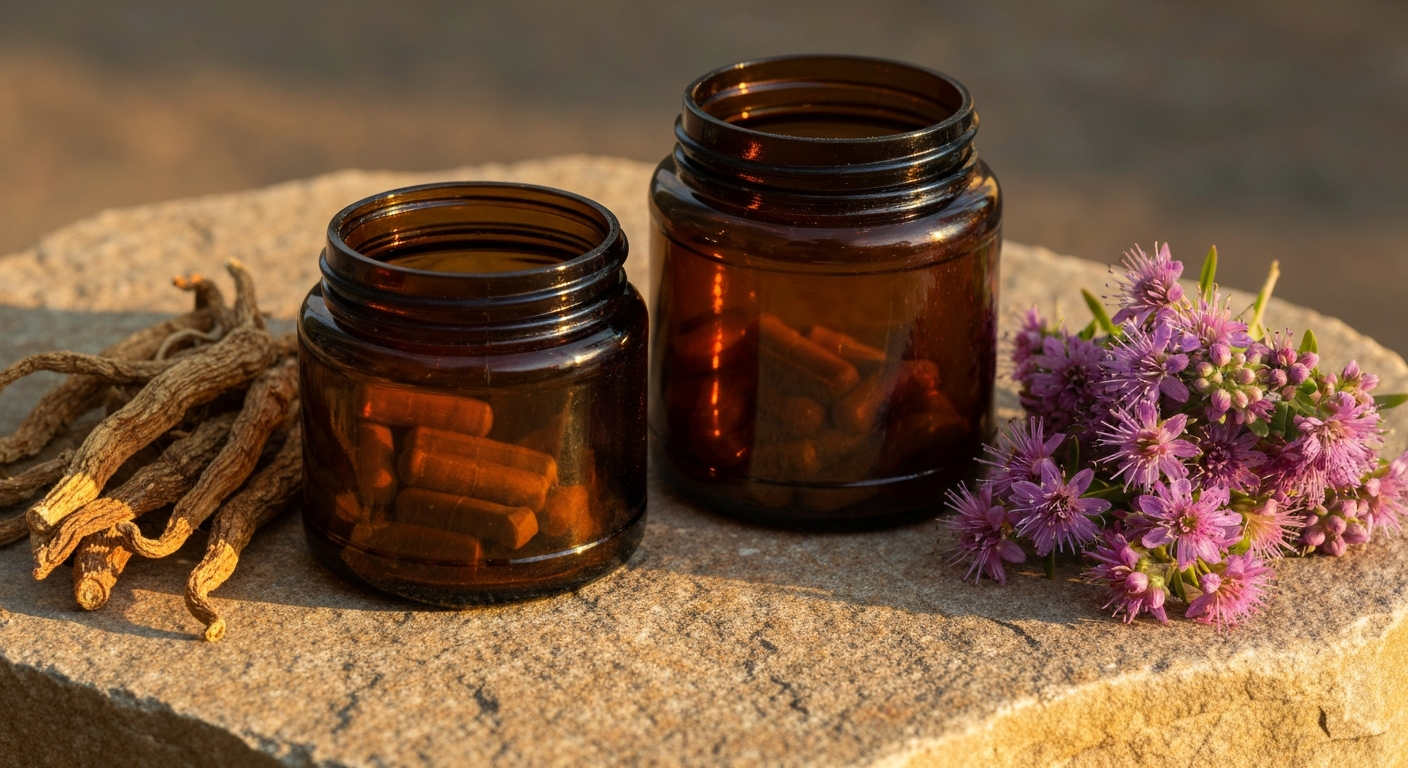
When the demands of modern life begin to feel overwhelming, many of us turn to nature’s pharmacy for support. Among the most revered allies in the quest for balance are adaptogens – a unique class of herbs that help your body adapt to stress, promoting equilibrium and resilience. Two titans in this category, Ashwagandha and Rhodiola, consistently rise to the top of conversations about natural stress relief and performance enhancement. While both are celebrated for their ability to combat the adverse effects of stress, they each offer distinct benefits and operate through different mechanisms, making the choice between them a matter of understanding your unique needs. Let’s embark on a journey to uncover the nuances of these powerful botanicals, helping you determine which adaptogen, or perhaps even both, might be the perfect fit for your wellness journey with Rooted Glow.
What Is Ashwagandha?
Ashwagandha, scientifically known as Withania somnifera, holds a sacred place in Ayurvedic medicine, India’s traditional healing system, where it has been used for thousands of years. Its name, “Ashwagandha,” translates from Sanskrit to “smell of a horse,” alluding to its unique aroma and its traditional belief in bestowing the strength and vitality of a horse. Often referred to as “Indian Ginseng,” Ashwagandha is primarily valued as a rasayana, a rejuvenative tonic that promotes overall health, longevity, and a sense of well-being.
At the heart of Ashwagandha’s therapeutic power are its active compounds, primarily a group of naturally occurring steroids called withanolides. These compounds are responsible for many of the herb’s adaptogenic, anti-inflammatory, and antioxidant properties. Ashwagandha’s primary mechanism involves modulating the body’s stress response system, particularly the Hypothalamic-Pituitary-Adrenal (HPA) axis. This intricate network of glands and hormones dictates how your body perceives and reacts to stress. By helping to regulate the HPA axis, Ashwagandha can significantly reduce cortisol levels – the primary stress hormone – leading to a more balanced and calmer physiological state.
The benefits of Ashwagandha extend far beyond simple stress reduction. It’s renowned for its ability to:
- Reduce Stress and Anxiety: Its most celebrated effect is its profound calming influence, helping to alleviate symptoms of chronic stress and anxiety without causing drowsiness. It promotes a sense of inner peace and resilience.
- Improve Sleep Quality: By calming the nervous system and reducing stress, Ashwagandha can significantly enhance sleep quality, helping individuals fall asleep faster and experience more restorative rest. This isn’t about sedation, but rather about creating an optimal physiological state for sleep.
- Support Adrenal Health: Chronic stress can lead to adrenal fatigue, a state where the adrenal glands struggle to produce adequate hormones. Ashwagandha helps nourish and support these glands, aiding in recovery and maintaining healthy cortisol rhythms.
- Boost Cognitive Function: By reducing stress-induced damage to brain cells and promoting antioxidant activity, Ashwagandha can support memory, focus, and overall cognitive performance.
- Enhance Physical Performance and Recovery: It has been shown to improve strength, endurance, and muscle recovery, making it popular among athletes and those seeking to improve physical vitality.
- Modulate Immune Function: Ashwagandha can help balance the immune system, strengthening it when needed and calming it when overactive.
In essence, Ashwagandha acts as a gentle yet powerful grounding force, helping to stabilize your internal environment against the external pressures of life. It’s about restoring calm, promoting restorative sleep, and building resilience from within. If you’re looking for an adaptogen that helps you unwind, find your center, and sleep more deeply, Ashwagandha often emerges as the front-runner. For a deep dive into stress management, Ashwagandha is often a key player.
What Is Rhodiola?
Rhodiola, specifically Rhodiola rosea, also known as “golden root” or “arctic root,” is another powerhouse adaptogen with a rich history of use in traditional medicine systems across Siberia, Scandinavia, and Traditional Chinese Medicine. Unlike Ashwagandha’s calming embrace, Rhodiola is revered for its ability to invigorate, enhance stamina, and sharpen mental focus, particularly in the face of fatigue and demanding physical or mental tasks. Historically, it was used by Vikings to enhance physical endurance, by Siberians to withstand harsh climates, and by athletes and cosmonauts to improve performance and resilience.
The key active compounds in Rhodiola are rosavins and salidrosides. These compounds work synergistically to exert Rhodiola’s adaptogenic effects, primarily by influencing neurotransmitter activity and optimizing cellular energy production. Rhodiola helps the body regulate stress hormones like cortisol, but its distinctive approach lies in its ability to optimize the availability of key neurotransmitters such as serotonin, dopamine, and norepinephrine in the brain. This optimization contributes to its mood-enhancing and cognitive-boosting properties. Furthermore, Rhodiola has been shown to improve the efficiency of ATP (adenosine triphosphate) synthesis, which is the primary energy currency of your cells, thereby enhancing cellular energy and reducing fatigue.
The comprehensive benefits of Rhodiola include:
- Combatting Fatigue and Burnout: Rhodiola is perhaps best known for its potent anti-fatigue properties. It helps reduce both physical and mental fatigue, making it invaluable for those experiencing burnout or exhaustion from prolonged stress.
- Enhancing Mental Performance: It significantly improves cognitive functions such as concentration, memory, and attention span, especially under stressful conditions. It helps clear mental fog and promotes sustained mental clarity.
- Boosting Physical Endurance: Similar to its historical use, Rhodiola can enhance physical stamina and reduce perceived exertion during exercise, allowing for longer and more effective workouts.
- Elevating Mood: By influencing neurotransmitter levels, Rhodiola can have a positive impact on mood, helping to alleviate symptoms of low mood and promote a sense of well-being and motivation.
- Increasing Stress Resilience: While it doesn’t necessarily calm in the same way Ashwagandha does, Rhodiola builds a stronger physiological and psychological buffer against stress, making you more resilient and less susceptible to its negative impacts.
- Supporting Cardiovascular Health: Some research suggests Rhodiola may help protect the cardiovascular system from stress-induced damage.
Rhodiola is an excellent choice for individuals who feel drained, mentally foggy, or struggle with maintaining focus and energy throughout their day. It empowers you to rise to challenges, sustain effort, and maintain peak performance even when under pressure. If your primary concerns revolve around fatigue, mental sharpness, and endurance, Rhodiola could be your ideal adaptogenic partner. It’s a fantastic ally for boosting cognitive function naturally.
Ashwagandha vs Rhodiola: Head-to-Head Comparison
To truly appreciate the distinct roles of these two incredible adaptogens, let’s lay out their key characteristics side-by-side.
| Feature | Ashwagandha (Withania somnifera) | Rhodiola (Rhodiola rosea) |
|---|---|---|
| Primary Traditional Use | Rejuvenative tonic, stress reduction, sleep aid, vitality | Anti-fatigue, endurance, mood elevation, cognitive enhancement |
| Key Active Compounds | Withanolides | Rosavins, Salidrosides |
| Primary Focus/Effect | Calming, grounding, stress reduction, anxiety relief, sleep support | Stimulating, energizing, anti-fatigue, mental clarity, mood uplift |
| Energy Impact | Promotes calm energy, reduces fatigue by improving resilience | Boosts physical and mental energy, reduces perceived exertion |
| Mood Impact | Reduces anxiety, promotes emotional stability, grounding | Elevates mood, combats low mood, increases motivation |
| Ideal For | Chronic stress, anxiety, insomnia, adrenal fatigue, systemic balance | Acute stress, mental/physical fatigue, burnout, focus, endurance |
| Best Time to Take | Evening (for sleep), or throughout the day for sustained calm | Morning/early afternoon (can be stimulating if taken late) |
| Mechanism of Action | Modulates HPA axis, reduces cortisol, supports nervous system | Optimizes neurotransmitters, enhances cellular energy (ATP) |
| Common Side Effects | Generally well-tolerated, rare mild stomach upset, drowsiness (if sensitive) | Generally well-tolerated, rare jitters, insomnia (if taken late or sensitive) |
Key Differences Detailed
While both Ashwagandha and Rhodiola are adaptogens, helping your body cope with stress, their approaches and primary benefits diverge significantly. Understanding these differences is crucial for selecting the right one for your specific needs.
Mechanism of Action: The Root of Their Power
Ashwagandha primarily works by modulating the Hypothalamic-Pituitary-Adrenal (HPA) axis, which is the central command system for your body’s stress response. By helping to balance this axis, Ashwagandha reduces the overproduction of cortisol, the body’s main stress hormone. This leads to a profound calming effect on the nervous system, helping to mitigate the physiological and psychological symptoms of chronic stress and anxiety. It doesn’t just mask stress; it helps re-regulate the body’s internal stress thermostat, promoting a more stable and resilient state over time.
Rhodiola, on the other hand, operates through a different pathway. While it also influences stress hormones, its core strength lies in its ability to optimize neurotransmitter activity in the brain (like serotonin, dopamine, and norepinephrine) and enhance cellular energy production (ATP synthesis). This dual action contributes to its stimulating, anti-fatigue, and mood-elevating properties. Instead of calming the storm, Rhodiola helps your body and mind weather the storm more effectively, providing the energy and mental clarity to push through stressful periods without succumbing to exhaustion.
Energy and Focus: Calm vs. Invigorating
This is perhaps the most significant functional difference. Ashwagandha provides a calm, sustained energy by reducing the drain of chronic stress and improving sleep. It doesn’t stimulate you, but rather frees up your natural energy reserves by quieting the internal noise and anxiety. The focus it provides comes from a reduction in mental chatter and an improved ability to concentrate due to less stress.
Rhodiola is distinctly invigorating and stimulating. It directly combats fatigue and enhances mental sharpness, making it ideal for periods of intense mental or physical demand. It helps you feel more awake, alert, and able to concentrate for longer periods, even when you’re tired. This makes it a favorite for students during exam season or professionals facing tight deadlines. It’s about empowering performance in the face of demands, rather than simply reducing the underlying stress.
Mood and Emotional Support: Grounding vs. Uplifting
Ashwagandha is an excellent choice for reducing anxiety and promoting emotional stability. Its grounding effect helps to soothe an overactive nervous system, leading to a greater sense of peace and less reactivity to stressors. If you often feel overwhelmed, on edge, or excessively worried, Ashwagandha can help bring you back to a more balanced emotional baseline.
Rhodiola tends to be more uplifting and mood-elevating. By optimizing neurotransmitter levels, it can help alleviate symptoms of low mood, increase motivation, and foster a more positive outlook. It provides a sense of resilience and vigor, helping you bounce back from emotional setbacks and maintain a brighter disposition, even under pressure.
Sleep: Restorative vs. Activating
Ashwagandha is well-known for its ability to promote restful and restorative sleep. By calming the nervous system and reducing cortisol, it creates an optimal physiological environment for falling asleep and staying asleep. Many users report deeper, more refreshing sleep without any grogginess the next day. It’s not a sedative, but an aid to your body’s natural sleep cycle by mitigating stress.
Rhodiola, due to its stimulating nature, is generally not recommended before bed. For some individuals, taking it too late in the day can interfere with sleep, potentially leading to wakefulness or difficulty falling asleep. Its strength lies in boosting daytime energy and focus, making it best utilized in the morning or early afternoon. If you’re looking for help with optimizing your sleep cycle, Ashwagandha would be the preferred adaptogen here.
Physical Performance and Recovery: Stamina vs. Endurance
Both adaptogens can support physical performance, but with different nuances. Ashwagandha aids in overall stamina, strength, and muscle recovery. It helps reduce exercise-induced stress and inflammation, allowing for better recovery and sustained performance over time. It’s about building foundational physical resilience.
Rhodiola is particularly effective for improving endurance and reducing perceived exertion during exercise. It helps the body utilize oxygen more efficiently and increases resistance to fatigue, allowing athletes to perform at a higher intensity for longer periods. It’s more about immediate performance enhancement and pushing through limits.
Who Should Choose Ashwagandha?
Ashwagandha is your ideal companion if your primary concerns revolve around chronic stress, anxiety, and the desire for a more grounded, peaceful existence.
- You experience chronic stress and anxiety: If you often feel overwhelmed, “on edge,” or find yourself constantly in a state of hyper-alertness, Ashwagandha’s calming properties can be profoundly beneficial.
- You struggle with sleep: If stress or an overactive mind keeps you awake at night, Ashwagandha can help you unwind and achieve more restorative sleep.
- You feel “burnt out” or “wired and tired”: When your adrenals feel depleted, and you’re exhausted but can’t relax, Ashwagandha can help nourish your adrenal glands and restore balance.
- You seek a general sense of calm and well-being: For those looking to lower their baseline stress levels and cultivate a more stable emotional state, Ashwagandha provides a gentle, consistent support.
- You want support for immune function and overall vitality: As a traditional rejuvenative, it’s excellent for systemic balance and strengthening the body’s natural defenses.
- You prefer a non-stimulating approach: If you’re sensitive to stimulants or already have high energy, Ashwagandha offers a calming alternative.
If you’re looking to turn down the volume on life’s stressors and reconnect with a sense of inner peace, Ashwagandha is likely your best bet. It helps you adapt by calming the internal storm and rebuilding your resilience from the inside out. For more on understanding adrenal health, Ashwagandha is often a recommended herb.
Who Should Choose Rhodiola?
Rhodiola is best suited for individuals who need an energy boost, enhanced mental clarity, and increased resilience to perform under pressure without succumbing to fatigue.
- You suffer from mental or physical fatigue: If you often feel drained, sluggish, or experience “brain fog,” Rhodiola can provide a significant lift in energy and mental sharpness.
- You need to improve focus and concentration: For students, professionals, or anyone facing demanding cognitive tasks, Rhodiola can enhance attention span and productivity.
- You’re an athlete or physically active individual: If you want to improve endurance, reduce recovery time, and push your physical limits, Rhodiola can be a valuable supplement.
- You experience situational stress or burnout: When stress leads to a lack of motivation, low mood, or a feeling of being overwhelmed by tasks, Rhodiola can help you maintain performance and a positive outlook.
- You need an uplifting and invigorating effect: If you tend towards low mood, lack of drive, or feel easily discouraged, Rhodiola can provide an energizing lift.
- You prefer a stimulating approach: If you thrive on a natural boost to your energy and mental faculties, Rhodiola offers this without the harshness of caffeine.
If you need to power through demanding periods, sharpen your mind, and invigorate your body, Rhodiola is likely the adaptogen for you. It helps you adapt by increasing your capacity to perform and withstand the pressures of life.
Can You Use/Have Both?
Absolutely, and for many individuals, combining Ashwagandha and Rhodiola can offer a synergistic approach to stress management and overall well-being, leveraging their distinct strengths. Think of it as a comprehensive strategy: Ashwagandha lays the foundation of calm and resilience, while Rhodiola provides the energy and focus to thrive.
Here’s how they can complement each other:
- Daytime Energy and Nighttime Calm: Many people find success taking Rhodiola in the morning or early afternoon to combat fatigue, boost focus, and elevate mood throughout the day. Then, they take Ashwagandha in the evening to promote relaxation, reduce anxiety, and support restorative sleep. This combination addresses both the need for daytime vitality and nighttime recovery.
- Holistic Stress Resilience: Ashwagandha helps reduce the baseline physiological stress response (lower cortisol, calmer nervous system), while Rhodiola helps your body and mind maintain optimal function and energy levels even when external stressors are high. This dual action builds a more robust defense against the multifaceted impacts of stress.
- Addressing Complex Needs: If you experience both chronic anxiety/poor sleep AND daytime fatigue/difficulty focusing, combining these adaptogens can target both sets of symptoms more effectively than either one alone.
Important Considerations if Combining:
- Start Low, Go Slow: Always begin with lower doses of each adaptogen, especially when introducing them simultaneously. This allows your body to adjust and helps you identify how each herb affects you individually.
- Listen to Your Body: Pay close attention to how you feel. If you experience overstimulation, jitters, or sleep disturbances, you may need to adjust the dosage or timing of Rhodiola. If Ashwagandha makes you too drowsy during the day, consider taking it only in the evening.
- Consult a Healthcare Professional: Especially if you have underlying health conditions, are taking other medications, or are pregnant/nursing, it’s always wise to consult with a doctor, naturopath, or a qualified herbalist before combining supplements. They can provide personalized guidance and ensure there are no contraindications.
- Quality Matters: Always choose high-quality, reputable supplements from trusted brands like Rooted Glow to ensure purity, potency, and safety.
When used thoughtfully, Ashwagandha and Rhodiola can be a powerful duo, providing comprehensive support for navigating the demands of a busy life with grace and energy.
The Verdict
Choosing between Ashwagandha and Rhodiola isn’t about declaring one superior to the other; it’s about discerning which adaptogen’s unique profile aligns best with your individual needs and the specific challenges you’re facing. Both are exceptional natural allies in the journey toward enhanced well-being, but they offer different pathways to that goal.
If your life feels like a constant uphill battle against stress, anxiety, and restless nights, and you long for a sense of calm, grounding, and restorative sleep, Ashwagandha is likely your ideal partner. It excels at dialing down the intensity of your internal stress response, helping you find peace and rebuild your resilience from within. It’s the adaptogen that helps you slow down, breathe deeply, and reconnect with your inner calm.
Conversely, if you’re battling persistent fatigue, mental fog, and a dip in motivation, and you need a boost to sharpen your focus, enhance your endurance, and elevate your mood to meet life’s demands head-on, then Rhodiola is probably the adaptogen for you. It empowers you to rise to challenges, maintain peak performance, and bounce back with vigor, even when faced with significant pressure. It’s the adaptogen that helps you speed up, stay sharp, and conquer your day.
And remember, the beauty of adaptogens lies not just in their individual power but also in their potential for synergy. For those experiencing a multifaceted struggle with both chronic stress and persistent fatigue, a thoughtful combination of Ashwagandha and Rhodiola, perhaps at different times of the day, can offer a comprehensive and balanced approach to reclaiming your vitality.
Ultimately, the best choice is the one that resonates most deeply with your current health landscape and wellness aspirations. Listen to your body, consider your lifestyle, and embark on your adaptogenic journey with intention. Rooted Glow is here to support you every step of the way as you discover the natural path to your most vibrant self.
Related reading: The Ultimate Guide to Adaptogens, Natural Ways to Combat Fatigue
Frequently Asked Questions
Can I take ashwagandha and rhodiola together?
Yes. They work on complementary pathways — ashwagandha calms HPA-axis overactivation while rhodiola boosts endurance and cognitive stamina. Many practitioners recommend ashwagandha at night and rhodiola in the morning. Start with one at a time for 4-6 weeks to know how each affects you individually.
How long before I feel the effects?
Rhodiola often produces noticeable changes in energy and mental clarity within 1-2 weeks. Ashwagandha’s cortisol-modulating effects usually take 4-8 weeks of consistent use to become obvious. Neither is an instant fix — these are supplements that work with your stress physiology over time.
Should I cycle these adaptogens?
Opinion is mixed in the research. Some practitioners recommend 8-12 weeks on, 2 weeks off, especially for rhodiola. Others use them continuously for years without issue. If you notice benefits plateauing, a 2-week break often restores sensitivity.
Can ashwagandha cause grogginess?
Some people feel mildly sedated in the first week, especially with higher doses (600 mg+). This usually resolves as the body adjusts. If it persists, reduce the dose or shift to evening-only.
Are these safe with medications?
They interact with several drug classes: thyroid medications (ashwagandha can raise T3/T4), sedatives, immunosuppressants, and some antidepressants. Always check with a doctor or pharmacist if you take prescription medication.
Can I take these during pregnancy or breastfeeding?
No. Both are contraindicated in pregnancy and have insufficient safety data for breastfeeding. Avoid unless specifically cleared by a knowledgeable practitioner.
What dose should I start with?
Ashwagandha: 300-600 mg of a standardized extract (KSM-66 or Sensoril) daily. Rhodiola: 200-400 mg of a 3% rosavin, 1% salidroside extract daily. Start at the lower end for the first week.
Do I need to eat with them?
Ashwagandha is better absorbed with fat — take with a meal containing some dietary fat. Rhodiola is effective on an empty stomach or with food, though some people find it energizing enough that empty-stomach morning dosing works best.