7 Meditation Techniques Compared: Which Style Fits You
Mindfulness, body scan, loving-kindness, mantra, breath focus, walking, and visualization compared. What each does, the research, and which to start with.

7 Meditation Techniques Compared: Which Style Fits You
In the hustle and bustle of modern life, the quest for inner peace, clarity, and resilience has never been more vital. Meditation, an ancient practice, offers a powerful pathway to these states, yet the world of meditation can seem vast and intimidating. With numerous techniques available, how do you know which one is right for you?
Just as there are many paths up a mountain, there are many ways to cultivate a meditative state. No single technique is inherently “better” than another; rather, different styles resonate with different individuals and serve different purposes. This comprehensive guide will explore seven distinct meditation techniques, breaking down what each entails, how to practice it, what the science says, and who it’s best suited for. By understanding the nuances of each, you’ll be empowered to choose a practice that truly fits your unique needs and aspirations, helping you root yourself in the present moment and glow from within.
Mindfulness of Breath
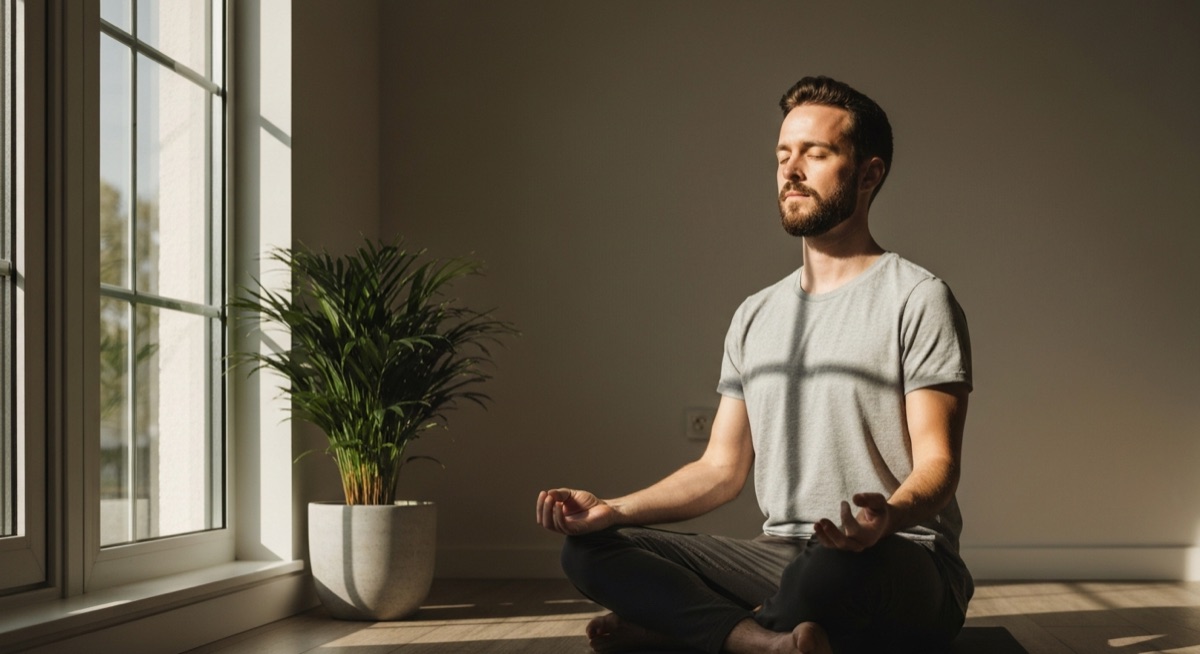
What it is: Mindfulness of Breath is arguably the most fundamental and widely practiced meditation technique. It involves anchoring your attention to the natural rhythm and sensation of your breath. The breath serves as a focal point, a constant, gentle anchor to the present moment. It’s not about controlling the breath, but simply observing it as it is, allowing it to move naturally while gently bringing your awareness back whenever your mind wanders. This practice cultivates present-moment awareness, helping to quiet the mental chatter and foster a sense of calm.
How to do it (clear steps):
- Find Your Seat: Sit comfortably in a chair with your feet flat on the floor, or cross-legged on a cushion. Ensure your spine is erect but not rigid, and your shoulders are relaxed. You can close your eyes or soften your gaze downwards.
- Settle In: Take a few deeper breaths, then allow your breath to return to its natural rhythm.
- Find Your Anchor: Bring your attention to the physical sensations of your breath. This could be the feeling of air entering and leaving your nostrils, the rise and fall of your belly, or the expansion and contraction of your chest. Choose one area that feels most prominent.
- Observe: Simply observe each inhale and exhale. Notice the coolness of the air as it enters, the warmth as it leaves, the subtle movement of your body. Don’t try to change your breath; just watch it.
- Mind Wandering: Inevitably, your mind will wander. Thoughts, sounds, sensations, and emotions will arise. When you notice your mind has drifted, gently acknowledge it without judgment.
- Return: Kindly but firmly redirect your attention back to your chosen anchor point – the sensation of your breath. This act of noticing and returning is the core practice. Each time you return, you strengthen your muscle of attention.
- Duration: Start with 5-10 minutes and gradually increase as you feel comfortable. For guidance on starting, visit our meditation for beginners guide.
What the research shows: Extensive research supports the benefits of Mindfulness of Breath. Studies indicate it effectively reduces stress, anxiety, and symptoms of depression by promoting the relaxation response. It’s shown to improve attention span, cognitive function, and emotional regulation. By focusing on the breath, practitioners can activate the parasympathetic nervous system, helping to calm the body and mind. Furthermore, integrating mindful breathwork techniques has been shown to be beneficial for stress recovery, as detailed in our guide on breathwork techniques for stress recovery.
Best for: Anxiety, stress reduction, focus, emotional regulation, general well-being, beginners. Difficulty: Easy
Body Scan
What it is: The Body Scan meditation is a practice of systematically bringing mindful awareness to different parts of the body, noticing any sensations without judgment. It encourages a deep connection with your physical self, helping you to release tension, become more attuned to your body’s signals, and cultivate a sense of groundedness. It’s a powerful tool for developing interoceptive awareness – the ability to perceive internal bodily states.
How to do it (clear steps):
- Lie Down Comfortably: Find a quiet space where you can lie down on your back, perhaps on a yoga mat or bed. Allow your arms to rest at your sides, palms facing up, and your legs to extend naturally. You can also do this seated if lying down isn’t feasible.
- Settle In: Close your eyes gently. Take a few deep breaths, allowing your body to soften into the surface beneath you with each exhale.
- Start at the Toes: Bring your full attention to your toes. Notice any sensations there – warmth, coolness, tingling, pressure, absence of sensation. There’s no need to change anything, just observe.
- Move Upwards: Slowly, deliberately, move your awareness up through your feet, ankles, lower legs, knees, thighs, and hips. Pause at each area, dedicating your full attention to the sensations present.
- Continue Through the Torso: Progress through your abdomen, lower back, chest, upper back, shoulders, arms, hands, and fingers. Feel each part of your body from the inside out.
- Neck and Head: Finally, bring your awareness to your neck, throat, jaw, face, and the top of your head. Notice any tension, and with an exhale, imagine that tension softening.
- Whole Body Awareness: Once you’ve scanned through all parts, broaden your awareness to encompass your entire body as a whole, resting in a state of complete presence.
- Coming Out: When ready, gently bring movement back into your fingers and toes, open your eyes, and slowly sit up.
- Duration: A typical body scan can last 10-45 minutes. For a beginner-friendly guided practice, try our 10-minute body scan meditation for beginners.
What the research shows: Research indicates that regular Body Scan practice can significantly reduce chronic pain, improve sleep quality, and alleviate symptoms of anxiety and depression. It enhances self-awareness and can help individuals develop a healthier relationship with their body, particularly in managing stress and trauma. The practice’s ability to promote deep relaxation and downregulate the nervous system is often attributed to its positive impact on the vagus nerve, a key component of the parasympathetic nervous system, as explored in our guide on vagus nerve stimulation techniques and evidence.
Best for: Sleep, anxiety, stress reduction, chronic pain management, body awareness, grounding. Difficulty: Easy-Medium
Loving-Kindness (Metta)
What it is: Loving-Kindness, or Metta (a Pali word meaning benevolence, friendliness, or goodwill), is a meditation practice aimed at cultivating feelings of unconditional warmth, kindness, and compassion towards oneself and others. It involves silently repeating specific phrases that express good wishes, systematically extending these feelings outwards to oneself, loved ones, neutral individuals, difficult people, and finally, all beings. This practice actively counteracts negative emotions like anger, resentment, and self-criticism, fostering a sense of interconnectedness and inner peace.
How to do it (clear steps):
- Settle In: Sit comfortably with an upright posture. Close your eyes or soften your gaze. Take a few deep breaths to center yourself.
- Self-Compassion: Begin by directing loving-kindness towards yourself. Silently repeat phrases such as:
- “May I be happy.”
- “May I be well.”
- “May I be safe.”
- “May I be peaceful and at ease.”
- Feel the sentiment of these phrases, allowing warmth and acceptance to arise within you.
- Loved Ones: Next, bring to mind someone you love dearly – a family member, a friend, or a pet. Visualize them clearly and extend the same phrases to them:
- “May you be happy.”
- “May you be well.”
- “May you be safe.”
- “May you be peaceful and at ease.”
- Neutral Person: Now, bring to mind someone you encounter regularly but don’t have strong feelings about (e.g., a barista, a neighbor). Extend the loving-kindness phrases to them. This step helps broaden your capacity for impartiality.
- Difficult Person: This is often the most challenging but transformative step. Bring to mind someone with whom you have difficulty or conflict. Without condoning their actions, try to extend loving-kindness towards their basic humanity, wishing them well:
- “May you be happy.”
- “May you be well.”
- “May you be safe.”
- “May you be peaceful and at ease.”
- All Beings: Finally, expand your awareness to encompass all living beings – near and far, known and unknown, human and animal. Imagine a wave of loving-kindness radiating outwards:
- “May all beings be happy.”
- “May all beings be well.”
- “May all beings be safe.”
- “May all beings be peaceful and at ease.”
- Rest: Conclude by resting in the expansive feeling of universal loving-kindness.
- Duration: Practice for 10-30 minutes, or even a few minutes when you need a boost of compassion.
What the research shows: Studies on Loving-Kindness meditation show remarkable benefits, including increased positive emotions (joy, contentment, hope, gratitude), reduced self-criticism, and enhanced empathy and compassion towards others. It has been found to decrease symptoms of depression, anxiety, and even post-traumatic stress disorder (PTSD). Regular practice can also improve social connection and reduce feelings of loneliness.
Best for: Cultivating compassion, reducing negativity, improving relationships, emotional well-being, reducing self-criticism. Difficulty: Medium
Mantra/TM-style
What it is: Mantra meditation involves the repetitive chanting or silent recitation of a word, sound, or phrase (a mantra) to focus the mind and induce a state of deep relaxation. The sound of the mantra, whether spoken aloud or held internally, acts as an anchor for attention, helping to quiet the incessant stream of thoughts. Transcendental Meditation (TM) is a specific, widely known form of mantra meditation where practitioners are given a personal mantra and taught a specific technique. While TM is a branded technique, the general principle of using a mantra is accessible to everyone.
How to do it (clear steps):
- Choose Your Mantra: Select a word or short phrase that resonates with you. It can be a sacred sound (like “Om”), a simple word (like “Peace,” “Love,” “Calm”), or a phrase (like “So Hum” – meaning “I am That,” or “I am”). You can also choose a personal affirmation.
- Find Your Position: Sit comfortably in a quiet place, with your spine erect but relaxed. You can close your eyes or keep them softly open.
- Begin Repetition: Start to silently or softly repeat your chosen mantra. There’s no need to force concentration; simply allow the mantra to flow naturally.
- Effortless Return: As thoughts, sensations, or distractions arise, gently acknowledge them without judgment. When you notice your mind has drifted, softly return your attention to the mantra. The repetition should be effortless, not forced.
- Allow the Mantra to Fade: Sometimes, the mantra might become very faint or even disappear entirely, replaced by a sense of deep stillness or spaciousness. Allow this to happen naturally. If thoughts return, or you feel the need, gently reintroduce the mantra.
- Rest in Silence: After your chosen meditation time, gradually cease repeating the mantra. Sit in silence for a few minutes, allowing yourself to simply be present with the quietude you’ve cultivated.
- Coming Out: Gently open your eyes and slowly re-engage with your surroundings.
- Duration: Mantra meditation is often practiced for 15-20 minutes, once or twice a day.
What the research shows: Research on mantra meditation, including TM, demonstrates its effectiveness in reducing physiological and psychological stress. Studies show it can lower blood pressure, reduce anxiety, decrease symptoms of depression, and improve sleep quality. The repetitive nature helps to calm the nervous system, leading to a profound state of relaxation often referred to as the “relaxation response.” It also enhances focus, self-awareness, and emotional stability.
Best for: Stress reduction, anxiety, deep relaxation, focus, individuals who find silent meditation challenging. Difficulty: Easy-Medium
Open Awareness
What it is: Open Awareness, also known as choiceless awareness or bare attention, is a more advanced form of meditation where the practitioner refrains from focusing on any single object. Instead, the aim is to remain openly and non-judgmentally aware of whatever arises in the field of consciousness – whether it’s thoughts, emotions, sounds, or physical sensations – as they appear and disappear. It’s like observing the sky, allowing clouds to drift by without clinging to any one, simply witnessing the vastness and the passing phenomena. This practice cultivates a spacious, non-reactive relationship with experience.
How to do it (clear steps):
- Settle In: Sit comfortably with an upright posture, eyes gently closed or softened. Take a few breaths to ground yourself.
- Release Focus: Unlike breath mindfulness, intentionally let go of any specific anchor or object of attention.
- Broaden Awareness: Expand your awareness to encompass everything that enters your sensory field. Notice sounds as they arise and fade, bodily sensations as they appear and shift, and thoughts and emotions as they come and go.
- Observe Without Judgment: The key is to observe these phenomena without getting caught up in them, without analyzing, evaluating, or reacting. Simply witness them as they are, like leaves floating down a stream.
- Non-Attachment: Allow thoughts and feelings to pass through your awareness without clinging to them or pushing them away. Recognize them as transient events in the vast space of your consciousness.
- Spaciousness: Cultivate a sense of spaciousness around your experience, understanding that you are the awareness observing, not the content being observed.
- Gentle Return: If you find yourself deeply engrossed in a thought or emotion, gently acknowledge this and return to a broader, open awareness. There’s no failure, only practice.
- Duration: Begin with shorter sessions (10-15 minutes) and gradually extend as you become more comfortable with this less structured approach.
What the research shows: Research on Open Awareness meditation indicates it can enhance cognitive flexibility, reduce rumination (repetitive negative thinking), and improve emotional regulation. It fosters a sense of psychological spaciousness, allowing individuals to observe their thoughts and emotions with greater detachment, which can be particularly beneficial for managing anxiety and depression. This practice also strengthens meta-awareness – the ability to be aware of one’s own awareness.
Best for: Emotional regulation, cognitive flexibility, reducing rumination, cultivating non-reactivity, experienced practitioners seeking deeper insight. Difficulty: Medium-Hard
Walking Meditation
What it is: Walking meditation brings mindfulness to the simple, everyday act of walking. Instead of using walking as a means to an end (like getting from one place to another), the focus shifts entirely to the experience of walking itself. It involves paying close attention to the sensations of your feet touching the ground, the movement of your legs, the swing of your arms, and the rhythm of your breath as you move. This practice grounds you in your body and the present moment, offering a dynamic alternative to seated meditation, especially beneficial for those who find sitting still challenging.
How to do it (clear steps):
- Find Your Space: Choose a quiet, safe place where you can walk undisturbed for 10-20 feet, or a longer path if available. This could be indoors or outdoors.
- Start Standing: Stand upright, with your hands clasped gently in front or behind you, or simply relaxed at your sides. Take a moment to feel your feet on the ground.
- Lowered Gaze: Soften your gaze towards the ground about 6-10 feet in front of you, or close your eyes if you feel comfortable and safe. This helps to minimize visual distractions.
- Slow and Deliberate: Begin to walk very slowly and intentionally. Bring your full attention to the sensations in your feet and legs.
- Break Down the Movement: You can break down the walking process into distinct stages:
- Lifting: Notice the sensation of one foot lifting from the ground.
- Moving: Feel the forward movement of your leg.
- Placing: Feel the foot making contact with the ground, heel first, then the ball of the foot, then the toes.
- Repeat with the other foot.
- Pace Yourself: Adjust your pace to what feels natural for mindful observation. It might be slower than your usual walk.
- Mind Wandering: When your mind wanders (which it will), gently acknowledge the distraction and kindly bring your attention back to the physical sensations of walking.
- Turning: When you reach the end of your path, pause, take a breath, and mindfully turn around to continue walking in the opposite direction.
- Duration: Start with 10-15 minutes. It can be integrated into daily routines, like walking to your car or to another room.
What the research shows: Walking meditation has been shown to reduce stress, improve mood, and enhance physical and mental well-being. It can be particularly effective for individuals who experience restlessness or find seated meditation difficult, as it channels physical energy into a mindful practice. Studies suggest it improves body awareness, grounds practitioners in the present, and can be a powerful tool for integrating mindfulness into daily life, fostering a sense of calm even amidst movement.
Best for: Restlessness, grounding, stress reduction, integrating mindfulness into daily life, those who struggle with sitting still. Difficulty: Easy-Medium
Visualization
What it is: Visualization meditation involves creating detailed mental images to evoke specific feelings, states of being, or desired outcomes. It harnesses the power of the imagination to influence your emotional state, promote relaxation, reduce stress, and even enhance performance or facilitate healing. Whether you imagine a peaceful natural setting, visualize yourself successfully achieving a goal, or direct healing light to a part of your body, the goal is to engage all your senses in the mental imagery to make the experience as vivid and impactful as possible.
How to do it (clear steps):
- Find Your Comfort: Sit or lie down comfortably in a quiet space where you won’t be disturbed. Close your eyes.
- Deepen Relaxation: Take several slow, deep breaths, allowing your body to relax with each exhale.
- Choose Your Image: Decide what you want to visualize. Common visualizations include:
- Peaceful Place: Imagine a serene beach, a lush forest, a cozy cabin.
- Healing Light: Visualize a warm, soothing light entering your body and healing areas of tension or pain.
- Achieving a Goal: See yourself successfully completing a task, speaking confidently, or reaching a personal milestone.
- Engage Your Senses: Once you have your image, immerse yourself in it fully.
- Sight: What do you see? Colors, shapes, details.
- Sound: What do you hear? Birds chirping, waves crashing, gentle music.
- Smell: What scents are present? Fresh pine, salty air, blooming flowers.
- Touch: What do you feel? Warm sun on your skin, soft grass underfoot, a gentle breeze.
- Taste: If applicable, what tastes are associated with your scene?
- Feel the Emotion: Allow yourself to fully experience the emotions associated with your visualization – peace, joy, confidence, strength, healing.
- Hold the Image: Maintain the visualization for several minutes, letting it unfold naturally. If your mind wanders, gently bring it back to your mental scene.
- Coming Out: When you’re ready, take a few deep breaths, gently bring your awareness back to your physical surroundings, and slowly open your eyes.
- Duration: Practice for 5-20 minutes, or whenever you need a mental reset or boost.
What the research shows: Visualization has a strong foundation in psychological and neurological research. It’s widely used in sports psychology to enhance performance, with studies showing that mental rehearsal can activate similar brain regions as actual physical practice. It’s also effective in stress reduction, anxiety management, and pain relief, as the brain often doesn’t differentiate between a vividly imagined experience and a real one, triggering physiological responses like relaxation. This technique can also be a gentle way to stimulate the vagus nerve, promoting calm and recovery.
Best for: Stress reduction, anxiety, goal setting, pain management, improving performance, creativity, relaxation. Difficulty: Easy-Medium
How to Choose Your Technique
With so many powerful techniques available, selecting the right one can feel daunting. The best approach is to consider your primary goal and then experiment with what resonates most with you. Remember, consistency is more important than perfection.
If your primary goal is:
-
Reducing Anxiety & Stress:
- Mindfulness of Breath: Excellent for anchoring yourself in the present and calming an overactive mind. It’s foundational and highly effective for general stress.
- Body Scan: Superb for releasing physical tension associated with stress and anxiety, promoting deep relaxation, and improving sleep.
- Mantra/TM-style: Ideal for quieting mental chatter and inducing a profound state of relaxation quickly.
- Visualization: Can transport you to a peaceful mental space, directly counteracting anxious thoughts with soothing imagery.
-
Improving Focus & Attention:
- Mindfulness of Breath: The core practice for strengthening your “attention muscle” through gentle redirection.
- Mantra/TM-style: The repetitive nature of the mantra helps to keep the mind engaged and less prone to distraction.
- Open Awareness: While advanced, it cultivates a broad, sustained attention that can improve cognitive flexibility.
-
Getting Better Sleep:
- Body Scan: Highly recommended for unwinding the body and mind before bed, releasing tension, and preparing for restful sleep.
- Visualization: Imagining a peaceful scene or a healing light can soothe the nervous system and guide you into sleep.
-
Cultivating Compassion & Empathy:
- Loving-Kindness (Metta): Specifically designed to foster feelings of warmth, kindness, and connection towards yourself and others.
-
Managing Restlessness or Integrating Mindfulness into Daily Life:
- Walking Meditation: Perfect for those who find sitting still challenging or want to bring mindfulness into their active moments. It’s grounding and energizing.
-
Deeper Self-Exploration or Advanced Practice:
- Open Awareness: For practitioners ready to explore the nature of consciousness itself, observing all phenomena without attachment.
Recommendation: Start with a technique that sounds appealing and feels accessible. Give it a fair trial (e.g., a week or two of consistent practice). If it doesn’t quite click, try another. Your meditation journey is personal, and what works for you may evolve over time.
Comparison Table
| Technique | Best For | Difficulty | Typical Session Length |
|---|---|---|---|
| Mindfulness of Breath | Anxiety, Stress, Focus, General Well-being | Easy | 5-20 minutes |
| Body Scan | Sleep, Anxiety, Stress, Chronic Pain, Body Awareness | Easy-Medium | 10-45 minutes |
| Loving-Kindness | Compassion, Emotional Well-being, Reducing Negativity, Relationships | Medium | 10-30 minutes |
| Mantra/TM-style | Stress Reduction, Anxiety, Deep Relaxation, Focus | Easy-Medium | 15-20 minutes |
| Open Awareness | Emotional Regulation, Cognitive Flexibility, Reducing Rumination | Medium-Hard | 10-30 minutes |
| Walking Meditation | Restlessness, Grounding, Stress, Integrating Mindfulness into Life | Easy-Medium | 10-30 minutes |
| Visualization | Stress Reduction, Goal Setting, Pain Management, Creativity | Easy-Medium | 5-20 minutes |
Common Beginner Obstacles
Starting a meditation practice is an empowering step, but it’s natural to encounter a few hurdles along the way. Understanding these common obstacles can help you navigate them with patience and self-compassion.
-
Racing Mind: This is perhaps the most universal experience for beginners. You sit down, and suddenly your mind seems to generate more thoughts than ever before – an endless stream of to-do lists, worries, memories, and fantasies.
- Solution: Understand that the goal of meditation isn’t to stop thinking; it’s to change your relationship with your thoughts. When your mind races, simply acknowledge the thoughts without judgment. Label them (“thinking,” “planning,” “worrying”) and then gently, repeatedly, bring your attention back to your chosen anchor (like the breath). Every time you notice your mind has wandered and you bring it back, you’re strengthening your attention muscle. This isn’t a failure; it’s the practice itself.
-
Falling Asleep: Especially if you’re meditating while tired, or in a very relaxed position (like lying down for a Body Scan not intended for sleep), you might find yourself drifting off.
- Solution: If drowsiness is a persistent issue, try meditating in an upright seated posture. Ensure the room is well-ventilated. You can also try opening your eyes slightly, maintaining a soft gaze. If you’re doing a Body Scan specifically for sleep, that’s perfectly fine, but for alertness and focus, sitting up helps. Consider trying a Walking Meditation, which inherently keeps you awake and engaged.
-
Restlessness & Fidgeting: Feeling an urge to move, scratch an itch, or adjust your posture is very common, particularly when your body isn’t used to prolonged stillness.
- Solution: First, ensure your posture is comfortable and sustainable. Once you’ve settled, try to observe the sensation of restlessness without immediately reacting. Notice where it is in your body, its quality, and how it changes. Sometimes, simply acknowledging the sensation with curiosity can cause it to diminish. If the urge to move is overwhelming, make a slow, deliberate adjustment with mindfulness, then return to your practice. Walking Meditation can be an excellent alternative if sitting still consistently proves too challenging.
-
‘Doing It Wrong’: Many beginners feel frustrated, believing they’re “bad” at meditation because their mind wanders, they can’t clear their thoughts, or they don’t experience profound peace immediately.
- Solution: There is no “wrong” way to meditate, only different ways of practicing. The very act of showing up, sitting down, and attempting to be present is a success. Every moment of noticing your mind has wandered and gently returning to your anchor is a successful moment of practice. Meditation is a skill, not an instant fix, and it develops over time with consistent effort and a kind attitude towards yourself. Embrace the journey of learning and discovery.
Frequently Asked Questions
1. Which meditation is best for anxiety? For anxiety, several techniques are highly effective. Mindfulness of Breath helps ground you in the present, interrupting anxious thought patterns. The Body Scan is excellent for releasing physical tension and calming the nervous system. Mantra meditation provides a focal point to quiet a racing mind and induce deep relaxation. Visualization can also be powerful, allowing you to mentally escape to a peaceful place or visualize calm washing over you. Experiment to see which resonates most with your experience of anxiety.
2. How long should beginners meditate? Beginners should start small to build consistency and avoid overwhelm. Even 5-10 minutes a day can yield significant benefits. As you become more comfortable, you can gradually increase your session length. The key is to make it a regular habit, even if it’s brief, rather than aiming for long, infrequent sessions. For tips on getting started, check out our guide on meditation for beginners: start with 5 minutes.
3. What if I can’t stop thinking? It’s a common misconception that meditation is about stopping thoughts. The mind thinks; that’s its nature. The practice is not to eradicate thoughts, but to observe them without judgment and without getting carried away by them. When you notice your mind has wandered into thought, simply acknowledge it (“Ah, thinking”) and gently, patiently, bring your attention back to your chosen anchor (e.g., the breath, a mantra, body sensations). Each time you do this, you’re successfully meditating and strengthening your ability to focus and be present.
4. What is the best time of day to meditate? The “best” time to meditate is highly personal and ultimately, whenever you can be consistent. Many people find benefits from meditating first thing in the morning, as it sets a calm and focused tone for the day. Others prefer meditating in the evening to unwind, release the day’s stresses, and prepare for sleep. Some even find short breaks during the workday helpful for recentering. Experiment with different times to discover what fits best into your schedule and lifestyle, and when you feel most receptive to the practice.
5. Are meditation apps worth it? Yes, meditation apps can be incredibly valuable, especially for beginners. They offer guided meditations, which provide instruction and support, making it easier to learn and stay consistent. Many apps feature a wide variety of techniques, session lengths, and themes (e.g., sleep, stress, focus), allowing you to explore and find what works for you. Popular apps like Headspace, Calm, and Insight Timer provide structured programs that can make starting and maintaining a meditation practice much more accessible.
Embarking on a meditation journey is a profound act of self-care, a commitment to nurturing your inner landscape. By exploring these seven distinct techniques, you’ve gained insight into the diverse ways you can cultivate presence, peace, and resilience. Remember, meditation is not a destination but a continuous journey of discovery. Be patient with yourself, approach each session with curiosity, and allow your practice to evolve naturally. Find the style that resonates with your spirit, embrace its unique gifts, and allow yourself to root deeply and glow brightly from within.