Meditation, Cortisol and Your Skin: What the Research Shows
What studies show about meditation and cortisol, what they don't show about skin, and how to start a simple practice.

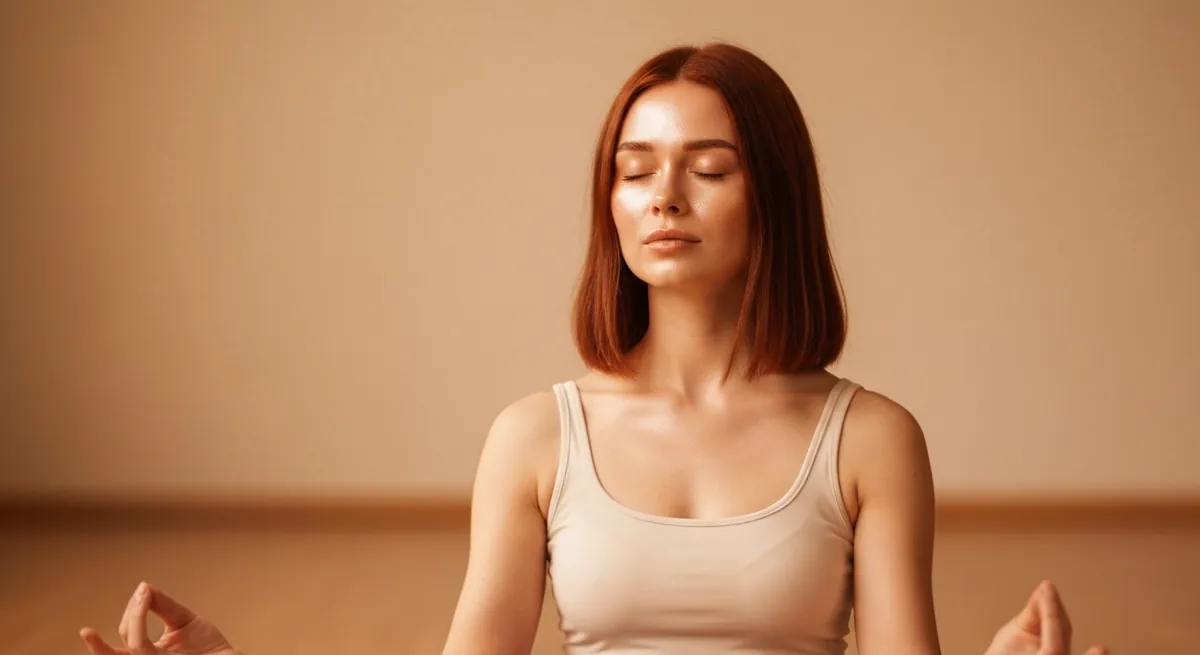
Your skin is an organ that responds directly to your hormones. When you’re stressed, your body produces cortisol. When cortisol stays elevated, your skin suffers. The connection is not metaphorical. It’s biochemical, measurable, and increasingly well-documented.
Meditation can lower cortisol in some groups of people. Whether that changes your skin hasn’t been studied much. Here’s what the research does and doesn’t show.
The Cortisol-Skin Connection
What Cortisol Does to Skin
Cortisol is your primary stress hormone. In short bursts, it’s useful: it mobilizes energy, sharpens focus, and prepares you for action. The problem is chronic elevation. When stress is ongoing and cortisol stays high, the effects on skin are significant:
Increased sebum production. Cortisol stimulates the sebaceous glands to produce more oil. More oil means more clogged pores, more blackheads, and more acne.
Impaired barrier function. Elevated cortisol weakens the skin’s moisture barrier, increasing transepidermal water loss. Your skin becomes drier, more reactive, and less able to defend against environmental irritants.
Increased inflammation. Cortisol has a paradoxical relationship with inflammation. Short-term, it’s anti-inflammatory. Chronic elevation actually promotes inflammation, worsening conditions like acne, rosacea, eczema, and psoriasis.
**Accelerated aging. Long-term stress is thought to affect collagen, but how much it adds to visible aging in people isn’t well measured.
Impaired healing. Elevated cortisol slows wound healing and tissue repair. Acne marks take longer to fade. Post-inflammatory hyperpigmentation lingers.
Triggered flares. Many skin conditions (eczema, psoriasis, rosacea, hives) have stress as a documented trigger. Cortisol activates the inflammatory pathways that drive these conditions.
The Meditation Evidence
Cortisol Reduction
A 2021 meta-analysis found that meditation lowered cortisol in blood tests of people with a physical illness. In saliva studies, the effect was small and not statistically significant (Koncz et al., 2021). These studies measured cortisol, not skin.
Inflammatory Markers
cut. No replacement.
Skin-Specific Studies
In a small 1998 study, 37 people with psoriasis who were already having light treatment (UVB or PUVA) were randomly assigned to listen to a guided mindfulness recording during their sessions, or to have light treatment alone. The group with the recordings reached the study’s halfway and clearing points sooner (Kabat-Zinn et al., 1998). It was one small study, and meditation was used alongside medical treatment, not instead of it. If you have psoriasis, talk to your dermatologist about treatment.
cut. No replacement.
How Meditation Helps Specific Skin Conditions
Acne
Stress is a commonly reported acne trigger, but studies haven’t shown that meditation improves acne. If stress breakouts bother you, meditation is a low-risk habit to try alongside your usual skincare. See a dermatologist for acne that is persistent or scarring.
For topical support, see our guide to Korean products for stress breakouts.
Aging
Researchers haven’t measured whether meditation slows visible skin aging.
Rosacea
Stress is one of the most commonly reported rosacea triggers. Meditation is one way to manage stress, but it hasn’t been tested as a rosacea treatment.
Eczema and Psoriasis
Stress can make both conditions flare. Apart from the small psoriasis study above, there’s little research on meditation for either one.
The Practical Protocol
You don’t need long sessions to start.
**Start small. A few minutes a day is enough to begin, and you can build up if you enjoy it.
Consistency over duration. 10 minutes daily beats 60 minutes once a week. The physiological changes are driven by repeated practice, not marathon sessions.
**Pick a time you’ll stick to. Morning works for some people, evening for others.
Any style works. The research supports multiple meditation styles. Choose whatever you’ll actually do consistently. For beginners, our meditation guide is the starting point.
cut. No replacement.
If stress flares show up as redness, Glow Coded’s Korean skincare routine for rosacea-prone skin covers gentle product choices.
Complementary Practices
Meditation won’t fix skin problems on its own. Think of it as one stress-management habit, alongside sleep, a simple skincare routine and medical care where you need it.
- Sleep quality directly affects cortisol regulation
- Regular movement reduces cortisol through a different mechanism
- Gut health modulates the inflammatory pathways that cortisol activates
- Adaptogens like ashwagandha and rhodiola can pair with meditation to buffer chronic stress
- [Magnesium is sometimes taken for sleep. Check with your doctor first if you take other medicines or have kidney problems.
Meditation is one habit among several, not a skin treatment.
For the topical side of the equation, see How to Fade Dark Spots With K-Beauty on Glow Coded for targeted treatments.
Related reading: K-Beauty Night Routine for Glowing Skin
Related reading: 7 Meditation Techniques Compared: Which Style Fits You — once you have a consistent practice, exploring different techniques deepens both the benefits and your enjoyment