Seed Cycling for Hormone Balance: Does It Actually Work?
Seed cycling examined honestly — the theory behind rotating flax, pumpkin, sesame, and sunflower seeds by cycle phase, what the evidence does and doesn't show, and the real nutritional upside.

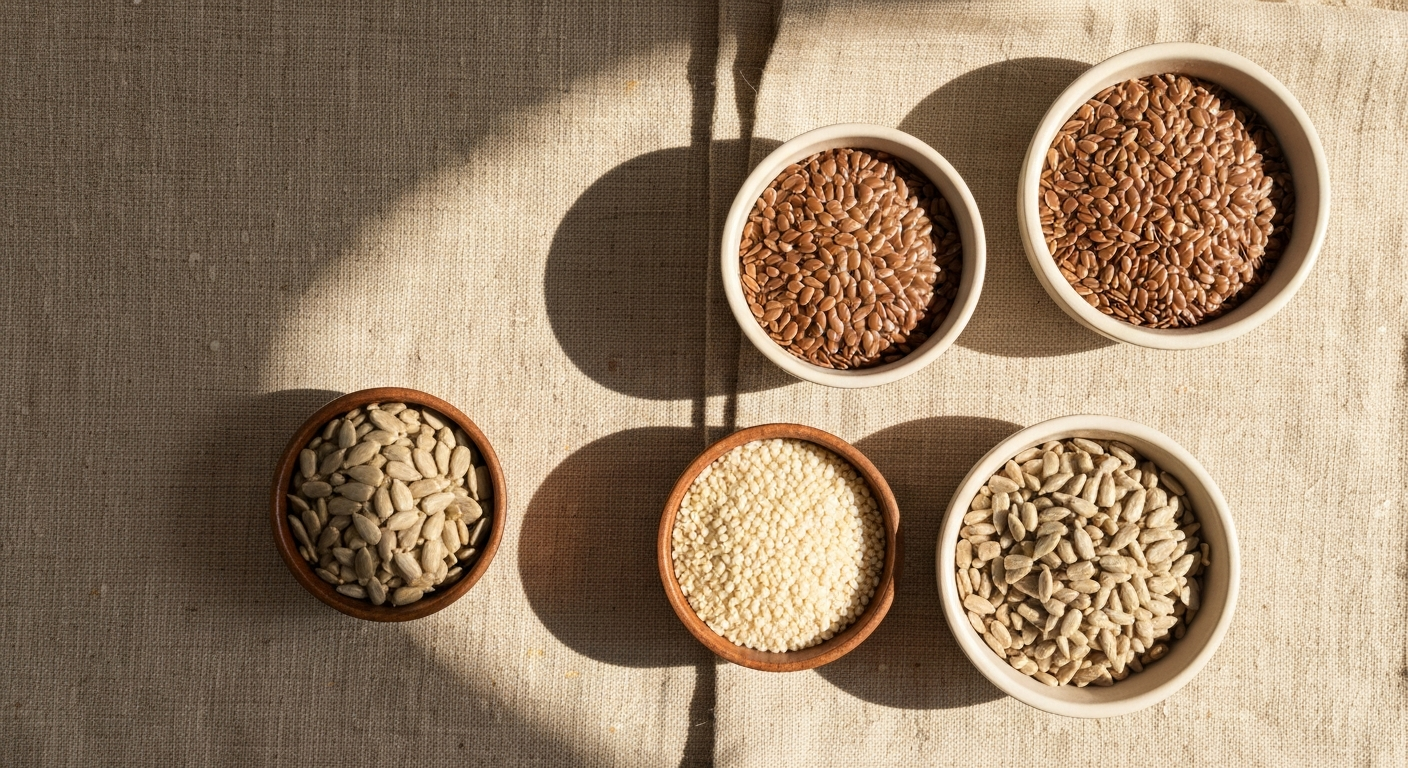
In the ever-evolving landscape of natural health and wellness, new trends and practices emerge regularly, promising pathways to better well-being. One such practice that has garnered significant attention in recent years is seed cycling, a dietary approach aimed at supporting hormone balance through the strategic consumption of specific seeds during different phases of the menstrual cycle. Proponents suggest it can help alleviate symptoms like PMS, irregular periods, and even support fertility. But for those of us who prioritize an evidence-first approach to natural health, the crucial question remains: does seed cycling actually work, or is it another well-intentioned but unproven wellness trend? At Rooted Glow, we believe in exploring these questions with honesty and a commitment to scientific understanding. Let’s dive deep into what seed cycling is, the fascinating theories behind it, what the current evidence reveals, and what realistic expectations we should hold.
What seed cycling is
Seed cycling is a natural health practice that involves consuming specific combinations of seeds during the two main phases of the menstrual cycle: the follicular phase and the luteal phase. The idea is that the unique nutritional profiles of these seeds can provide targeted support to the body’s hormonal systems, promoting a more balanced and regulated cycle.
The practice is typically followed as follows:
- Follicular Phase (Days 1-14, approximately): This phase begins on the first day of your period and lasts until ovulation. During this time, the body is preparing an egg for release, and estrogen levels are naturally rising. The recommended seeds for this phase are flax seeds and pumpkin seeds. You would typically consume 1-2 tablespoons of each, ideally ground, every day.
- Luteal Phase (Days 15-28, approximately): This phase starts after ovulation and continues until the next period. In this phase, progesterone levels rise to prepare the uterus for a potential pregnancy. If pregnancy doesn’t occur, both estrogen and progesterone levels drop, leading to menstruation. The recommended seeds for this phase are sesame seeds and sunflower seeds. Again, the suggested daily intake is 1-2 tablespoons of each, preferably ground.
For those with irregular cycles or who don’t menstruate (e.g., due to menopause or certain medical conditions), seed cycling can still be attempted by following the lunar calendar (new moon to full moon for the follicular phase, full moon to new moon for the luteal phase) or simply by establishing fixed 14-day blocks for each phase. The key is consistency in consuming the right seeds at the right time.
The appeal of seed cycling lies in its simplicity and the use of readily available, wholesome foods. It’s often promoted as a gentle, non-invasive way to address common hormonal imbalances without relying on pharmaceutical interventions.
The theory behind it
The proposed mechanisms by which seed cycling is thought to support hormone balance are rooted in the specific nutrients found in each type of seed and their potential interactions with the endocrine system. While the practice of seed cycling itself lacks direct clinical trial evidence, the individual seeds and their components have been studied for their effects on various physiological processes.
Let’s break down the theoretical roles of each seed:
Follicular Phase (Flax & Pumpkin Seeds):
- Flax Seeds: These tiny powerhouses are rich in lignans, a type of phytoestrogen. Phytoestrogens are plant compounds that can mimic or modulate the effects of estrogen in the body. The theory suggests that during the follicular phase, as estrogen naturally rises, the lignans in flax seeds can bind to estrogen receptors. This binding could potentially help to “modulate” estrogen levels – meaning they might exert a weak estrogenic effect when estrogen is low, or block stronger natural estrogens when levels are too high, thus helping to maintain a healthy balance. Flax seeds are also a good source of alpha-linolenic acid (ALA), an omega-3 fatty acid, which has anti-inflammatory properties that could generally support overall hormonal health.
- Pumpkin Seeds: These seeds are an excellent source of zinc. Zinc plays a crucial role in numerous bodily functions, including hormone production and regulation. In the context of the follicular phase, zinc is theorized to support healthy follicular development (the growth of the egg-containing sacs in the ovaries) and, importantly, to prepare the body for progesterone production in the luteal phase. Zinc is also vital for immune function and overall cellular health, indirectly contributing to a robust endocrine system.
Luteal Phase (Sesame & Sunflower Seeds):
- Sesame Seeds: Like flax seeds, sesame seeds contain lignans (specifically sesamin and sesamolin), which are also phytoestrogens. While flax lignans are often associated with estrogen modulation in the follicular phase, sesame lignans are theorized to play a role in the luteal phase by supporting progesterone production and metabolism. They might help prevent an excess of estrogen relative to progesterone, thereby promoting a more balanced ratio that is crucial for the luteal phase. Sesame seeds are also rich in calcium and magnesium, minerals essential for overall hormonal health and often depleted in women experiencing PMS.
- Sunflower Seeds: These seeds are particularly high in vitamin E and selenium. Vitamin E is a potent antioxidant that is believed to support progesterone production and the health of the corpus luteum (the temporary endocrine gland formed after ovulation that produces progesterone). It may also help alleviate PMS symptoms due to its role in reducing inflammation. Selenium is another important trace mineral with antioxidant properties that supports thyroid function, which is intimately linked to overall hormone balance and metabolism.
In essence, the seed cycling theory proposes a gentle, dietary intervention that provides specific nutrients at specific times to support the body’s innate hormonal rhythms. It’s a holistic approach that leverages the power of whole foods to potentially fine-tune a complex biological system.
| Phase | Seeds | Key Proposed Nutrients | Proposed Action (Theory) |
|---|---|---|---|
| Follicular | Flax Seeds, Pumpkin Seeds | Lignans, ALA (Omega-3), Zinc | Modulate estrogen levels, support follicular development, prime for progesterone production, reduce inflammation. |
| Luteal | Sesame Seeds, Sunflower Seeds | Lignans (Sesamin), Vitamin E, Selenium | Support progesterone production and metabolism, provide antioxidant protection, help maintain estrogen-progesterone balance, support thyroid. |
What the evidence actually shows
This is where Rooted Glow’s commitment to evidence-based wellness truly comes into play. While the theoretical mechanisms behind seed cycling are intriguing, and the individual nutrients found in these seeds are well-researched for their general health benefits, it’s crucial to address the direct scientific evidence for seed cycling as a practice for hormone balance.
The honest truth is that there is essentially no direct clinical trial evidence specifically investigating seed cycling for hormone balance, menstrual cycle regulation, or the alleviation of PMS symptoms. This means that while many individuals report positive experiences with seed cycling, these are largely anecdotal and not yet supported by rigorous scientific studies designed to isolate the effects of this specific regimen.
Most of the “evidence” often cited in support of seed cycling comes from studies on the individual components of the seeds, not the combined practice of rotating them through the cycle. For example:
- Flax Seeds: There is research showing that flax lignans can have an impact on estrogen metabolism. Some studies, particularly in postmenopausal women, have explored flaxseed consumption for reducing hot flashes and improving lipid profiles. For instance, a review published in Integrative Cancer Therapies noted that flaxseed lignans have shown promise in modulating estrogen levels and potentially reducing breast cancer risk, particularly due to their ability to bind to estrogen receptors and be converted into enterolignans. However, these studies typically involve specific doses of flaxseed in specific populations (e.g., menopausal women, or those with specific health conditions) and do not investigate the cyclical consumption of flax with other seeds in premenopausal women for cycle regulation.
- Zinc: Numerous studies confirm zinc’s essential role in reproductive health, fertility, and hormone synthesis for both men and women. Zinc deficiency can indeed impact menstrual health and ovarian function. However, this doesn’t directly translate to the idea that consuming pumpkin seeds cyclically will “balance” hormones in a healthy individual or resolve specific imbalances.
- Vitamin E: Research has explored vitamin E’s potential to alleviate PMS symptoms, such as breast tenderness and anxiety, likely due to its antioxidant and anti-inflammatory properties. Some studies also suggest it plays a role in corpus luteum function and progesterone production. Again, these studies typically look at vitamin E supplementation or general dietary intake, not specifically sunflower seeds consumed during the luteal phase as part of a seed cycling protocol.
- Lignans (general): The broader understanding of phytoestrogens and their ability to weakly bind to estrogen receptors is well-established. This forms the theoretical basis for how seeds could influence hormone levels. However, the precise impact of these weak phytoestrogens from seeds on the complex, dynamic hormonal fluctuations of a healthy menstrual cycle, especially when consumed cyclically, remains unproven.
Why the lack of direct evidence?
Conducting studies on dietary interventions like seed cycling is complex. It requires large cohorts, consistent adherence, and careful control for numerous confounding variables (diet, lifestyle, stress, genetics, other supplements). Furthermore, funding for such studies can be challenging to secure when compared to pharmaceutical research.
The human endocrine system is incredibly intricate, with hormones interacting in a delicate balance influenced by diet, stress, sleep, exercise, environmental toxins, and genetics. While it’s plausible that nutrient-rich foods could support this system, the specific, targeted hormone-balancing claims of seed cycling require more than plausible theory; they require direct clinical validation.
What does this mean for you?
It means that while seed cycling is a popular and intriguing practice, it should not be viewed as a proven medical intervention for hormone imbalance. If you are experiencing significant hormonal issues, irregular periods, severe PMS, or fertility challenges, it is crucial to consult with a healthcare professional for diagnosis and evidence-based treatment. Relying solely on unproven dietary practices could delay access to effective care.
The real nutritional upside of the seeds
Despite the current lack of direct evidence for seed cycling’s hormone-balancing claims, it’s vital not to throw the baby out with the bathwater. The seeds involved in this practice – flax, pumpkin, sesame, and sunflower – are nutritional powerhouses in their own right, offering a wealth of benefits that are well-supported by scientific research. Incorporating them into your diet, whether you follow the cycling protocol or not, is a genuinely healthy choice.
Let’s look at the proven nutritional benefits of each:
-
Flax Seeds:
- Rich in Omega-3 Fatty Acids (ALA): Flax seeds are one of the best plant-based sources of alpha-linolenic acid (ALA), an essential omega-3 fatty acid crucial for heart health, reducing inflammation, and supporting brain function.
- High in Fiber: Both soluble and insoluble fiber are abundant in flax seeds. This supports digestive health, promotes satiety, helps regulate blood sugar, and can contribute to healthy cholesterol levels.
- Lignans: Beyond their potential hormonal role, flax lignans are potent antioxidants that may offer protection against certain cancers and contribute to cardiovascular health.
- Vitamins and Minerals: They provide magnesium, phosphorus, and B vitamins.
-
Pumpkin Seeds:
- Excellent Source of Zinc: As mentioned, zinc is critical for immune function, wound healing, and DNA synthesis. Many people are deficient in this important mineral.
- Rich in Magnesium: Magnesium is involved in over 300 biochemical reactions in the body, including muscle and nerve function, blood glucose control, and blood pressure regulation. It’s often called the “relaxation mineral.”
- Antioxidants: Pumpkin seeds contain a variety of antioxidants, including carotenoids and vitamin E, which help protect cells from damage by free radicals.
- Healthy Fats: They provide monounsaturated and polyunsaturated fats that are beneficial for heart health.
-
Sesame Seeds:
- Good Source of Calcium: Especially important for bone health, sesame seeds offer a plant-based source of calcium, along with magnesium and phosphorus.
- Copper and Manganese: These trace minerals are essential for enzyme function, antioxidant defense, and bone health.
- Lignans (Sesamin & Sesamolin): Beyond their theoretical hormone-modulating effects, sesame lignans are powerful antioxidants that may help lower cholesterol and blood pressure.
- Fiber and Healthy Fats: Like other seeds, they contribute to digestive health and provide beneficial fatty acids.
-
Sunflower Seeds:
- Packed with Vitamin E: Sunflower seeds are one of the richest sources of vitamin E, a fat-soluble antioxidant that protects cell membranes from oxidative damage, supports immune function, and promotes healthy skin.
- Selenium: This trace mineral is vital for thyroid hormone metabolism, antioxidant defense, and immune function.
- Magnesium and B Vitamins: They provide a good amount of magnesium, as well as several B vitamins (especially folate and B6), which are important for energy metabolism and nerve function.
- Phytosterols: These plant compounds may help lower cholesterol levels.
Incorporating a diverse range of seeds into your daily diet is an excellent strategy for boosting your intake of fiber, healthy fats, vitamins, minerals, and antioxidants. These nutrients collectively support overall health, including cardiovascular function, digestive regularity, immune strength, and cellular protection. Even if seed cycling doesn’t directly “balance” your hormones in the way some claim, consuming these seeds regularly will undoubtedly contribute to a healthier, more vibrant you. Think of it as a delicious and easy way to add valuable nutrition to your plate, regardless of its specific impact on your endocrine system.
How to try it (if you want to)
Given the low risk and high nutritional value of the seeds involved, trying seed cycling can be a beneficial dietary addition, even if the direct hormone-balancing claims remain unproven. If you’re curious and want to incorporate these nutrient-dense seeds into your routine, here’s a practical guide:
1. Determine Your Cycle Phase:
- Regular Cycles: Start on Day 1 of your period (the first day of full flow). This marks the beginning of your follicular phase.
- Irregular Cycles/No Cycle (e.g., amenorrhea, post-menopause): You can use the lunar calendar as a guide. The new moon marks the beginning of your “follicular phase,” and the full moon marks the beginning of your “luteal phase.” Alternatively, simply choose a starting day and follow 14-day blocks for each phase. This still allows you to enjoy the nutritional rotation.
2. Gather Your Seeds:
- Follicular Phase: Flax seeds and pumpkin seeds.
- Luteal Phase: Sesame seeds and sunflower seeds.
- Quality Matters: Opt for organic, raw, unsalted seeds whenever possible. Store them in airtight containers in a cool, dark place, or even in the refrigerator or freezer, to prevent rancidity, especially for flax seeds due to their delicate omega-3s.
3. Grind Your Seeds:
- Crucial Step: It is essential to grind the seeds just before consumption. Whole seeds, especially flax and sesame, can pass through the digestive system largely undigested, meaning you won’t absorb their full nutritional benefits.
- Tools: Use a coffee grinder, a small food processor, or a mortar and pestle.
- Batch Grinding (with caution): While fresh grinding is best, you can grind a few days’ worth of seeds and store them in an airtight container in the fridge to save time. However, consume them quickly as their delicate oils can oxidize once exposed to air.
4. Daily Dosage:
- Consume 1-2 tablespoons of each seed (so, 2-4 tablespoons total per day) for the current phase.
- For example, during the follicular phase, you’d have 1-2 tbsp of ground flax and 1-2 tbsp of ground pumpkin seeds daily.
5. How to Incorporate Them:
The beauty of ground seeds is their versatility. They have a mild flavor and can be easily added to various foods:
- Smoothies: A popular choice for quick and easy consumption.
- Yogurt or Oatmeal: Stir them into your morning bowl.
- Salads: Sprinkle over your greens for added crunch and nutrition.
- Soups: Stir them in just before serving.
- Baked Goods: Incorporate into muffins, breads, or energy balls.
- Toast: Mix with a little nut butter and spread on toast.
6. Consistency is Key (for the practice):
If you’re trying seed cycling with the intention of supporting your cycle, aim for daily consumption. Missing a day here or there isn’t the end of the world, but consistent intake is what the theory suggests is necessary for any potential impact.
7. Listen to Your Body:
Pay attention to how you feel. While the direct hormone-balancing effects are unproven, the increased nutrient intake might lead to subtle improvements in digestion, energy levels, or overall well-being. These are valuable benefits in themselves.
Important Note: Seed cycling is a dietary approach, not a medical treatment. If you have underlying health conditions, allergies to seeds, or are on medications, especially hormone-related ones, consult with your healthcare provider before making significant dietary changes.
Frequently Asked Questions
How long does it take to see results from seed cycling?
Since direct scientific evidence for seed cycling’s hormone-balancing effects is lacking, there’s no official timeline for “results.” Anecdotal reports vary widely, with some individuals claiming to notice subtle shifts within one to two cycles, while others report it taking three to six months, or not at all. If you’re trying seed cycling, it’s realistic to commit to at least 2-3 full cycles (roughly 2-3 months) to observe any potential subtle changes in your body, keeping in mind these might be due to general improved nutrition rather than specific hormone modulation. Be patient and keep realistic expectations.
Can men or postmenopausal women try seed cycling?
Absolutely, and it’s a great idea for the nutritional benefits! While the hormone-balancing claims of seed cycling are specifically tied to the menstrual cycle, the seeds themselves are incredibly healthy for everyone. Men can benefit from the omega-3s in flax, the zinc in pumpkin, and the antioxidants in all these seeds for general health, prostate health, and cardiovascular well-being. Postmenopausal women can also benefit from these nutrient-dense seeds, especially flax lignans which have been studied for their potential to help with menopausal symptoms like hot flashes and to support bone density. For men and postmenopausal women, the “cycling” aspect is less about regulating a specific hormonal rhythm and more about ensuring a diverse intake of these beneficial seeds throughout the month. They can follow the lunar calendar or simply rotate the seed pairs every two weeks.
Do I need to buy organic seeds for seed cycling?
While not strictly mandatory, opting for organic seeds is generally recommended when possible. Organic certification ensures that the seeds are grown without synthetic pesticides, herbicides, or genetically modified organisms (GMOs). This can mean a cleaner product and potentially higher nutrient density, though research on nutrient differences between organic and conventional produce is mixed. More importantly, regardless of organic status, always prioritize fresh, raw, unsalted seeds. The quality and freshness of the seeds are paramount for maximizing their nutritional value and preventing rancidity, especially for the delicate omega-3s in flax. Storing them properly (refrigerated or frozen) is also key.
What if I miss a day or a few days of seed cycling?
Don’t stress about it! Life happens, and perfect adherence to any dietary practice can be challenging. If you miss a day or even a few days of your seed cycling, simply pick up where you left off. There’s no need to try and “catch up” by doubling your dose. The goal is consistent, long-term incorporation of these healthy seeds into your diet. The benefits you’ll gain from regularly consuming these nutrient-rich foods far outweigh the impact of an occasional missed day. Just resume your current phase’s seeds and continue as planned.
Verdict
Seed cycling is an intriguing and popular natural wellness practice that proposes to support hormone balance through the cyclical consumption of specific seeds. The theory behind it, linking the lignans, zinc, vitamin E, and other nutrients in flax, pumpkin, sesame, and sunflower seeds to specific hormonal functions, is biologically plausible and well-articulated.
However, as an evidence-minded platform, Rooted Glow must emphasize that direct, robust scientific evidence from clinical trials demonstrating seed cycling’s efficacy for hormone balance, menstrual cycle regulation, or alleviation of PMS symptoms is currently lacking. The supporting evidence largely comes from studies on individual seed components and their general health benefits, not the specific combined, cyclical protocol.
This does not mean seed cycling is without merit. Quite the contrary. The seeds themselves – flax, pumpkin, sesame, and sunflower – are nutritional powerhouses. They are rich in fiber, healthy fats (including beneficial omega-3s), essential vitamins (like E and B vitamins), and vital minerals (such as zinc, magnesium, calcium, and selenium). Incorporating these seeds into your daily diet, whether you follow the cycling protocol or not, is a fantastic way to boost your overall nutrient intake, support digestive health, reduce inflammation, and contribute to general well-being.
Therefore, our verdict at Rooted Glow is nuanced:
- As a targeted hormone-balancing intervention, seed cycling is currently unproven. If you’re struggling with significant hormonal issues, please consult a healthcare professional for evidence-based diagnosis and treatment.
- As a nutrient-dense dietary habit, seed cycling is a low-risk, potentially beneficial addition to your wellness routine. It encourages the regular consumption of wholesome foods that offer a plethora of established health benefits, which can indirectly support overall physiological function, including your endocrine system.
Think of seed cycling as a delicious, easy way to enrich your diet with diverse, valuable nutrients. It aligns with a holistic approach to health that emphasizes nourishing the body with whole foods, supporting metabolic processes, and managing lifestyle factors. When combined with other foundational wellness practices like adequate sleep, stress management, and regular movement – all of which profoundly impact hormonal health, as we discuss in our article on the sleep-stress-skin wellness triangle – incorporating these seeds can contribute to a more vibrant you. While we await more direct research on seed cycling’s specific hormonal effects, embracing these seeds for their undeniable nutritional value is a choice you can feel good about. It’s one piece of a larger puzzle that includes eating well, managing stress (perhaps with some adaptogens that actually work), and living in tune with your body’s needs.