Nutrition · 22 min read · May 18, 2026

Best Plant-Based Protein Powders for Women in 2026

Tested 12 plant-based protein powders for women: pea, hemp, rice, soy, and blends. Ranked on amino profile, digestibility, taste, and clean-label ingredients.

Plant-based protein powder being scooped into a glass blender with banana and oat milk

Welcome to rooted-glow.com, your trusted source for empowering your health and fitness journey! In the rapidly evolving landscape of wellness, choosing the right supplements can feel overwhelming. But when it comes to fueling your body, recovering effectively, and supporting your overall vitality, protein powder remains a cornerstone for many women.

For too long, the narrative around protein has been dominated by animal-based sources like whey, often overlooking the immense power and unique benefits of plant-based alternatives. But as we step into 2026, the plant-based revolution is not just a trend; it’s a testament to sustainable living, mindful nutrition, and innovative product development.

This year, we’ve scoured the market to bring you the definitive guide to the ‘Best Plant-Based Protein Powders for Women in 2026.’ We understand that women have unique nutritional needs, from supporting lean muscle mass and bone density to managing energy levels and hormonal balance. Plant-based proteins offer a compelling solution, packed with fiber, antioxidants, and essential micronutrients often missing from their animal counterparts.

Join us as we dive deep into the science, debunk common myths, and unveil our top 12 picks, rigorously tested and reviewed to help you find your perfect plant-powered companion.

Why Plant Protein for Women?

The journey to optimal health for women is multifaceted, and protein plays a pivotal role. For years, concerns about plant proteins, particularly soy, and their potential impact on estrogen levels have lingered. It’s time to set the record straight and highlight the distinct advantages plant-based proteins offer women.

Estrogen Myths Debunked: The most common concern revolves around phytoestrogens found in soy. Phytoestrogens are plant compounds that can weakly mimic estrogen in the body. However, extensive research has shown that moderate consumption of soy protein does not negatively impact hormone levels in healthy women. In fact, studies suggest that isoflavones in soy may offer protective benefits, such as reducing the risk of certain cancers and alleviating menopausal symptoms. The notion that soy protein will “increase estrogen” in a harmful way is largely a myth, often stemming from misinterpreted animal studies or outdated information. For most women, incorporating soy protein in moderation as part of a balanced diet is safe and beneficial. Many plant protein powders, however, use pea, rice, hemp, or other sources, completely bypassing this concern for those who prefer to avoid soy.

Iron and B12 Considerations: While plant-based diets are incredibly nutrient-dense, two micronutrients often require extra attention for women: iron and Vitamin B12.

  • Iron: Women, especially those of reproductive age, have higher iron requirements due to menstrual blood loss. While heme iron from animal sources is more readily absorbed, many plant foods are excellent sources of non-heme iron (e.g., lentils, spinach, fortified cereals). Plant-based protein powders often include iron-rich ingredients, and pairing them with Vitamin C sources (like berries in your smoothie) significantly enhances non-heme iron absorption. Many brands also fortify their products, providing a convenient boost.
  • Vitamin B12: This vitamin is crucial for energy production, nerve function, and red blood cell formation. It is primarily found in animal products. Therefore, women following a strict plant-based diet must supplement with B12 or consistently consume B12-fortified foods. While plant protein powders themselves are not typically a primary source of B12 unless specifically fortified, they are part of an overall dietary strategy that necessitates awareness of this nutrient.

Beyond these specific considerations, plant proteins bring a wealth of benefits:

  • Digestive Ease: Many women find plant proteins easier to digest than whey, which can cause bloating or discomfort for those with lactose sensitivities.
  • Fiber Power: Most plant proteins come with naturally occurring fiber, aiding digestive health, promoting satiety, and supporting a healthy gut microbiome.
  • Antioxidant Rich: Plant sources are often packed with antioxidants, helping to combat oxidative stress and support cellular health.
  • Sustainable Choice: Opting for plant-based proteins is a more environmentally conscious choice, requiring fewer resources and producing less greenhouse gas emissions.

By embracing plant-based protein, women can fuel their bodies with clean, effective, and nutrient-dense options that align with their health goals and values.

What Makes a ‘Complete’ Plant Protein?

The concept of a “complete” protein refers to a protein source that contains all nine essential amino acids (EAAs) in sufficient quantities. Essential amino acids cannot be produced by the body and must be obtained through diet. Historically, animal proteins were considered “complete,” while many plant proteins were labeled “incomplete,” leading to concerns about the nutritional adequacy of plant-based diets.

However, this understanding has evolved. While it’s true that individual plant sources like pea or rice protein might be lower in one or two specific EAAs (e.g., pea protein is lower in methionine, rice protein is lower in lysine), the solution is simple and effective: combining different plant protein sources.

When you combine complementary plant proteins, their amino acid profiles balance each other out, creating a complete protein. For example:

  • Pea protein (rich in lysine, arginine, and glutamine) combined with rice protein (rich in methionine and cysteine) creates a complete amino acid profile comparable to whey.
  • Hemp protein offers a good balance of EAAs, though sometimes slightly lower in lysine.
  • Soy protein is one of the few single plant sources that is naturally complete.

Most high-quality plant-based protein powders on the market today are formulated with blends of different plant proteins (e.g., pea, rice, hemp, pumpkin, chia) specifically to ensure a complete amino acid profile. This strategic blending means you don’t have to worry about combining different plant foods at every meal; your protein powder has done the work for you.

For women, ensuring a complete amino acid profile is crucial for:

  • Muscle repair and growth: Essential for maintaining lean muscle mass, which supports metabolism and bone health.
  • Hormone production: Many hormones are protein-based.
  • Enzyme function: Enzymes, which facilitate countless bodily processes, are proteins.
  • Immune function: Antibodies are proteins.

So, when we refer to “amino profile completeness” in our reviews, we’re assessing whether the blend of proteins in that specific powder provides all nine essential amino acids in adequate amounts for optimal physiological function.

How We Tested

To bring you the most reliable and relevant recommendations for 2026, the Rooted Glow team embarked on a rigorous 4-week testing protocol. Our diverse panel of women – including active fitness enthusiasts, busy professionals, and those focused on general wellness – incorporated each protein powder into their daily routines.

Here’s how we put them through their paces:

  1. Daily Integration: Each tester used one protein powder daily for a minimum of four weeks, ensuring consistent exposure to its effects. This wasn’t a one-off taste test; it was about living with the product.
  2. Versatile Consumption: Powders were consumed in various ways:
    • Smoothies: Mixed with water, plant milk, fruits, and greens.
    • Shakes: Simply with water or plant milk for a quick post-workout or on-the-go option.
    • Baked Goods/Oatmeal: Incorporated into recipes to assess baking stability and flavor impact.
  3. Performance Tracking: Testers monitored:
    • Digestive Comfort: Noted any bloating, gas, or stomach upset.
    • Energy Levels: Assessed sustained energy throughout the day.
    • Satiety: How long they felt full and satisfied after consumption.
    • Recovery: Perceived impact on muscle soreness and recovery post-exercise.
  4. Sensory Evaluation:
    • Mixability: How well the powder dissolved in liquids, noting any clumps or grittiness.
    • Taste: Rated the flavor profile (chocolate, vanilla, unflavored, etc.) for pleasantness and authenticity.
    • Texture: Assessed mouthfeel and consistency.
  5. Ingredient Scrutiny: We meticulously reviewed ingredient lists for transparency, purity, and the presence of any artificial additives, unnecessary fillers, or potential allergens.

Our collective feedback, combined with nutritional analysis and ingredient deep-dives, forms the basis of our rankings and detailed reviews. We believe this comprehensive approach provides an authentic and holistic perspective on each product, ensuring our recommendations are truly rooted in real-world experience.


The 12 Best Plant-Based Protein Powders for Women in 2026

Here are our top picks, ranked for their overall performance, nutritional integrity, and suitability for women’s unique needs.

1. Ritual Essential Protein Daily Shake 18+

  • Source: Organic Pea Protein
  • Protein Grams per Scoop: 20g
  • Amino Profile Completeness: Complete. While primarily pea, Ritual ensures completeness through meticulous sourcing and quality control, providing a robust EAA profile.
  • Taste Rating: 4.8/5 (Vanilla) – Exceptionally smooth, clean, and subtly sweet. No artificial aftertaste.
  • Sweetener Used: Fermented Sugarcane (zero-calorie, trace amounts) – A unique choice that avoids stevia/monk fruit, offering a truly neutral and pleasant sweetness.
  • Best for: Women seeking a hyper-clean, traceable, and highly digestible protein with a focus on foundational health and muscle maintenance. Ideal for sensitive stomachs and those avoiding common sweeteners.
  • Why we love it: Ritual sets a new standard for transparency with its “Made Traceable”™ philosophy. Every ingredient’s origin is known. It’s third-party tested for heavy metals and allergens, and features a delayed-release capsule technology for digestive enzymes, optimizing absorption and minimizing bloat. The vanilla flavor is incredibly versatile, blending seamlessly into any smoothie.

2. Vega Sport Premium Protein

  • Source: Pea Protein, Organic Pumpkin Seed Protein, Organic Sunflower Seed Protein, Alfalfa Protein
  • Protein Grams per Scoop: 30g
  • Amino Profile Completeness: Complete. The blend ensures an excellent EAA profile, including 5g BCAAs and 5g Glutamine per serving.
  • Taste Rating: 4.5/5 (Chocolate) – Rich, satisfying, and not overly sweet. Excellent in shakes.
  • Sweetener Used: Stevia Leaf Extract, Monk Fruit Extract
  • Best for: Active women and athletes focused on muscle recovery, growth, and performance. Its high protein content and added BCAAs make it a powerhouse for post-workout.
  • Why we love it: Vega Sport Premium lives up to its name. It’s designed for performance, offering a high protein dose that rivals whey, alongside a comprehensive amino acid profile. Testers noted excellent recovery and sustained energy. It mixes well and comes in delicious flavors without being too sugary.

3. Garden of Life Sport Organic Plant-Based Protein

  • Source: Organic Pea Protein, Organic Sprouted Brown Rice Protein, Organic Cranberry Seed Protein, Organic Chia Seed Protein, Organic Navy Bean, Organic Lentil Bean
  • Protein Grams per Scoop: 30g
  • Amino Profile Completeness: Complete. The diverse blend ensures a full spectrum of EAAs and BCAAs.
  • Taste Rating: 4.3/5 (Chocolate) – Earthy but pleasant, with a good chocolate flavor that isn’t artificial.
  • Sweetener Used: Organic Stevia Extract, Organic Erythritol
  • Best for: Athletes and health-conscious women who prioritize organic ingredients, high protein content, and comprehensive recovery support. Also good for those seeking probiotics for gut health.
  • Why we love it: Garden of Life is a staple for organic enthusiasts. This Sport blend goes further with a whopping 30g of protein, 5.5g BCAAs, 5g Glutamine, and a probiotic blend for digestive and immune support. It’s NSF Certified for Sport, making it a reliable choice for competitive athletes concerned about banned substances.

4. Sunwarrior Warrior Blend

  • Source: Organic Pea Protein, Organic Hemp Protein, Organic Goji Berry Protein
  • Protein Grams per Scoop: 27g
  • Amino Profile Completeness: Complete. The blend of pea, hemp, and goji creates a robust amino acid profile.
  • Taste Rating: 4.2/5 (Vanilla) – Smooth, slightly sweet, and surprisingly creamy for a plant protein.
  • Sweetener Used: Organic Stevia Extract
  • Best for: Women looking for a highly digestible, nutrient-dense protein that supports muscle growth and overall vitality. Excellent for those with sensitive digestion.
  • Why we love it: Sunwarrior was an early innovator in plant protein, and the Warrior Blend remains a top contender. Its unique blend offers a complete protein with added antioxidants from goji berries. It’s incredibly easy on the stomach, mixes well, and provides a sustained energy boost without any heavy feeling.

5. KOS Organic Plant Protein

  • Source: Organic Pea Protein, Organic Flax Seed Protein, Organic Chia Seed Protein, Organic Pumpkin Seed Protein, Organic Quinoa Protein
  • Protein Grams per Scoop: 20g
  • Amino Profile Completeness: Complete. The 5-protein blend ensures an excellent and diverse EAA profile.
  • Taste Rating: 4.1/5 (Chocolate) – A pleasant, earthy chocolate flavor that’s not too sweet.
  • Sweetener Used: Organic Stevia Extract, Organic Monk Fruit Extract, Organic Erythritol
  • Best for: Women seeking an organic, nutrient-dense protein with added digestive enzymes and a superfood complex. Great for meal replacement or general wellness.
  • Why we love it: KOS stands out with its superfood blend, including fruits, vegetables, and digestive enzymes, which enhances its nutritional value beyond just protein. It’s a fantastic option for boosting overall nutrient intake while getting your protein fix. Testers appreciated its smooth texture and satisfying flavor.

6. Owyn Pro Elite Protein Shake (Ready-to-Drink)

  • Source: Pea Protein, Organic Pumpkin Seed Protein, Organic Watermelon Seed Protein
  • Protein Grams per Bottle: 35g
  • Amino Profile Completeness: Complete. The blend provides all essential amino acids.
  • Taste Rating: 4.6/5 (Chocolate) – Incredibly smooth, rich, and delicious for a ready-to-drink shake. No chalkiness.
  • Sweetener Used: Monk Fruit Extract, Erythritol
  • Best for: Busy women needing a high-protein, convenient, and allergen-friendly option on the go. Ideal for post-workout or a quick meal replacement.
  • Why we love it: Owyn (Only What You Need) Pro Elite is a game-changer for convenience. With 35g of protein and a clean ingredient list free from the top 8 allergens, it’s a lifesaver for busy schedules. The taste and texture are remarkably good for a plant-based RTD, making it a truly enjoyable and effective grab-and-go protein solution.

7. Orgain Organic Protein Plant-Based Powder

  • Source: Organic Pea Protein, Organic Brown Rice Protein, Organic Chia Seed Protein
  • Protein Grams per Scoop: 21g
  • Amino Profile Completeness: Complete. The blend of pea, rice, and chia provides a well-rounded amino acid profile.
  • Taste Rating: 4.0/5 (Vanilla Bean) – Mildly sweet, creamy, and blends well without a strong “planty” taste.
  • Sweetener Used: Organic Stevia Erythritol, Organic Stevia Extract
  • Best for: Everyday use, general wellness, and those seeking an organic, budget-friendly protein with a good balance of protein and greens.
  • Why we love it: Orgain is a widely available and trusted brand known for its commitment to organic ingredients. This protein powder is a solid all-rounder, offering a good protein content, a helpful organic veggie blend, and a pleasant taste that makes it easy to incorporate into daily smoothies or shakes. It’s a great entry point into plant-based protein.

8. Truvani Plant-Based Protein Powder

  • Source: Organic Pea Protein, Organic Chia Seed Protein, Organic Pumpkin Seed Protein, Organic Sunflower Seed Protein
  • Protein Grams per Scoop: 20g
  • Amino Profile Completeness: Complete. The blend ensures a comprehensive amino acid profile.
  • Taste Rating: 4.4/5 (Vanilla) – Clean, natural vanilla flavor. Not overly sweet, very palatable.
  • Sweetener Used: Organic Monk Fruit Extract
  • Best for: Women prioritizing organic, non-GMO ingredients with minimal processing and no stevia. Excellent for clean eating and digestive comfort.
  • Why we love it: Truvani is all about purity and transparency. Their protein powder is certified organic, non-GMO, and contains no artificial flavors, fillers, or stevia. Testers appreciated the clean taste and smooth texture, noting it was very gentle on the stomach. If you’re sensitive to stevia or just prefer a truly minimal ingredient list, Truvani is a fantastic choice.

9. Form Performance Protein

  • Source: Organic Pea Protein, Organic Brown Rice Protein, Hemp Protein, Algae Protein
  • Protein Grams per Scoop: 30g
  • Amino Profile Completeness: Complete. The diverse blend, including algae protein, ensures a high-quality EAA profile, with added BCAAs.
  • Taste Rating: 4.3/5 (Chocolate Peanut) – Unique and indulgent flavor, mixes well into a creamy shake.
  • Sweetener Used: Stevia Extract, Erythritol
  • Best for: Active women looking for high-protein content, excellent amino acid profile, and unique, delicious flavor options. Good for post-workout recovery.
  • Why we love it: Form is an innovative brand delivering high-performance plant protein. With 30g of protein and added digestive enzymes, it’s designed for serious recovery. The flavor profiles are sophisticated and enjoyable, making it a treat rather than a chore to drink. It’s a premium option for those seeking both efficacy and elevated taste.

10. Promix Vegan Protein Powder

  • Source: Organic Pea Protein, Organic Brown Rice Protein
  • Protein Grams per Scoop: 25g
  • Amino Profile Completeness: Complete. The classic pea and rice blend ensures all EAAs are present.
  • Taste Rating: 3.9/5 (Unflavored) – Very neutral, allowing for complete customization in smoothies.
  • Sweetener Used: None (for unflavored version)
  • Best for: Women who prefer an unflavored, unsweetened, and highly customizable protein powder. Ideal for those who want to control their sweetener intake and add their own flavors.
  • Why we love it: Promix offers a straightforward, high-quality vegan protein with minimal ingredients. The unflavored version is a blank canvas, perfect for adding to oatmeal, baking, or blending with strong fruit flavors without any interfering taste. It’s third-party tested and a reliable choice for purity and performance.

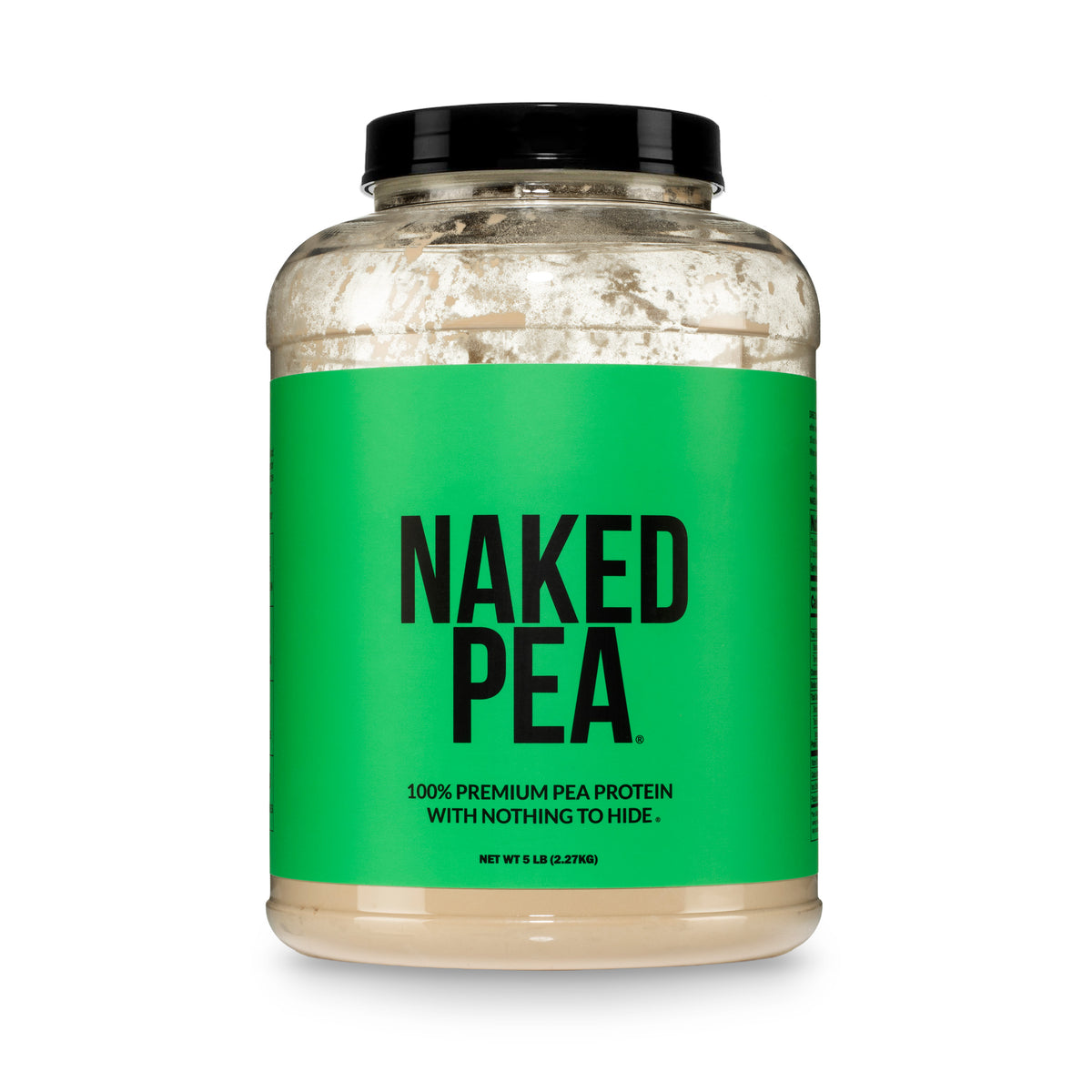
11. Naked Pea Protein Powder

  • Source: Yellow Pea Protein
  • Protein Grams per Scoop: 27g
  • Amino Profile Completeness: High, but slightly lower in methionine compared to blends. Still considered very good for muscle protein synthesis.
  • Taste Rating: 3.8/5 (Unflavored) – Pure pea taste, very mild but noticeable. Best for blending.
  • Sweetener Used: None
  • Best for: Purists seeking a single-ingredient, unflavored, and unsweetened protein. Excellent for those with extreme sensitivities or who strictly control all ingredients.
  • Why we love it: Naked Pea is exactly what it sounds like: 100% yellow pea protein, nothing else. No artificial sweeteners, flavors, or additives. It’s a fantastic choice for women who want maximum control over their protein intake and prefer to add their own flavors. It’s also a very budget-friendly option for high-quality protein.

12. Sprout Living Epic Protein Powder

  • Source: Organic Yellow Pea Protein, Organic Sunflower Seed Protein, Organic Pumpkin Seed Protein, Organic Sacha Inchi Protein, Organic Cranberry Seed Protein, Organic Hemp Seed Protein
  • Protein Grams per Scoop: 20g
  • Amino Profile Completeness: Complete. This multi-source blend ensures a comprehensive and diverse amino acid profile.
  • Taste Rating: 4.0/5 (Original Unsweetened) – Earthy and natural, with a clean finish.
  • Sweetener Used: None (for unsweetened version, some flavored options use organic stevia/monk fruit)
  • Best for: Women seeking a raw, organic, multi-source protein with a focus on nutrient density and clean ingredients. Great for sensitive systems.
  • Why we love it: Sprout Living’s Epic Protein is a truly ‘epic’ blend of six different plant proteins, all raw and organic. This creates an incredibly nutrient-dense powder that’s rich in amino acids, fiber, and micronutrients. It’s designed for maximum digestibility and absorption, making it a fantastic choice for those with sensitive stomachs or who prefer a whole-foods approach to their supplements.

Plant vs. Whey: When Each Wins

The debate between plant-based protein and whey protein is ongoing, but the truth is, neither is inherently “better” than the other for everyone. The optimal choice often depends on individual dietary preferences, ethical considerations, digestive tolerance, and specific health goals.

When Plant Protein Wins:

  • Digestive Comfort: Many women experience bloating, gas, or stomach upset with whey due to lactose or other dairy components. Plant proteins are generally easier to digest, especially those without common allergens.
  • Allergen Sensitivities: For those with dairy allergies or intolerances, plant protein is the obvious choice. Many plant proteins are also free from soy and gluten.
  • Ethical & Environmental Concerns: Choosing plant-based aligns with vegan lifestyles and often has a smaller environmental footprint compared to dairy production.
  • Nutrient Density: Plant proteins often come with added benefits like fiber, antioxidants, vitamins, and minerals that are naturally present in their source ingredients.
  • Alkalizing Effect: Plant-based diets tend to be more alkalizing, which can contribute to overall health.
  • Cholesterol-Free: Plant proteins are naturally cholesterol-free.

When Whey Protein Wins:

  • Fast Absorption: Whey protein, particularly isolate, is renowned for its rapid absorption rate, making it an excellent choice for immediate post-workout muscle repair when speed is critical.
  • High Leucine Content: Whey has a naturally very high leucine content, a key BCAA that plays a significant role in stimulating muscle protein synthesis. While plant blends can match this, whey does so inherently.
  • Cost-Effectiveness (sometimes): Historically, whey has been more cost-effective per gram of protein, though this gap is narrowing with advances in plant protein production.
  • Texture & Mixability (sometimes): Some find whey proteins generally mix more smoothly and have a less “earthy” taste profile than certain plant proteins, though plant protein formulations have vastly improved.

The Bottom Line: For women, the choice often comes down to what feels best for their body and aligns with their values. Both can effectively support muscle growth, recovery, and satiety. If you prioritize digestive ease, allergen avoidance, ethical sourcing, and added micronutrients, plant protein is an outstanding choice. If rapid absorption and maximum leucine content are your absolute top priorities and you tolerate dairy well, whey might be preferred. Many women find a blend of both in their diet, using plant protein for daily nourishment and perhaps whey occasionally for specific performance needs.

Frequently Asked Questions

Q1: Is hemp protein difficult to digest?

A: Generally, no. Hemp protein is actually considered one of the most easily digestible plant proteins. It contains edestin and albumin, two globular proteins that are very similar to proteins found in the human body, making them readily absorbed. Unlike some other plant proteins, hemp is often less processed, retaining more fiber, which aids digestion rather than hindering it. However, like any fiber-rich food, consuming a very large amount rapidly without adequate water could potentially cause mild discomfort in some individuals. For most women, hemp protein is a fantastic, gut-friendly option.

Q2: I’ve heard soy protein can negatively impact thyroid function. Is this true?

A: For individuals with healthy thyroid function, moderate consumption of soy protein is generally considered safe and does not negatively impact thyroid hormones. The concern stems from studies suggesting that isoflavones in soy might interfere with thyroid hormone synthesis or absorption of thyroid medication. However, these effects are typically observed in individuals with pre-existing thyroid conditions, iodine deficiency, or those consuming very high amounts of soy. If you have a diagnosed thyroid condition, especially hypothyroidism, it’s wise to discuss soy intake with your doctor. For most healthy women, soy protein in a balanced diet poses no significant risk to thyroid health. Many plant protein powders, like those highlighted in our list, also offer excellent soy-free alternatives.

Q3: Which plant protein is best for weight loss?

A: The “best” plant protein for weight loss is one that supports satiety, helps preserve lean muscle mass during a calorie deficit, and aligns with your taste and digestive preferences. High-protein intake, regardless of source, is beneficial for weight loss because protein is highly satiating, helping you feel fuller for longer and reducing overall calorie intake. It also has a higher thermic effect, meaning your body burns more calories digesting it. Look for powders with:

  • High protein per serving: At least 20-25g.
  • Good fiber content: Helps with satiety and digestive health.
  • Low sugar/carb content: To avoid unnecessary calories.
  • Complete amino acid profile: To support muscle maintenance, which is crucial for metabolism. Many options on our list, like Vega Sport Premium, Garden of Life Sport, or Ritual Essential Protein, fit these criteria well. Ultimately, consistency and finding a protein you enjoy are key.

Q4: Are plant-based protein powders safe during pregnancy and breastfeeding?

A: This is a crucial question, and the answer is generally yes, but with important caveats. Protein needs increase during pregnancy and breastfeeding, and plant-based protein powders can be a convenient way to meet those needs. However, it is essential to consult with your healthcare provider before introducing any new supplement during these periods. When choosing a plant protein powder for pregnancy or breastfeeding, look for:

  • Third-party tested: Ensures purity and absence of contaminants like heavy metals, which can be a concern.
  • Minimal ingredients: Avoid artificial sweeteners, flavors, and unnecessary additives.
  • Unflavored or naturally flavored: To avoid potential allergens or irritants.
  • Organic: Reduces exposure to pesticides.
  • No added “superfood” or “detox” blends: Stick to pure protein sources unless specifically approved by your doctor. Ritual Essential Protein, Naked Pea, or Promix Vegan (unflavored versions) are often good starting points for discussion with your doctor due to their clean profiles.

Q5: What are the best sweetener-free plant protein powder options?

A: For women who prefer to avoid all sweeteners, whether artificial or natural, there are excellent options available. These powders offer a blank canvas, allowing you to control the sweetness and flavor profile of your smoothies or recipes using fruits, spices, or natural extracts. Based on our testing and market analysis, the best sweetener-free plant protein powders include:

  • Naked Pea Protein Powder: 100% yellow pea protein, no added anything.
  • Promix Vegan Protein Powder (Unflavored): A blend of organic pea and brown rice, with no sweeteners.
  • Sprout Living Epic Protein Powder (Original Unsweetened): A multi-source raw, organic blend with no sweeteners. These options are ideal for sensitive palates, those with specific dietary restrictions, or anyone who simply prefers to sweeten their protein shakes naturally with whole foods.

The world of plant-based protein powders for women in 2026 is vibrant, innovative, and incredibly effective. Whether you’re an athlete pushing your limits, a busy professional seeking convenient nutrition, or simply looking to enhance your overall wellness, there’s a plant-powered option perfectly suited for you. By understanding your needs and choosing wisely from our top picks, you can confidently fuel your body, support your goals, and truly embody that rooted glow.

For more insights into clean, natural protein options, check out our guide on [/best-protein-powders-clean-natural/]. Interested in enhancing your workout? Dive into [/creatine-for-women-benefits-myths/] and [/best-pre-workout-women-clean-ingredients/].

Tagged
plant proteinvegan proteinprotein powderwomen fitnessclean supplements
Share

Keep Reading

The Weekly Glow

Worth opening on a Monday morning.

Real food ideas, movement tips, and skincare picks we've tested ourselves. Comes out weekly. You can always unsubscribe.