5 Anti-Inflammatory Spice Blends You Can Make Today
Turn your spice rack into a pharmacy. These 5 DIY spice blends deliver clinically relevant doses of anti-inflammatory compounds in every meal.

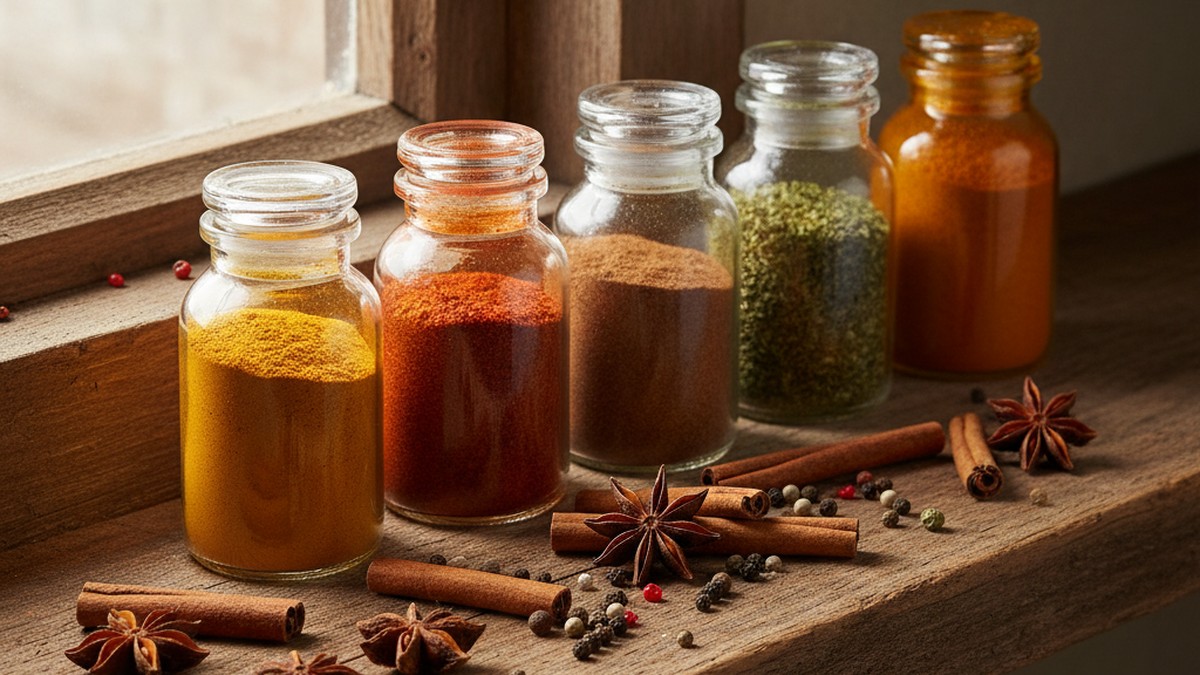
Most anti-inflammatory supplements are just concentrated versions of what’s already in your spice cabinet. Turmeric supplements are turmeric. Ginger supplements are ginger. Cinnamon capsules are cinnamon.
The advantage of using whole spices? You get the full spectrum of bioactive compounds, not just the isolated extract. Turmeric has over 300 biologically active compounds — supplement capsules typically contain only curcumin. The whole spice delivers them all, in the ratios nature intended.
These 5 spice blends are designed to be used in everyday cooking. Sprinkle them on your meals, stir them into drinks, add them to soups and smoothies. Each serving delivers a clinically meaningful dose of anti-inflammatory compounds through food, not pills.
Why Spices Work as Medicine
Spices aren’t just flavor. They’re concentrated plant chemistry. Many of the compounds that give spices their taste, color, and aroma are the same compounds that produce anti-inflammatory, antioxidant, and antimicrobial effects in the body.
The research on culinary spice doses (not megadose supplements) shows real effects:
- 1 tsp turmeric daily reduced CRP (inflammatory marker) by 15-20% in clinical studies
- 1/2 tsp cinnamon daily improved insulin sensitivity and lowered fasting blood sugar in type 2 diabetics
- 1 tsp ginger daily reduced muscle soreness by 25% after exercise
- 1/2 tsp black pepper increases curcumin absorption by 2000%
These are kitchen-level doses — not supplement-level megadoses. You can achieve them simply by seasoning your food generously.
The 5 Blends
1. Golden Anti-Inflammatory Blend
Use for: Rice, roasted vegetables, golden milk, soups, eggs
Ingredients:
- 4 tbsp turmeric powder
- 2 tbsp ginger powder
- 1 tbsp cinnamon
- 1 tbsp black pepper
- 1 tsp cardamom
Mix thoroughly and store in an airtight jar. Use 1 tsp per serving.
The science: Turmeric’s curcumin inhibits NF-κB, the master switch of inflammation. Black pepper’s piperine increases curcumin bioavailability by 2000% (this pairing is essential — turmeric without black pepper is largely wasted). Ginger’s gingerols reduce prostaglandin synthesis. Cinnamon lowers inflammatory markers and improves insulin sensitivity.
Golden milk recipe: Heat 1 cup milk (any type) with 1 tsp blend + 1 tsp honey. Simmer 3 minutes. Drink before bed.
2. Mediterranean Herb Blend
Use for: Salad dressings, grilled proteins, pasta, roasted vegetables
Ingredients:
- 3 tbsp dried oregano
- 2 tbsp dried rosemary (crushed)
- 2 tbsp dried thyme
- 1 tbsp dried basil
- 1 tbsp garlic powder
- 1 tsp red pepper flakes
Mix and store. Use 1-2 tsp per serving.
The science: Oregano has one of the highest antioxidant concentrations of any herb — 42x more antioxidant activity than apples, per gram. Rosemary contains carnosic acid, which reduces inflammatory cytokines. Thyme’s thymol has both anti-inflammatory and antimicrobial properties. Together, these Mediterranean herbs form the foundation of the anti-inflammatory Mediterranean diet.
3. Warming Chai Blend
Use for: Tea, oatmeal, smoothies, baking, yogurt
Ingredients:
- 3 tbsp cinnamon
- 2 tbsp ginger powder
- 1 tbsp cardamom
- 1 tbsp clove powder
- 1 tsp nutmeg
- 1 tsp allspice
Mix and store. Use 1/2-1 tsp per serving.
The science: Cloves have the highest antioxidant value (ORAC score) of any spice — 290,283 per 100g. Cardamom reduces inflammatory markers and supports digestive health. This blend targets inflammation through multiple pathways simultaneously, making it more effective than any single spice.
Chai tea recipe: Steep 1 tsp blend in hot water with a black tea bag for 5 minutes. Add milk and honey to taste.
4. Asian Five-Spice Anti-Inflammatory
Use for: Stir-fries, marinades, roasted proteins, rice dishes
Ingredients:
- 3 tbsp ginger powder
- 2 tbsp garlic powder
- 1 tbsp five-spice powder (star anise, clove, cinnamon, Sichuan pepper, fennel)
- 1 tbsp onion powder
- 1 tsp white pepper
Mix and store. Use 1 tsp per serving.
The science: Ginger is one of the most-studied anti-inflammatory foods, with over 100 clinical trials. Star anise contains shikimic acid (the compound used to make the antiviral Tamiflu). Garlic’s allicin reduces inflammatory markers and supports cardiovascular health. This blend brings anti-inflammatory power to Asian-inspired cooking.
5. Morning Elixir Blend
Use for: Mixed into water, tea, or coffee first thing in the morning
Ingredients:
- 3 tbsp turmeric powder
- 2 tbsp ginger powder
- 2 tbsp cinnamon
- 1 tbsp black pepper
- 1 tsp cayenne pepper
Mix and store. Use 1/2 tsp stirred into warm water with lemon and honey each morning.
The science: Starting the day with anti-inflammatory compounds primes your system for the day ahead. Cayenne’s capsaicin increases metabolism by 8-10% for several hours and has documented pain-relieving and anti-inflammatory effects. The morning timing means these compounds are active during your body’s natural inflammatory peak (cortisol is highest in the morning).
Making Them Work
Consistency over quantity. A small amount daily is more effective than a large amount occasionally. Anti-inflammatory effects are cumulative — they build over weeks.
Heat activates. Many spice compounds become more bioavailable when heated. Cooking with spice blends (rather than just sprinkling on cold food) increases absorption.
Fat helps absorption. Curcumin and many other spice compounds are fat-soluble. Use blends with olive oil, coconut oil, or in dishes that contain fat for better absorption.
Store properly. Keep blends in airtight glass jars away from heat and light. Ground spices lose potency over 6-12 months. Make smaller batches and refresh regularly.
Quality matters. Buy spices from reputable sources. Low-quality turmeric may contain fillers. Look for organic, single-origin spices when possible.
The Bigger Picture
These spice blends are one piece of an anti-inflammatory lifestyle that includes anti-inflammatory meals, regular movement, adequate sleep, stress management through meditation and breathwork, and consistent hydration.
No single food or spice eliminates chronic inflammation. But daily, consistent use of anti-inflammatory spices — in clinically meaningful amounts — contributes measurably to lower inflammatory markers, better metabolic health, and improved quality of life.
Your spice rack is more powerful than you think. Use it.