Rice Water for Hair and Skin: Korean Tradition + Science
Centuries of Korean and Japanese rice-water rituals, what the research actually shows for hair and skin, and the rice-based K-beauty products that build on it.

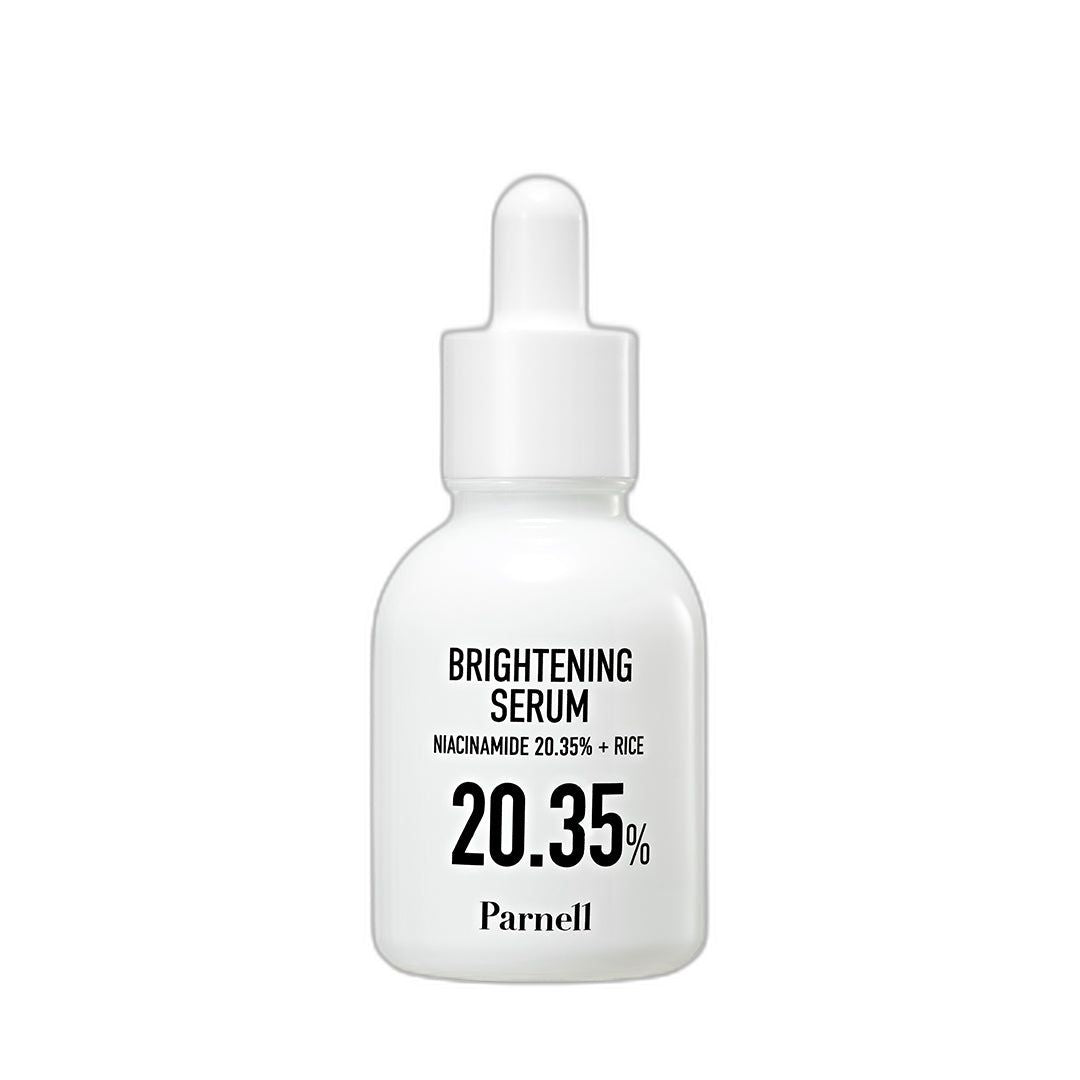
Product photo: Parnell Niacinamide 20.35 Rice Brightening Serum 30ml. Source image.
Rice Water for Hair and Skin: Korean Tradition + Science
In the ever-evolving world of K-beauty, where cutting-edge science often intertwines with time-honored traditions, one ingredient stands out for its enduring appeal: rice water. Far from being a fleeting trend, rice water has been cherished for centuries across various cultures for its remarkable benefits to both hair and skin. Today, K-beauty has embraced this ancient secret, elevating it with scientific understanding and innovative formulations.
At its core, rice water embodies the philosophy of rooted-glow.com – nurturing beauty from its deepest roots, drawing wisdom from the past, and validating it with modern science. From the glossy locks of ancient empresses to the radiant complexions of Joseon-era noblewomen, and now to the shelves of your favorite K-beauty retailers, rice water continues to prove its worth. Let’s delve into the rich history, scientific composition, and practical application of this humble yet powerful elixir.
A Journey Through Time: The Ancient Roots of Rice Water Beauty
The use of rice water for beauty is not a recent discovery; it’s a practice steeped in history, predating modern cosmetics by millennia. Its origins can be traced to several distinct cultures, each recognizing and harnessing its unique properties.
One of the most well-documented instances comes from Heian-era Japan (794-1185 AD). The aristocratic court ladies of this period were renowned for their incredibly long, lustrous hair, often reaching floor-length. They would regularly rinse their hair with “Yu-Su-Ru,” the water left over from washing rice, to maintain its health, strength, and iconic sheen. This practice wasn’t just about aesthetics; it was a symbol of status and beauty, meticulously cared for with natural remedies like rice water.
Further west, in the mountains of Guangxi province, China, lives the Yao women of Huangluo Village. Often referred to as the “Long Hair Village,” the Yao women are famous for their exceptionally long, dark, and incredibly healthy hair, which typically exceeds six feet in length and retains its natural color well into old age. Their secret? Fermented rice water. Passed down through generations, this powerful tonic is used to wash and condition their hair, contributing to its remarkable growth, strength, and pigmentation.
In Korea, during the Joseon Dynasty (1392-1897), aristocratic women were known for their elaborate skincare routines that focused on achieving a clear, bright, and even complexion. Among their cherished beauty rituals was the use of “mi-gam-su,” or rice water. They would use this milky liquid as a facial rinse, a toner, and even as a base for their homemade masks. The belief was that rice water could purify the skin, reduce blemishes, and impart a luminous glow, a testament to its perceived brightening and soothing properties.
These historical accounts are more than just anecdotes; they form the bedrock of rice water’s enduring legacy, showcasing its consistent efficacy across diverse cultures and centuries, long before the advent of modern scientific analysis.
Unpacking the Potency: What’s Really in Rice Water?
The secret to rice water’s effectiveness lies in its rich composition of beneficial compounds, many of which have been scientifically identified and studied for their positive effects on hair and skin. When rice is soaked or boiled, many of these nutrients leach into the water, creating a potent elixir.
-
Inositol: This is perhaps the most celebrated component of rice water for hair. Inositol is a carbohydrate that penetrates the hair shaft, strengthening it from within and forming a protective layer that repairs damaged hair. It’s particularly effective at reducing surface friction and increasing hair elasticity, leading to smoother, less tangled strands and fewer split ends.
-
Ferulic Acid: A powerful antioxidant, ferulic acid helps protect hair and skin from environmental damage, particularly from UV radiation and pollution. For the skin, it aids in reducing oxidative stress, which can contribute to premature aging and hyperpigmentation.
-
Allantoin: Known for its soothing and healing properties, allantoin is a common ingredient in many skincare products. In rice water, it helps to calm irritated skin, promote cell regeneration, and provide a protective barrier, making it beneficial for sensitive or compromised skin.
-
B Vitamins: Rice water is a natural source of several B vitamins, including B3 (Niacinamide), B5 (Pantothenic Acid), and B6. These vitamins are crucial for cellular metabolism and overall skin and hair health. Niacinamide, for instance, is a powerhouse for skin, known for its ability to brighten, reduce inflammation, and improve barrier function. Pantothenic acid contributes to hair strength and moisture retention.
-
Amino Acids: The building blocks of proteins, amino acids in rice water help to strengthen the hair structure, making it more resilient to breakage. For skin, they contribute to hydration and barrier repair.
-
GABA (Gamma-aminobutyric acid): This particular compound is significantly more present in fermented rice water. GABA is a non-protein amino acid that acts as a neurotransmitter. In skincare, it’s gaining attention for its potential calming effects, anti-inflammatory properties, and even some anti-aging benefits by potentially stimulating collagen production and improving skin elasticity. Its presence in fermented rice water adds another layer of therapeutic value.
Together, these components create a synergistic blend that addresses a wide array of hair and skin concerns, bridging the gap between traditional wisdom and modern biochemical understanding.
The Promise for Hair: Tresses Transformed
For hair, the claims surrounding rice water are nothing short of remarkable, echoing the historical observations of the Heian court ladies and the Yao women. Regular use of rice water is believed to:
- Promote Smoother, Shinier Hair: Inositol’s ability to reduce surface friction and form a protective layer results in a noticeably smoother hair cuticle, which in turn reflects light better, imparting a healthy, natural shine.
- Reduce Split Ends and Breakage: By strengthening the hair shaft and increasing its elasticity, rice water can significantly decrease the occurrence of split ends and make strands more resistant to breakage from styling and environmental stressors.
- Improve Hair Elasticity: Hair that is more elastic is less prone to snapping and can stretch further without breaking. The proteins and carbohydrates in rice water contribute to this improved resilience.
- Enhance Manageability: Smoother, stronger hair is inherently easier to detangle, comb, and style, leading to less frustration and damage during your daily routine.
- Support Hair Growth (Indirectly): While rice water doesn’t directly stimulate new hair follicles, by creating a healthier scalp environment and reducing breakage, it supports the retention of existing hair, giving the appearance of thicker, longer hair over time.
The Promise for Skin: A Luminous Complexion
The benefits of rice water extend beautifully to the skin, making it a cherished ingredient in traditional and modern skincare alike.
- Brightening and Even Tone: The combination of ferulic acid, B vitamins (especially niacinamide), and amino acids helps to gently exfoliate, reduce hyperpigmentation, and inhibit melanin production, leading to a more radiant and even skin tone. This is the “luminous glow” Joseon women sought.
- Barrier Support and Hydration: Rice water contains starches and proteins that can help reinforce the skin’s natural barrier function, preventing moisture loss and protecting against environmental aggressors. This improved barrier leads to better hydration and a plumper, healthier complexion.
- Soothing and Anti-Inflammatory: Allantoin and other anti-inflammatory compounds in rice water can calm irritated skin, reduce redness, and alleviate symptoms of conditions like eczema or rosacea, making it suitable for sensitive skin types.
- Antioxidant Protection: Ferulic acid and other antioxidants combat free radical damage, which is a primary cause of premature aging, fine lines, and wrinkles. Regular use can help maintain youthful skin elasticity and firmness.
- Gentle Cleansing: As a mild cleanser, rice water can remove impurities and excess oil without stripping the skin of its natural moisture, maintaining a balanced pH.
An Honest Look at the Evidence: Tradition Meets Science
While the anecdotal evidence and historical use of rice water are overwhelmingly positive, a common question arises: what does modern science say? It’s important to approach this with a balanced perspective.
The reality is that there’s a relative lack of extensive, large-scale, placebo-controlled clinical trials specifically on homemade rice water for hair and skin. This is often due to the difficulty in standardizing a homemade product for rigorous scientific study.
However, this doesn’t diminish its efficacy. Instead, we can look at the scientific basis of its individual components. As discussed, ingredients like inositol, ferulic acid, allantoin, and B vitamins have been extensively researched and proven to have beneficial effects on hair and skin. The presence of these compounds in rice water provides a strong scientific rationale for its traditional uses.
Furthermore, many studies do exist on rice bran extract, rice germ extract, and fermented rice extracts, which are often used in commercial beauty products. These studies consistently demonstrate antioxidant, anti-inflammatory, brightening, and hydrating properties.
Therefore, while you might not find a double-blind study proving that your homemade rice rinse will cure all hair woes, the science behind its key ingredients, coupled with centuries of positive anecdotal evidence, offers a compelling case for its use. Results can vary depending on individual hair and skin types, consistency of use, and the method of preparation. It’s a gentle, natural approach that aligns with K-beauty’s emphasis on gradual, consistent care.
Crafting Your Own Elixir: How to Make Rice Water at Home
Making rice water at home is incredibly simple and cost-effective. There are two primary methods: the rinse method and the fermented method.
1. The Quick Rinse Method (Plain Rice Water)
This is the simplest way to prepare rice water and is suitable for immediate use.
What you’ll need:
- ½ cup of uncooked rice (any type – white, brown, jasmine, basmati, etc.)
- 2-3 cups of water
- A bowl
- A strainer or fine-mesh sieve
Instructions:
- Rinse the Rice: Place the uncooked rice in a bowl and rinse it thoroughly under running water. Swirl it around with your fingers to remove any dirt or impurities. Discard this initial rinse water.
- Soak the Rice: Add 2-3 cups of fresh water to the cleaned rice in the bowl.
- Soak: Let the rice soak for 30 minutes to an hour, or until the water becomes cloudy. Agitate the rice occasionally by swirling it or gently squeezing it with your hands to help release the beneficial compounds.
- Strain: Strain the rice water into a clean bowl or jar. Your plain rice water is ready to use!
- Application:
- For Hair: After shampooing, pour the rice water over your hair, focusing on the scalp and ends. Gently massage it in. Leave it on for 5-20 minutes, then rinse thoroughly with lukewarm water.
- For Skin: Use it as a facial toner by applying it with a cotton pad after cleansing, or as a final rinse after washing your face.
2. The Fermented Version
Fermented rice water is often considered more potent and beneficial due to the changes that occur during the fermentation process.
What you’ll need:
- ½ cup of uncooked rice
- 2-3 cups of water
- A bowl
- A clean, airtight jar or bottle
Instructions:
- Rinse the Rice: As with the quick method, rinse the uncooked rice thoroughly to remove impurities. Discard the initial rinse water.
- Soak the Rice: Place the cleaned rice in a bowl and add 2-3 cups of fresh water.
- Ferment: Cover the bowl loosely (or transfer to a jar with a loose lid) and let it sit at room temperature for 12 to 24 hours. The exact time depends on the ambient temperature; warmer temperatures will speed up fermentation. You’ll notice a slightly sour smell and the water will become cloudy. Do not let it ferment for too long (e.g., more than 48 hours) as it can become too potent or develop an unpleasant odor.
- Strain: Strain the fermented rice water into a clean, airtight jar or bottle.
- Dilute (Crucial!): Fermented rice water is more concentrated and has a lower pH. It’s recommended to dilute it with 1-2 parts plain water before use, especially for your first few applications, to avoid over-drying or irritation.
- Application:
- For Hair: Dilute as recommended. Apply to hair after shampooing, massage into scalp and hair, leave for 5-15 minutes, then rinse thoroughly.
- For Skin: Dilute as recommended. Use as a toner with a cotton pad, or as a diluted facial rinse. Patch test first, especially if you have sensitive skin.
- Storage: Store fermented rice water in the refrigerator for up to 5-7 days.
The Fermentation Advantage: Why It Matters
Fermentation isn’t just a fancy step; it significantly enhances the properties of rice water, making it even more beneficial.
- Lower pH: Fermentation lowers the pH of the rice water, making it slightly acidic (similar to your hair and skin’s natural pH, which is typically between 4.5 and 5.5). This slightly acidic pH helps to flatten and close the hair cuticles, leading to smoother, shinier hair and reducing frizz. For skin, it supports the acid mantle, crucial for barrier health.
- Increased Nutrient Availability: The fermentation process breaks down complex molecules into simpler, more readily absorbable forms. This means that beneficial compounds like amino acids, antioxidants, and especially GABA become more concentrated and bioavailable.
- Enhanced Antioxidant Activity: Studies show that fermented rice water can have higher antioxidant activity compared to plain rice water, offering better protection against free radical damage.
- GABA Boost: As mentioned earlier, fermentation significantly increases the concentration of GABA, which offers additional calming and potentially anti-aging benefits for the skin.
- Natural Preservative Effect: While not a complete preservative, the lower pH and microbial activity during fermentation can slightly extend the shelf life compared to plain rice water, though refrigeration is still essential.
However, fermented rice water does have a distinct, slightly sour smell that some find off-putting. Diluting it and rinsing thoroughly can mitigate this.
Bottling Tradition: Commercial K-Beauty Rice Products
For those who prefer the convenience, stability, and often enhanced efficacy of professionally formulated products, K-beauty brands have masterfully integrated rice water into their lines. These commercial products typically use stabilized rice extracts, fermented rice filtrates, or even rice ceramides, often in higher concentrations and combined with other potent active ingredients. This ensures consistent quality, optimal pH, and a longer shelf life, while also addressing specific concerns with targeted formulations.
Here are a couple of examples that beautifully blend rice power with modern skincare science:
-
Parnell Niacinamide 20.35 Rice Brightening Serum: This serum is a prime example of K-beauty innovation. It harnesses the brightening power of rice water, likely in a concentrated or fermented form, and pairs it with a substantial 20.35% Niacinamide (Vitamin B3). Niacinamide is a multi-tasking ingredient known for its ability to reduce hyperpigmentation, minimize pores, strengthen the skin barrier, and soothe inflammation. The combination of rice water and high-concentration niacinamide creates a potent serum designed to dramatically improve skin tone, texture, and radiance, making it ideal for those targeting dullness and uneven skin. Shop Parnell Niacinamide 20.35 Rice Brightening Serum
-
Parnell Niacinamide 4.12 Rice Brightening Ampoule Toner: This toner takes the concept of rice water as a foundational step and elevates it with targeted actives. Featuring 4.12% Niacinamide alongside rice extract, this ampoule toner offers a hydrating and brightening boost immediately after cleansing. It prepares the skin to better absorb subsequent treatments while actively working to even out skin tone, reduce redness, and provide antioxidant protection. Its ampoule-like texture suggests a richer, more concentrated feel than a typical toner, delivering a powerful dose of nutrients. Shop Parnell Niacinamide 4.12 Rice Brightening Ampoule Toner
These products offer a glimpse into how K-beauty respects ancient traditions while continually pushing the boundaries of scientific formulation, providing effective and luxurious ways to incorporate rice water into your daily routine.
Conclusion
From the imperial courts of Heian Japan to the modern laboratories of K-beauty, rice water has transcended time and borders to remain a cherished beauty secret. Its rich composition of inositol, ferulic acid, B vitamins, and more, offers a compelling scientific explanation for its historical efficacy on both hair and skin. Whether you choose to brew your own at home, embracing the ancestral methods, or opt for the sophisticated formulations of K-beauty brands, rice water offers a gentle, natural, and effective path to achieving your beauty goals. Rooted in tradition and illuminated by science, rice water truly embodies the essence of holistic beauty.
FAQ: Your Rice Water Questions Answered
1. Is rice water suitable for all hair types? Yes, rice water is generally suitable for most hair types, including oily, dry, fine, thick, straight, wavy, and curly hair. However, individuals with low porosity hair might find it can lead to protein overload if used too frequently, as their hair struggles to absorb the proteins. Always listen to your hair and adjust usage accordingly.
2. How often should I use rice water on my hair? For most people, using rice water 1-2 times a week as a rinse is a good starting point. If you have very damaged hair, you might try 2-3 times a week initially. If you notice any stiffness or dryness, reduce frequency.
3. Can rice water cause protein overload? While rice water isn’t as protein-dense as dedicated protein treatments, its amino acid and inositol content can, for some individuals (especially those with low porosity hair or fine hair), lead to a feeling of stiffness, dryness, or brittleness if used too often. If this happens, reduce frequency and ensure thorough rinsing.
4. Is fermented rice water better than plain rice water? Many believe fermented rice water is superior due to its lower pH (which helps seal hair cuticles and support skin’s acid mantle), increased concentration of beneficial compounds like GABA, and enhanced antioxidant activity. However, it’s more potent and should be diluted, especially for sensitive skin or first-time users.
5. How long can I store homemade rice water? Plain rice water should ideally be used immediately or stored in the refrigerator for no more than 1-2 days. Fermented rice water, when properly diluted and stored in an airtight container in the refrigerator, can last for up to 5-7 days. Always discard if you notice any unusual smell or mold.
6. Can I use rice water on sensitive skin? Yes, rice water is generally considered gentle and can be beneficial for sensitive skin due to its soothing properties (allantoin) and barrier support. However, fermented rice water should always be diluted, and it’s wise to perform a patch test on a small area of skin before full application, especially if you have highly reactive skin.
7. Does rice water really make hair grow faster? Rice water doesn’t directly stimulate new hair follicle growth. However, by strengthening the hair shaft, reducing breakage, and improving scalp health, it can help you retain more length and create an optimal environment for existing hair to grow longer and healthier, giving the appearance of faster growth.
8. What kind of rice should I use? You can use virtually any type of rice – white rice (jasmine, basmati, sushi rice), brown rice, or even black rice. White rice is the most commonly used due to its accessibility and consistent results. Organic rice is a good choice to minimize exposure to pesticides.