Running Shoe Rotation: Why You Need Multiple Pairs
Learn how rotating between 2-4 pairs of running shoes reduces injury risk, improves performance, and extends shoe life. Complete rotation guide for every level.

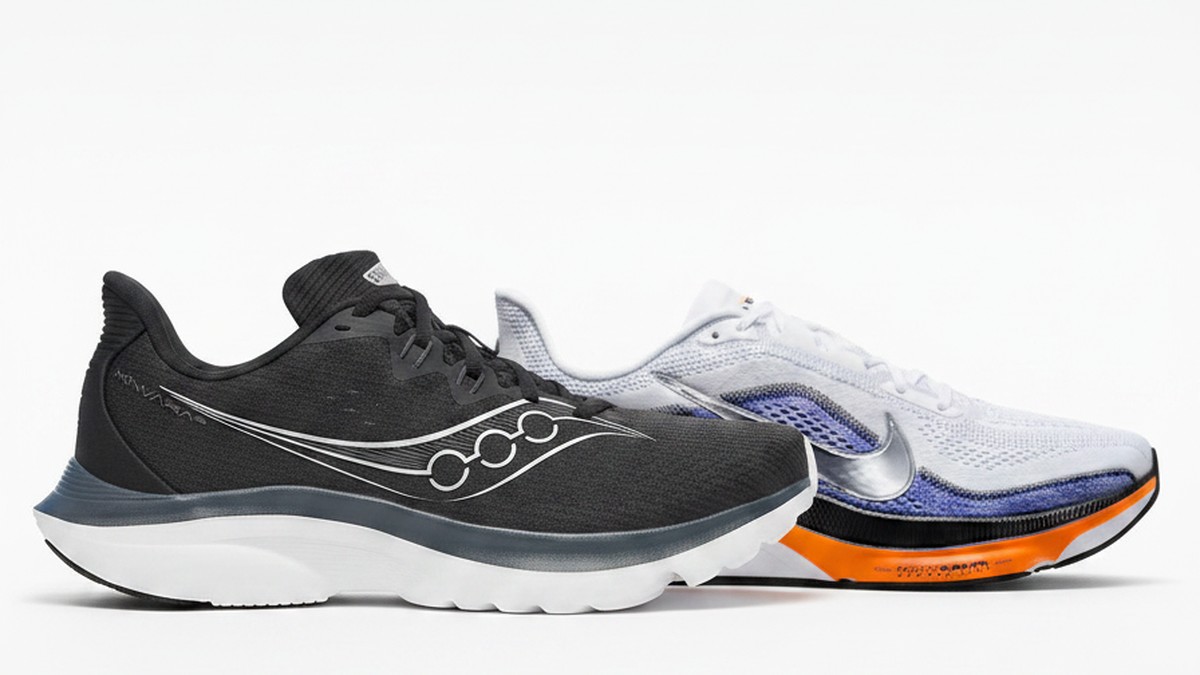
Using one shoe for every run is like using one knife for every kitchen task — it works, but it’s far from optimal. A well-planned shoe rotation reduces injury risk by 39%, extends shoe lifespan, and ensures you always have the right tool for the job.
Here’s how to build yours.
The Science Behind Shoe Rotation
A landmark study in the Scandinavian Journal of Medicine & Science in Sports found that runners rotating multiple pairs experienced 39% lower injury risk compared to single-pair runners.
Why it works:
- Biomechanical variety — different shoes distribute impact differently, preventing repetitive stress on the same muscles, tendons, and ligaments
- Foam recovery — midsole foam needs 24–48 hours to fully decompress and regain its cushioning and energy return properties
- Foot strength — adapting to different shoe characteristics challenges foot and ankle muscles, building a more robust foundation
The Core Shoe Categories
| Category | Purpose | Key Features | 2026 Examples |
|---|---|---|---|
| Daily Trainer | Bulk of weekly mileage | Balanced cushion, durable, comfortable | Brooks Ghost 18, Nike Pegasus 42, Hoka Clifton 10 |
| Speed/Tempo | Fast workouts, intervals | Lightweight, responsive, snappy | Saucony Kinvara 16, Brooks Hyperion Max 2, NB FuelCell Rebel v5 |
| Long Run | Extended efforts | Max cushion, plush, stable | Nike Vomero Plus, ASICS Novablast 5, NB 1080v15 |
| Recovery | Post-hard-workout jogs | Ultra-soft, max stack, wide base | Hoka Bondi 9, ASICS Gel-Nimbus 28 |
| Race Day | Competition, PRs | Ultra-light, carbon plate, superfoam | Nike Vaporfly 4, Adidas Adios Pro 4, Saucony Endorphin Elite 2 |
Rotation by Runner Level
Beginner: 2-Shoe Foundation
You run a few times per week and want to build the habit without overcomplicating things.
| Workout | Shoe Category | Example |
|---|---|---|
| Easy/Recovery Runs | Recovery Shoe | Hoka Bondi 9, ASICS Gel-Nimbus 28 |
| Daily Runs / Longer Jogs | Daily Trainer | Brooks Ghost 18, Nike Pegasus 42, Hoka Clifton 10 |
Two shoes give you biomechanical variety, foam recovery time, and a taste of specialization. Find your first pair in our beginner shoes guide.
Intermediate: 3-Shoe Expansion
You’re running 20–40 km/week with structured workouts — tempo, intervals, and long runs.
| Workout | Shoe Category | Example |
|---|---|---|
| Easy / Daily Runs | Daily Trainer | Brooks Ghost 18, Nike Pegasus 42, ASICS Gel-Nimbus 28 |
| Speed / Tempo Runs | Speed/Tempo Shoe | Saucony Kinvara 16, NB FuelCell Rebel v5, Brooks Hyperion Max 2 |
| Long Runs | Long Run Shoe | Nike Vomero Plus, ASICS Novablast 5, NB 1080v15 |
Three shoes cover every workout type, protect your daily trainer from speed-day abuse, and maximize comfort on long efforts. Level up with our intermediate shoes guide.
Advanced: 4–5 Shoe Arsenal
You’re logging 50+ km/week with race goals, hard sessions, and high expectations.
| Workout | Shoe Category | Example |
|---|---|---|
| Easy / Recovery Runs | Recovery Shoe | Hoka Bondi 9, ASICS Gel-Nimbus 28 |
| Daily Runs | Daily Trainer | Brooks Ghost 18, Hoka Clifton 10, ASICS Gel-Nimbus 28 |
| Speed / Tempo Runs | Speed/Tempo Shoe | Saucony Kinvara 16, Brooks Hyperion Max 2, NB FuelCell Rebel v5 |
| Long Runs | Long Run / Super Trainer | Nike Vomero Plus, ASICS Superblast 3, ASICS Novablast 5 |
| Race Day | Race Day Shoe | Nike Vaporfly 4, Adidas Adios Pro 4, Saucony Endorphin Elite 2 |
Every run type gets its perfect match. Carbon racers stay fresh for race day, recovery shoes protect tired legs, and your investment lasts longer. Fine-tune your picks with our advanced shoes guide.
Sample Weekly Rotation
Here’s how an intermediate or advanced runner might deploy their rotation across a training week:
| Day | Workout | Shoe | Example |
|---|---|---|---|
| Monday | Easy Recovery | Recovery Shoe | Hoka Bondi 9 |
| Tuesday | Speed/Intervals | Speed/Tempo Shoe | Saucony Kinvara 16 |
| Wednesday | Easy/Daily | Daily Trainer | Nike Pegasus 42 |
| Thursday | Tempo Run | Speed/Tempo Shoe | NB FuelCell Rebel v5 |
| Friday | Easy Recovery | Daily Trainer | ASICS Gel-Nimbus 28 |
| Saturday | Long Run | Long Run Shoe | Nike Vomero Plus |
| Sunday | Rest or light jog | Recovery Shoe | ASICS Gel-Nimbus 28 |
On race day, swap your usual shoe for your dedicated racer (e.g., Nike Vaporfly 4).
Building Your Rotation on a Budget
- Stagger purchases — start with a daily trainer, add a second pair after a few months
- Buy last year’s models — when the 2026 version drops, the 2025 version goes on steep discount with nearly identical performance
- Watch for sales — Black Friday, end-of-season clearance, and running store newsletters
- Prioritize your gaps — if you only do easy runs and long runs, start with a daily trainer + long run shoe; if you do lots of speed, prioritize a tempo shoe
- Let versatile shoes double up — ASICS Novablast 5 can cover daily and long runs; Saucony Kinvara 16 can handle daily and uptempo
Rotating shoes actually saves money long-term: each pair lasts longer because the foam recovers between uses.
When to Retire Each Shoe
| Shoe Type | Expected Lifespan | Notes |
|---|---|---|
| Daily Trainer | 400–500 miles | Built for durability |
| Long Run / Recovery | 350–450 miles | Plush foam compresses earlier |
| Speed/Tempo | 300–400 miles | Lighter build, less durable outsole |
| Race Day | 100–250 miles | Reserve for races + key workouts only |
Retirement signs: foam feels flat, new aches appear, outsole tread is worn through, upper has tears, or the shoe just feels dead. Don’t wait until they’re falling apart — replace proactively to protect your body.