Oil Cleansing for Oily Skin: Why It Actually Works
Putting oil on oily skin sounds wrong. The chemistry says otherwise. How oil cleansing reduces excess sebum, clears pores, and works especially well for acne-prone skin.

Product photo: Anua Heartleaf Pore Control Cleansing Oil 200ml. Source image.
When we first suggested oil cleansing to a friend with oily skin, the look we got was something between disbelief and betrayal. “You want me to put more oil on my already oily face? Are you trying to make it worse?”
Oil cleansing is one half of the double cleansing method — and it turns out it’s especially powerful for oily skin.
We understand the instinct. It feels counterintuitive. Everything you have been told about oily skin involves removing oil, stripping oil, mattifying oil, absorbing oil. The idea of voluntarily applying oil to a face that already overproduces it sounds like sabotage.
But the chemistry tells a different story. And after three years of our entire team testing oil cleansing across every skin type, including the three members with genuinely oily skin, we can tell you with confidence: oil cleansing is not just safe for oily skin. It might be the single best thing you can do for it.
The Chemistry: Like Dissolves Like
This is not marketing. This is first-year chemistry.
Similar substances dissolve each other. Oil dissolves oil. Water dissolves water-soluble substances. This principle (formally called “similia similibus solvuntur”) is why grease comes off your hands with soap (which contains oil-dissolving surfactants) but not with water alone.
Your skin produces sebum. Sebum is oil. Throughout the day, that sebum mixes with sunscreen, makeup, pollution, and dead skin cells to form a layer on your face. That layer is primarily oil-based.
A water-based cleanser, no matter how good, can only partially dissolve that oil-based layer. It is like trying to wash a greasy pan with just water. You need dish soap; something that bonds with the grease and lifts it off.
An oil cleanser is that dish soap for your face. It bonds with the sebum, sunscreen, and makeup on your skin. When you add water and emulsify, the whole mess turns into a milky solution that rinses clean. You are left with genuinely clean skin, not skin with a residual oil layer that your foaming cleanser could not reach.
Why Oily Skin Overproduces Oil in the First Place
Understanding the root cause changes everything.
Oily skin overproduces sebum for several reasons:
Genetics. Some people simply have more active sebaceous glands. This is the baseline you cannot change, only manage.
Dehydration. This is the big one. When your skin is dehydrated (lacking water, not oil), it compensates by producing more sebum. The skin’s logic: “If I cannot hold onto water, I will create an oilier barrier to prevent further water loss.” The result? Oily but dehydrated skin. That combination is incredibly common and incredibly misunderstood.
Harsh cleansing. Stripping cleansers remove all oil from your skin. Your skin panics and ramps up sebum production to replace what was lost. Within hours, your face is oilier than it was before you washed it. This is the cycle that traps most oily-skinned people: strip, overproduce, strip harder, overproduce more.
Hormonal factors. Androgens stimulate sebaceous glands. Hormonal fluctuations (puberty, menstrual cycle, stress) can increase oil production. Topical skincare cannot fix hormonal causes, but it can manage the symptoms.
Oil cleansing addresses the second and third causes directly. It removes excess sebum without stripping. It does not trigger the panic response that harsh cleansers do. Over time, many people with oily skin find that their oil production actually decreases because their skin stops overcompensating.
The Stripping Cycle (And How to Break It)
Most people with oily skin are stuck in what we call the stripping cycle:
- Face feels oily
- Use a strong, foaming, high-pH cleanser to remove all oil
- Skin feels “squeaky clean” (this is actually moisture barrier damage)
- Skin recognizes the oil loss and ramps up sebum production
- Two to four hours later, face feels oily again
- Return to step 2
This cycle is self-reinforcing. The harder you strip, the more oil your skin produces. Many people have been in this loop for years without realizing the cleanser is causing the problem it is supposed to solve.
Oil cleansing breaks the cycle because:
- It removes excess sebum without removing all sebum
- The emulsification process is gentle (no harsh surfactants)
- It does not damage the moisture barrier
- Your skin does not receive the “emergency, replace all oil” signal
The transition period is the hardest part. When you switch from a stripping routine to oil cleansing, your skin needs two to four weeks to recalibrate its sebum production. During that time, you might feel oilier than usual. This is not the oil cleanser making you oily. It is your skin still overproducing because it expects to be stripped. Once it realizes the stripping has stopped, production normalizes.
We have seen this pattern in every oily-skinned person on our team. The first two weeks were uncomfortable. By week four, their skin was noticeably less oily than it had been with their previous harsh cleanser.
Which Oil Cleansers Work Best for Oily Skin
Not all oil cleansers are created equal, and this matters especially for oily skin. Here is what to look for:
Lightweight Oils
Avoid heavy, rich cleansing oils designed for dry skin. You want lightweight formulas with oils that have a low comedogenic rating.
Best oils for oily skin:
- Jojoba oil. Technically a wax ester, jojoba is the closest match to human sebum. It “tricks” your skin into thinking it has enough oil, which can reduce production.
- Grapeseed oil. Lightweight, astringent, rich in linoleic acid (which oily skin is often deficient in).
- Sunflower seed oil. High in linoleic acid, non-comedogenic, helps strengthen the moisture barrier.
- Hemp seed oil. Non-comedogenic, anti-inflammatory, very lightweight.
Oils to avoid for oily skin:
- Coconut oil. Highly comedogenic for many people. Excellent for dry skin, risky for oily.
- Olive oil. Moderately comedogenic. Some people tolerate it, many do not.
- Mineral oil. Not comedogenic per se, but creates a heavy occlusive layer that oily skin does not need.
Our Top Pick: Anua Heartleaf Pore Control Cleansing Oil
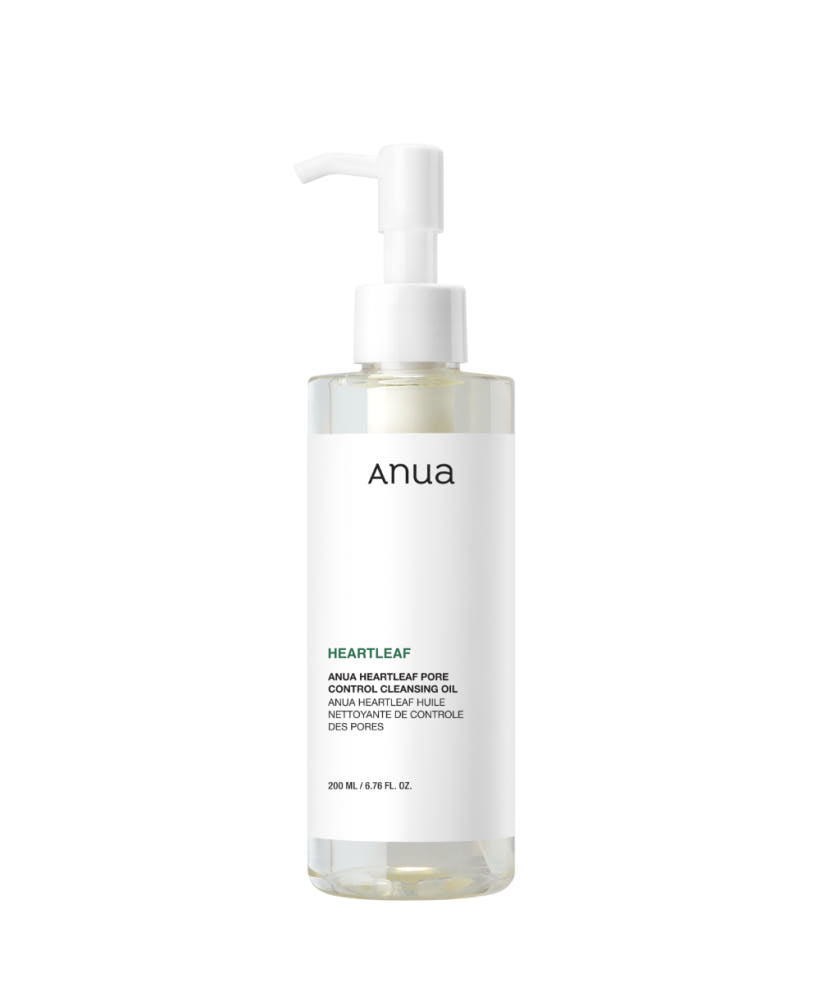
This is the cleansing oil we recommend most for oily skin, and we use it ourselves. The heartleaf extract is anti-inflammatory and soothing. The oil base is lightweight and emulsifies completely; no residue, no film, no greasiness after rinsing.
The emulsification is the critical factor for oily skin. Some oil cleansers leave a thin oily layer even after rinsing. That layer can clog pores. The Anua rinses truly clean. Run your finger across your face after rinsing. You will feel smooth, clean skin with no film.
Massage it into dry skin for 60 seconds, add water to emulsify, rinse, then follow with your second cleanser. The entire oil cleanse step takes about 90 seconds.
Also Excellent: Beauty of Joseon Radiance Cleansing Balm
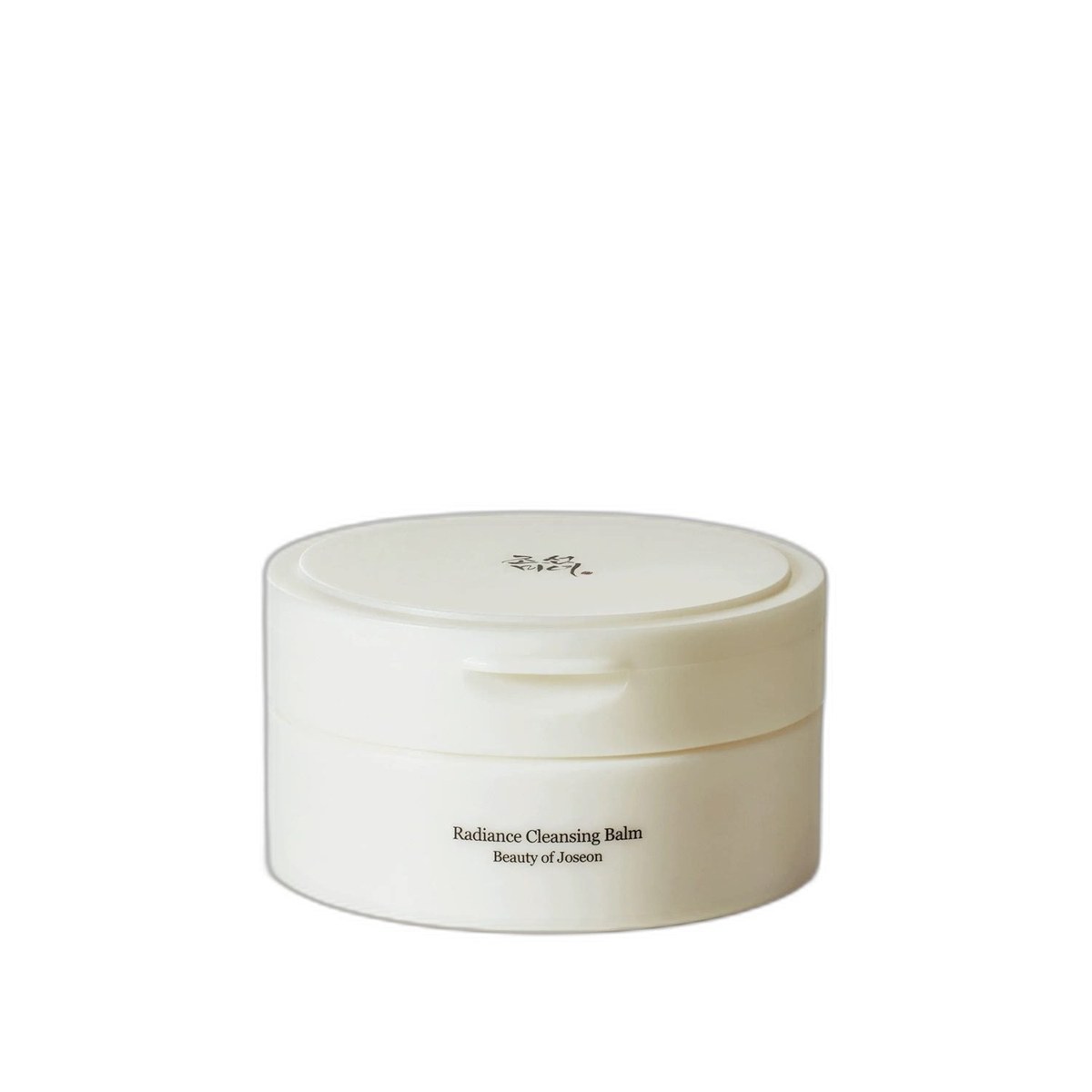
If you want to ease into oil cleansing psychologically, balms are a good entry point. They do not look or feel like “oil” in the traditional sense. The Beauty of Joseon balm starts as a soft solid and melts into a thin oil on your skin. The rice bran base is lightweight and non-comedogenic.
For our guide to the full range of cleansing products for every skin type, see best double cleansing products.
How to Oil Cleanse Oily Skin (Step by Step)
The technique matters as much as the product, especially for oily skin.
1. Start with dry hands and a dry face.
Water prevents the oil from gripping onto the sebum and impurities on your skin. If your face or hands are wet, the oil will slide around without dissolving anything.
2. Apply one to two pumps of cleansing oil.
For oily skin, start with less product than you think you need. One pump is often enough for the full face. More product does not mean better cleansing; it just means more to rinse off.
3. Massage gently for 60 seconds.
This is the step people rush, and it is the most important. Use gentle, circular motions. Do not press hard. The oil needs time to bond with the sebum and impurities on your skin. During this massage, you may feel tiny grains or grittiness. Those are sebum plugs dissolving. This is a good sign.
Focus extra time on your T-zone (forehead, nose, chin) where sebum production is highest. Do not neglect the jawline and hairline, where sunscreen tends to accumulate.
4. Emulsify with water.
Wet your fingertips with lukewarm water and continue massaging. The oil will turn from clear to milky white. This is emulsification; the oil is binding with water so it can be rinsed away. Spend 15 to 20 seconds on this step.
5. Rinse thoroughly with lukewarm water.
Rinse until the milky residue is completely gone. For oily skin, be thorough here. Any remaining residue can contribute to congestion. Pat your face to check for any slippery spots; if you find them, rinse those areas again.
6. Follow immediately with your water-based cleanser.
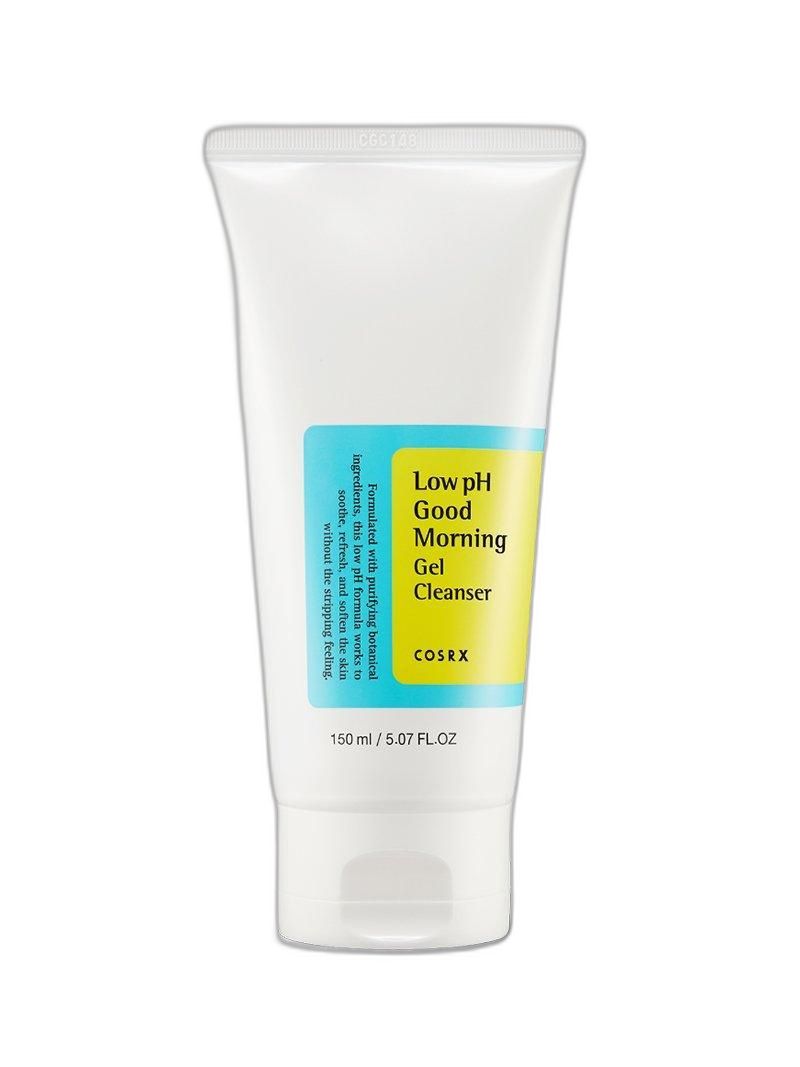
The COSRX Low pH Good Morning Gel Cleanser is our default second cleanser for oily skin. The tea tree and BHA complement the oil cleanse perfectly. This step removes any remaining emulsified residue and water-soluble impurities. For the full double cleansing method, see our complete guide.
Addressing the Purging Fear
“I started oil cleansing and broke out. See? It doesn’t work for oily skin.”
We hear this constantly. Here is what is actually happening:
Purging vs. Breaking Out
Purging is a temporary increase in breakouts that happens when you start a product that increases cell turnover or deeply cleanses. The breakouts appear in areas where you normally break out. They are small, come to a head quickly, and resolve faster than normal breakouts. Purging lasts two to four weeks.
Breaking out from a product means the product is clogging your pores or irritating your skin. Breakouts appear in unusual areas (where you don’t normally break out), are deeper, more inflamed, and do not resolve quickly.
Oil cleansing can cause purging because it is dissolving sebum plugs that were sitting in your pores. Those plugs were going to become pimples eventually. The oil cleansing just accelerated the timeline. Once the backlog clears, your skin is cleaner than it has been in months.
How to Tell the Difference
Ask yourself:
- Are the breakouts in my usual trouble spots? Purging.
- Are they in new, unusual areas? Product reaction.
- Do they come to a head quickly and heal fast? Purging.
- Are they deep, painful, and slow to heal? Product reaction.
- Did they start within the first two weeks? Could be either; give it four weeks total.
- Did they start after four weeks of no issues? Product reaction; your skin would have purged earlier.
If you determine it is purging, push through. The other side is worth it. If you determine it is a reaction, stop the product and try a different oil cleanser. You may be sensitive to a specific ingredient, not to oil cleansing as a concept.
The Linoleic Acid Connection
Here is a piece of science that most skincare content ignores:
Healthy sebum has a balanced ratio of oleic acid to linoleic acid. Research has shown that people with acne-prone and oily skin tend to have sebum that is deficient in linoleic acid and elevated in oleic acid. This imbalance makes the sebum thicker and stickier, which contributes to clogged pores.
Oil cleansers formulated with high-linoleic oils (grapeseed, sunflower, hemp, rosehip) can help rebalance this ratio. When linoleic acid is applied topically, it can be incorporated into sebum, making it thinner and less likely to clog pores.
This is why the choice of oil matters. A cleansing oil with a coconut oil or olive oil base (high in oleic acid) is not doing oily skin any favors. One with grapeseed or sunflower seed oil (high in linoleic acid) is actively helping.
The Anua Heartleaf Cleansing Oil uses a sunflower seed oil base. This is one of the reasons we recommend it specifically for oily skin.
What the Research Says
The evidence for oil cleansing on oily skin is largely clinical observation and dermatological consensus rather than large randomized controlled trials. That said, the available evidence supports it:
- A 2010 study in the International Journal of Cosmetic Science found that cleansing oils effectively removed sunscreen without disrupting the skin barrier, compared to soap-based cleansers that damaged barrier function.
- Multiple studies confirm that harsh surfactants (SLS, SLES) increase transepidermal water loss and trigger compensatory sebum production.
- The linoleic acid research from the Journal of Investigative Dermatology showed that topical linoleic acid application reduced comedone size in acne patients.
- The “like dissolves like” principle is fundamental chemistry, not a debatable claim.
We are not saying oil cleansing cures oily skin. We are saying it is a more effective and less damaging way to cleanse oily skin than the stripping alternatives most people use.
Building the Full Routine for Oily Skin
Oil cleansing is step one. Here is how the full evening routine looks for oily skin:
- Oil cleanse (Anua Heartleaf, 60-second massage, emulsify, rinse)
- Water-based cleanser (COSRX Low pH Good Morning Gel, 30-second massage, rinse)
- BHA treatment (2 to 3 times per week; wait 15 minutes)
- Hydrating toner (lightweight, pat into skin)
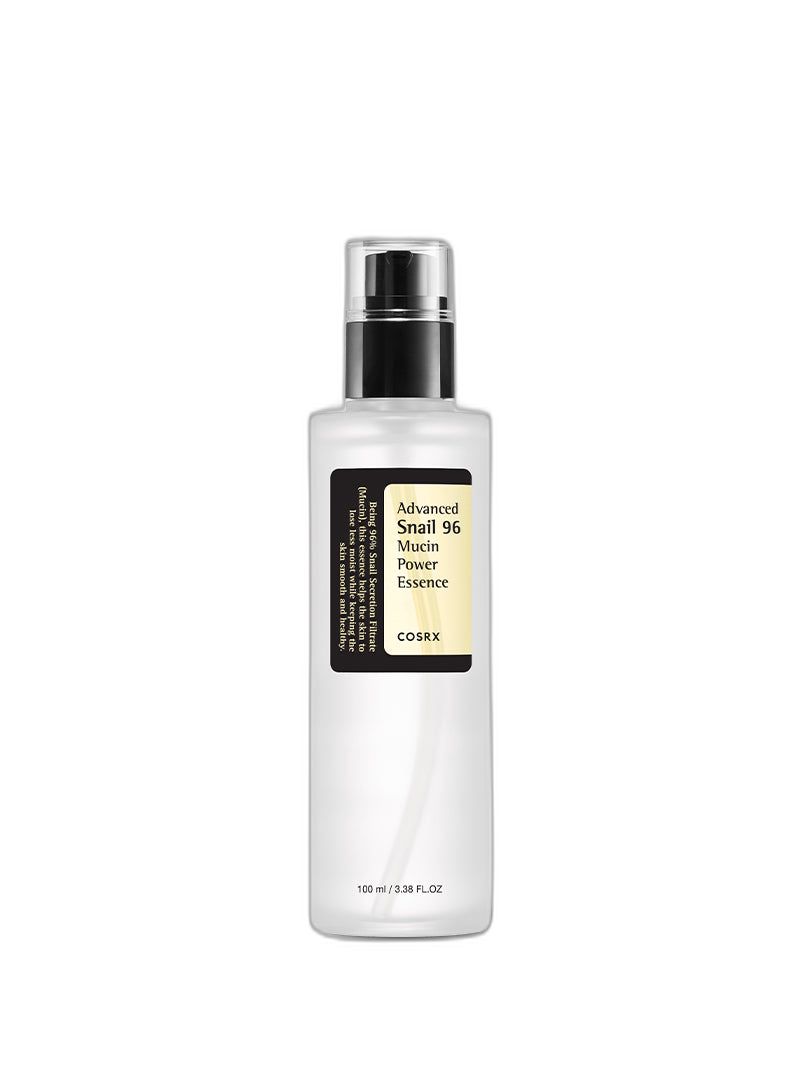
- Serum (COSRX Snail Mucin for hydration without oiliness)
- Lightweight moisturizer (gel formula, not cream)
Yes, moisturizer. Even for oily skin. Especially for oily skin. Skipping moisturizer keeps your skin in the dehydration-overproduction cycle. A lightweight gel moisturizer provides hydration without heaviness. Your skin does not need to overproduce oil if it has adequate moisture.
For the complete evening routine, see our K-beauty night routine guide. For acne-specific product recommendations, see our best K-beauty products for acne.
Common Mistakes When Oil Cleansing Oily Skin
Using too much product. One to two pumps is enough. More product means more emulsification and rinsing required, and a higher chance of residue.
Not emulsifying properly. The emulsification step is critical for oily skin. If you rinse without fully emulsifying first, oil residue stays in your pores. Add water gradually, massage until everything turns milky, then rinse.
Skipping the second cleanser. The oil cleanse leaves emulsified residue on your skin. The second cleanser removes it. Skipping step two defeats the purpose of step one.
Choosing the wrong oil cleanser. Avoid formulas with coconut oil, mineral oil, or heavy fragrances. Look for lightweight, non-comedogenic bases with clean emulsification.
Giving up too soon. The recalibration period is real. Two to four weeks of potentially increased oiliness before your skin adjusts. Most people quit during week two. Push through to week four before judging.
Oil cleansing in the morning. Evening only. Morning oil cleansing strips the protective sebum your skin produced overnight. A gentle water-based cleanser or even just water is sufficient for the morning. See our AM wellness routine for details.
The Long Game
Oil cleansing is not a quick fix. It is a fundamental shift in how you approach oily skin. Instead of fighting your skin’s oil production, you are working with it. Instead of stripping and triggering a rebound, you are cleaning effectively and letting your skin find its own balance.
One member of our team had what she describes as “desperately oily” skin for over a decade. She went through every mattifying product, every stripping cleanser, every oil-absorbing primer. Nothing worked for more than a few hours. When she switched to oil cleansing, the first two weeks were rough. By week six, her oil production had decreased by what she estimates as about 40 percent. She still has oily skin; that is her genetic baseline. But it is manageable oily, not distressing oily. The constant blotting stopped. The midday shine reduced from a crisis to a minor cosmetic issue.
That result is typical of what we see. Oil cleansing does not eliminate oily skin. It brings it to a manageable, healthy baseline where your skin is producing oil because it needs to, not because it is panicking.
For the science behind why sleep, stress, and nutrition also affect oil production, see our sleep, stress, and skin wellness triangle. For product reviews across all skincare categories, see Best Korean Beauty Products by Category on Glow Coded.
Frequently Asked Questions
Will oil cleansing make my oily skin worse?
In the short term (first two to four weeks), your skin may produce more oil as it adjusts. This is because your skin was overproducing oil in response to harsh, stripping cleansers. Once it recalibrates (usually by week four), most people with oily skin see a noticeable decrease in oil production. The oil cleanser removes excess sebum without triggering the compensatory overproduction that harsh cleansers cause.
Can I oil cleanse if I have acne?
Yes, and we recommend it. Acne-prone skin benefits from thorough cleansing that does not damage the moisture barrier. Oil cleansers dissolve the sebum, sunscreen, and dead skin cells that clog pores; the very things that cause acne. Choose a non-comedogenic oil cleanser (avoid coconut and olive oil bases) and make sure you emulsify and rinse thoroughly. For a full acne routine, see our best K-beauty products for acne guide.
How do I know if my oil cleanser is comedogenic?
Check the base oils in the formula. High-comedogenic oils include coconut oil, cocoa butter, and wheat germ oil. Low-comedogenic or non-comedogenic oils include sunflower seed oil, grapeseed oil, jojoba oil, and hemp seed oil. Also check for isopropyl myristate and isopropyl palmitate, which are comedogenic emollients sometimes used in cleansing oils. When in doubt, patch test on your jawline for a week before using on your full face.
Should I oil cleanse every night?
Yes, every evening. If you wore sunscreen during the day (which should be every day), you need the oil cleanse to remove it. The only exception would be a day where you truly did not leave the house and did not apply any products to your face. Even then, your skin produced sebum throughout the day, and the oil cleanse removes that accumulated sebum more effectively than a water-based cleanser alone.
What if oil cleansing breaks me out after a month?
If breakouts persist beyond four weeks and are getting worse rather than better, the specific oil cleanser is likely the problem, not oil cleansing as a method. Switch to a different formula. Try a cleansing oil with a different base oil or switch to a cleansing balm. If you have tried three different oil cleansers and consistently break out, consult a dermatologist; you may have a sensitivity to a common emulsifying ingredient. For oil-free alternatives in the meantime, see our double cleansing without oil guide.