How to Double Cleanse Without Oil: Alternatives That Work
Not everyone wants to use oil on their face. Here are oil-free double cleansing methods that actually remove sunscreen and makeup, plus when they make sense and when they don't.

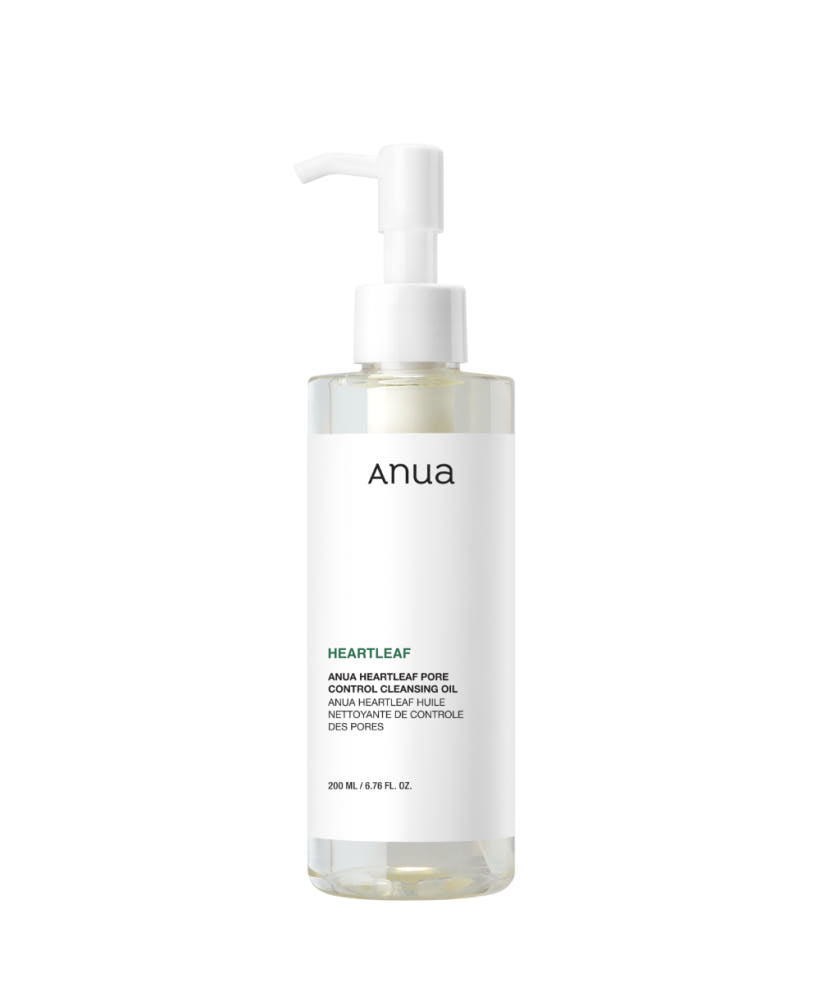
Product photo: Anua Heartleaf Pore Control Cleansing Oil 200ml. Source image.
When we first published our guide to double cleansing, the most common question we received was some variation of: “What if I don’t want to put oil on my face?”
Fair question. The reasons vary. Some people have had bad experiences with oil cleansers breaking them out. Others have oily skin and the idea of adding more oil feels wrong (we address that myth in our oil cleansing for oily skin guide). Some simply do not like the texture. And some are on medications or using treatments that react poorly with oil-based products.
Whatever the reason, we wanted to give an honest answer. Can you double cleanse without oil? Yes. Should you? It depends. Here is the full picture.
What “Double Cleansing” Actually Means
Before we get into alternatives, let us clarify what double cleansing is and is not.
Double cleansing is a two-step process:
- First cleanse removes oil-based impurities (sunscreen, makeup, sebum, pollution)
- Second cleanse removes water-based impurities (sweat, dirt, residual grime)
The original Korean method uses an oil-based product for step one and a water-based product for step two. The reason is chemistry: oil dissolves oil. Water dissolves water-soluble substances. One product cannot optimally do both.
When we talk about double cleansing without oil, we are replacing step one with a non-oil product. The principle stays the same. The question is whether the replacement can match the oil’s dissolving power.
The honest answer: usually not completely. But sometimes “good enough” is genuinely good enough.
When Oil-Free Double Cleansing Makes Sense
Let us start with the situations where skipping oil is reasonable:
You wear minimal or no makeup. If your heaviest product is a light tinted moisturizer or BB cream, a micellar water can handle it.
You use a lightweight, non-water-resistant sunscreen. Some chemical sunscreens (especially the lightweight gel formulas) wash off more easily than mineral or water-resistant options. A thorough micellar cleanse can remove these adequately.
You are in the middle of a tretinoin purge or active treatment period. Some dermatologists recommend avoiding oil cleansers during certain treatment phases because the massage step can irritate sensitized skin. A no-touch micellar wipe or gentle cleansing milk reduces friction.
You have a diagnosed allergy to common cleansing oil ingredients. This is rare but real. If you have reacted to multiple oil cleansers, talk to a dermatologist about patch testing before trying more.
You genuinely cannot tolerate the texture. Skincare only works if you actually do it. If the oil step is so unpleasant that you skip your evening routine entirely, a less effective but more tolerable alternative is the smarter choice.
When You Really Should Use Oil
We would be dishonest if we did not say this clearly: for some situations, oil-free alternatives fall short.
You wear heavy or waterproof makeup. Full-coverage foundation, setting powder, waterproof mascara, and long-wear lip products are designed to resist water. Micellar water and cleansing milks struggle with these. You will end up wiping harder and longer, which causes more irritation than a gentle oil massage would.
You use water-resistant sunscreen. If your sunscreen says “water resistant” or “sport,” it is formulated to survive sweat and water. That same resilience means water-based removers have a hard time dissolving it. Leftover sunscreen in pores is a direct path to congestion and breakouts.
You live in a polluted environment. Airborne pollutants bind to the sebum on your skin. An oil cleanser lifts that sebum-pollution complex off efficiently. Water-based cleansers leave much of it behind.
If any of these apply, we strongly recommend reading our complete double cleansing guide and giving oil cleansing a proper try. The Anua Heartleaf Cleansing Oil is an excellent starting point because it is lightweight and rinses clean without residue.
Oil-Free First Cleanse Options
Here are the alternatives, ranked by effectiveness:
Option 1: Micellar Water (Best Oil-Free Alternative)
Micellar water contains tiny oil molecules (micelles) suspended in water. These micelles attract and trap oil-based impurities. It is not technically oil-free at the molecular level, but you will never feel oil on your skin.
How to use it as a first cleanse:
- Saturate a cotton pad with micellar water
- Press the pad against your skin for 5 seconds (let the micelles do the work)
- Gently wipe in one direction; do not scrub back and forth
- Repeat with fresh pads until the pad comes away clean
- Follow with your water-based second cleanser
Effectiveness: Moderate. Handles light makeup, non-waterproof sunscreen, and daily sebum reasonably well. Struggles with heavy makeup and water-resistant sunscreen.
Pros: No rinsing needed for the micellar step, gentle, accessible, available everywhere.
Cons: Requires cotton pads (waste), wiping motion can irritate sensitive skin over time, multiple pads needed for a thorough cleanse, leaves some residue that the second cleanser must handle.
Our honest assessment: Micellar water is a solid 7 out of 10 as a first cleanser. It gets most of the job done. The 30 percent it misses comes from stubborn sunscreen and sebum in pores. For light-product days, it is perfectly adequate.
Option 2: Cleansing Milk or Lotion
Cleansing milks are emulsions; a mix of water and lipids in a creamy format. They provide more dissolving power than micellar water while maintaining a non-oily feel.
How to use it:
- Apply to dry skin (same as oil cleansing)
- Massage gently for 60 seconds
- Either rinse with water or remove with a damp cloth
- Follow with your water-based second cleanser
Effectiveness: Good. Better than micellar water for sunscreen removal because the lipid content is higher. Worse than a true oil cleanser because the oil concentration is lower.
Pros: Feels gentle and comfortable, good for dry and sensitive skin, no cotton pads needed.
Cons: Less common in K-beauty (more of a French/European skincare staple), harder to find formulas optimized for Korean sunscreen removal.
Our honest assessment: A solid option for dry and sensitive skin types who need something between micellar water and oil. If we had to rank it, 7.5 out of 10 as a first cleanser.
Option 3: Cleansing Water (Not Micellar)
Some Korean brands make “cleansing waters” that are distinct from micellar water. These contain gentle surfactants rather than micelles and are designed to be used more like a toner-cleanser hybrid.
How to use it:
- Saturate a cotton pad
- Wipe across face
- Follow with second cleanser
Effectiveness: Low to moderate. These are best as a quick pre-cleanse before your real cleanser, not as a standalone first cleanse. They remove surface-level grime but do not dissolve sunscreen effectively.
Our honest assessment: 5 out of 10 as a first cleanser. Fine for no-makeup, no-sunscreen days. Not sufficient as a daily first cleanse.
Can You Double Cleanse With the Same Cleanser?
This is one of the most searched questions we see, so let us address it directly.
Can you use the same water-based cleanser twice? Technically yes. Some people wash with their gel or foam cleanser, rinse, then wash again. This is better than a single cleanse for removing water-based impurities.
Does it replace a proper first cleanse? No. Here is why: using the same water-based cleanser twice means you are running the same solvent over your skin twice. Water-based surfactants dissolve water-based substances. They do not dissolve oil-based substances like sunscreen and sebum. Repeating the same step twice does not change the chemistry.
Think of it this way: if you have a grease stain on a shirt, running it through the washing machine twice with the same detergent might lighten it, but a degreasing pre-treatment would remove it completely. Oil-based first cleansers are that pre-treatment.
When two water-based cleanses make some sense:
- You did not wear sunscreen or makeup that day (rare, but it happens)
- You are using a water-based cleansing device (like a sonic brush) for the second pass, adding mechanical action to compensate for chemical limitations
- Your skin truly cannot tolerate any oil or micellar product, and you need to do something
In every other case, we recommend either a proper oil first cleanse or micellar water. Using two different types of products will always outperform using the same product twice.
Building an Oil-Free Double Cleanse Routine
If you have decided that oil-free is the right approach for your skin, here is the routine we recommend:
For Light Product Days (No Waterproof Sunscreen, Minimal Makeup)
First cleanse: Micellar water on cotton pads until pads come away clean Second cleanse: COSRX Low pH Good Morning Gel Cleanser
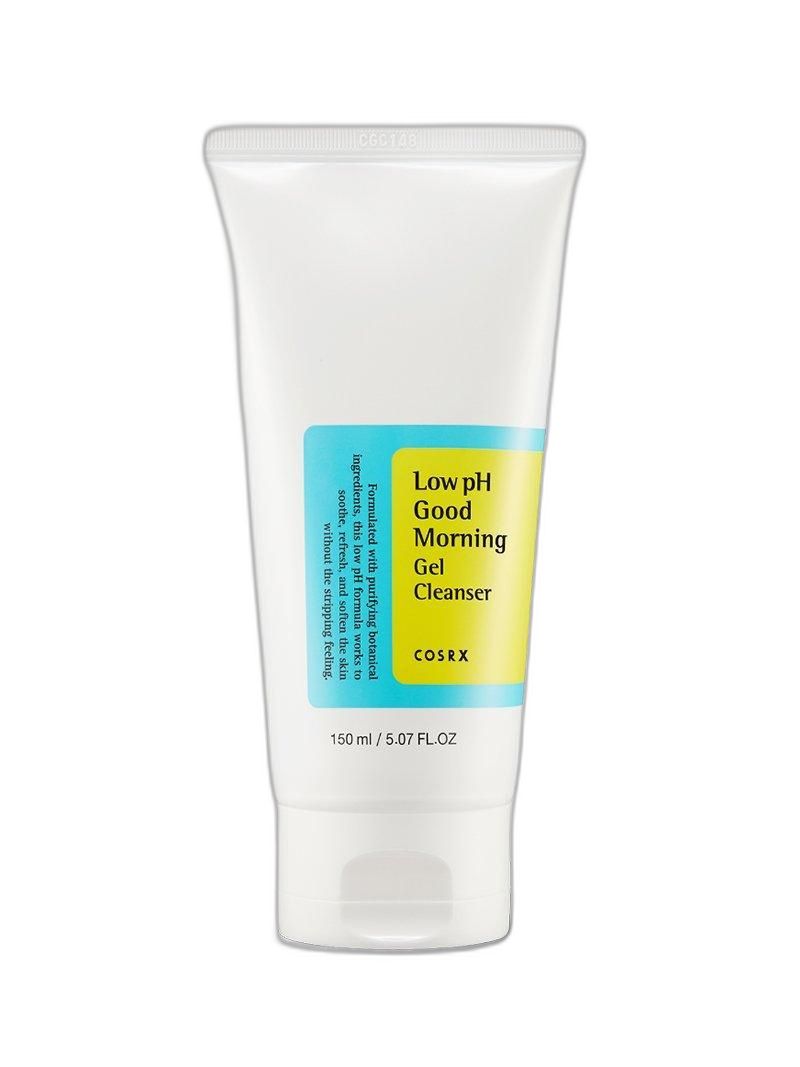
This combination works well for everyday use when your product load is light. The micellar water handles the surface layer. The COSRX gel handles everything else. Total time: about 2 minutes.
For Medium Product Days (Regular Sunscreen, Light Makeup)
First cleanse: Cleansing milk, massaged for 60 seconds, rinsed Second cleanse: COSRX Low pH Good Morning Gel Cleanser or your preferred gentle gel cleanser
The cleansing milk provides more dissolving power for regular sunscreen. Follow up with the gel cleanser to ensure no residue remains.
For Heavy Product Days (Waterproof Sunscreen, Full Makeup)
Honestly? We recommend using an oil cleanser for these days even if you prefer oil-free the rest of the time. No oil-free alternative matches the dissolving power needed for water-resistant products.
If you absolutely cannot use oil, the best approach is:
- Micellar water, multiple pads, pressing and holding against stubborn areas
- Cleansing milk, massaged for 90 seconds
- Water-based cleanser
Three steps for heavy product days. Two oil-free cleansers followed by the water-based cleanser. It works, but it is more labor-intensive than a single oil cleanse would be.
Tips for Making Oil-Free Double Cleansing More Effective
Press, don’t wipe. When using micellar water, pressing the saturated cotton pad against your skin for a few seconds lets the micelles bond with impurities. Wiping back and forth creates friction and spreads the impurities around rather than lifting them off.
Use lukewarm water. Both for cleansing milks and your second cleanser. Warm water helps dissolve products better than cold water. Do not use hot water; it strips the moisture barrier.
Don’t rush the second cleanse. Because the oil-free first cleanse is less thorough by nature, the second cleanse has to compensate. Give it the full 60 seconds of massage rather than the usual 30.
Check your work. After your routine, run a clean finger across your face. If you feel any grittiness or film, especially along the hairline and jawline, your first cleanse left something behind. Add an extra micellar pass to those areas next time.
Switch to oil on heavy days. This is not failure. It is strategy. Using micellar water five days a week and an oil cleanser on two heavy-product days gives you the best of both approaches. The Anua Heartleaf Cleansing Oil is light enough that even oil-averse people tend to tolerate it.
The Compromise Approach: Cleansing Balms
If your issue with oil cleansing is specifically the liquid oil texture (it drips, it feels heavy, it seems messy), cleansing balms might be the perfect middle ground. Balms start as a solid, so they are not messy. They melt into a thin oil on your skin, but the experience feels very different from pouring liquid oil onto your face.
The Beauty of Joseon Radiance Cleansing Balm is our go-to recommendation for people who dislike liquid oil cleansers. It is technically an oil-based product, so it has the full dissolving power, but the user experience is much closer to using a moisturizer than pouring oil on your face.
For full product recommendations across oil and non-oil cleansers, see our best double cleansing products guide. For the complete evening routine that follows double cleansing, see our K-beauty night routine.
The Bigger Picture
We believe in meeting people where they are. If oil-free double cleansing is what gets you to actually wash your face thoroughly every evening, it is infinitely better than skipping the routine because you dread the oil step.
Skincare should not feel like punishment. The best routine is the one you actually do, consistently, without resentment. Start with what works for you. If your skin tells you it needs more (persistent congestion, dullness, breakouts despite cleansing), that is when to consider graduating to an oil-based first cleanse.
For anyone exploring oil cleansing for the first time, especially if you have oily skin and feel hesitant, read our oil cleansing for oily skin guide. The science behind why oil helps oily skin might change your mind.
For ingredient analysis of specific cleansing products, see K-Beauty Ingredients Decoded on Glow Coded. For a broader look at building a routine from scratch, their How to Build a Skincare Routine From Scratch guide is a solid starting point.
Frequently Asked Questions
Can you double cleanse with just water and a cleanser?
Water alone is not effective as a first cleanse because it cannot dissolve oil-based impurities like sunscreen and sebum. If you have worn sunscreen during the day (which we always recommend), rinsing with water first accomplishes very little. The water-based cleanser in step two handles water-soluble dirt and sweat, but it needs help with the oil-based layer. At minimum, use micellar water as your first step rather than plain water.
Is micellar water enough to remove sunscreen?
For lightweight, non-water-resistant chemical sunscreens, micellar water does a reasonable job when used correctly (press, hold, wipe gently, repeat until the pad is clean). For mineral sunscreens, tinted sunscreens, or any formula labeled “water resistant,” micellar water alone is usually insufficient. You will need multiple passes and should follow with a thorough second cleanse. An oil cleanser remains the most effective option for stubborn sunscreen removal.
Can I use two different water-based cleansers as my double cleanse?
You can, but it is suboptimal. Two water-based cleansers both target the same type of impurities (water-soluble). You would be cleaning the same layer twice rather than addressing two different layers. It is marginally better than a single cleanse because the second pass catches what the first missed, but it fundamentally cannot dissolve oil-based buildup the way an oil or micellar product can.
Will skipping the oil cleanse cause breakouts?
If you wear sunscreen or makeup daily and only use a water-based cleanser, leftover product residue can accumulate in pores over time. This invisible film prevents your evening skincare from penetrating properly and creates an environment where breakouts are more likely. Whether you use oil, micellar water, or cleansing milk, some form of first cleanse is important for keeping pores clear.
What is the gentlest way to double cleanse for sensitive skin?
For sensitive skin, use a fragrance-free micellar water as your first cleanse (press and hold method, no rubbing) followed by a low-pH cream or mousse cleanser. Avoid foam cleansers with SLS, and keep both steps brief. If your skin tolerates it, a cleansing balm applied with minimal pressure is actually gentler than micellar cotton pads because it eliminates the friction of wiping.