How to Compare Protein Powders: Labels, Testing and Cost
Compare a protein powder's exact formula, serving size, certification and cost with a practical worksheet. No unsupported taste tests or product rankings.

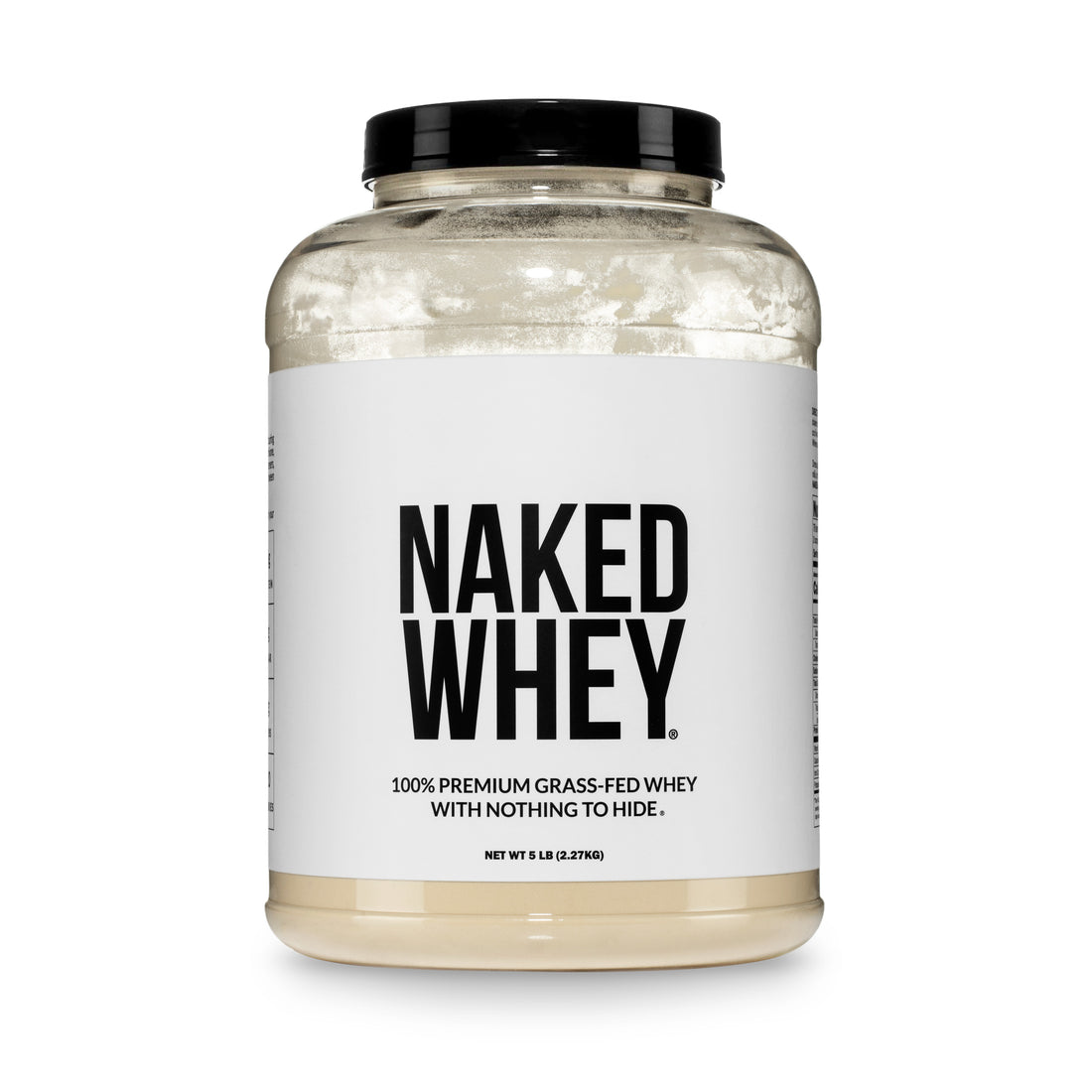
Product photo: Naked Whey unflavored 5 lb. Source image.
The useful question is whether a particular protein powder fits a need you have identified, with a label and price you can check. A long ranking of “clean” products does not answer that question on its own.
Editorial correction, 3 October 2026: An earlier version described 14 powders as personally tested and made product-specific certification, taste and price claims without supporting records. We have removed that ranking. This replacement is a source-based buying checklist; Rooted Glow has not conducted laboratory, taste or performance testing of these products.
Start with the reason for the purchase
Write down why you are considering a powder and what it would replace or add to your ordinary food plan. Convenience, dietary preferences and a clinician’s recommendation are different reasons to investigate a product. None requires you to choose the largest tub or a subscription immediately.
If you are unsure whether supplementation is appropriate, discuss your diet, medicines and health conditions with a qualified healthcare professional. The FDA’s consumer guidance on dietary supplements explains that supplements can carry risks and are not approved by FDA for safety and effectiveness before marketing. “FDA approved” should therefore not be accepted as a blanket endorsement of a dietary supplement.
The new photograph shows the manufacturer’s Naked Whey unflavored 5 lb tub, checked on 4 October 2026 against the official product listing. It illustrates a specific package, not a tested winner. Other sizes and flavors have separate labels. This manufacturer reference is not an affiliate link; no commission relationship or personal product test is claimed.
Compare the exact formula and flavor
A brand name is not a complete product identity. Different flavors, package sizes and regional formulas may have different ingredient lists. Record the full name and the label from the version you can actually purchase.
| Record | Why it matters for the comparison |
|---|---|
| Full product and flavor | Keeps a claim about one version from being applied to another |
| Package weight and stated servings | Makes the size and price calculation checkable |
| Serving size and protein per serving | Prevents “one scoop” from being treated as the same amount across products |
| Complete ingredients and allergen information | Lets you check your own requirements against the actual label |
| Certification program and exact listing | Separates a verifiable certification from a general marketing claim |
| Delivered price and order type | Includes shipping and distinguishes a one-time order from a subscription |
Do not infer that an unfamiliar ingredient is harmful or that a short ingredient list proves safety. “Clean” and “natural” are not substitutes for checking the specific formula and the evidence behind a claim. This guide does not rank sweeteners or prescribe a protein target.
Verify what the testing claim covers
Look for the named certification program, then check its own directory for the exact product. A logo copied into a retailer image is weaker evidence than a current matching entry. Save the date and the product details you checked; ask the certifier or manufacturer if the listing is ambiguous.
NSF describes its supplement certification as including label-claim and contaminant checks. Its Certified for Sport program adds screening relevant to banned substances. These programs have defined scopes: they are not Rooted Glow taste tests, and they do not establish that a powder will achieve your personal training goal.
The NIH Office of Dietary Supplements also explains that a quality seal does not guarantee safety or effectiveness. Keep three questions separate: what is in the product, what a certification checks, and whether the product is useful for you.
Compare price using the same basis
Use the price available to you, including unavoidable delivery charges. Keep any recurring-order discount separate from the one-time price.
For a hypothetical example, Powder A costs €30 for 20 stated servings containing 20 g of protein each. That is €1.50 per serving, or €0.075 per gram of labeled protein. Powder B costs €36 for 30 servings containing 15 g each: €1.20 per serving and €0.08 per gram. B is cheaper per serving; A is cheaper per gram of labeled protein. These are invented calculation examples, not current product prices or a recommendation about how much to consume.
A lower unit price does not settle the decision. The package still needs to match your requirements, and a large tub is poor value if you do not use it. Do not compare an introductory subscription price with another product’s normal one-time price without labeling that difference.
Keep a short decision record
Write one sentence for each of these before buying:
- The reason I am considering this product.
- The exact formula, flavor and package I checked.
- The ingredient or allergen requirements that matter to me.
- What the named testing program verifies, and the directory entry I found.
- The complete cost, order type and any question I still need answered.
Leaving the purchase undecided is reasonable when an important answer is missing. There is no product winner or affiliate supplement recommendation in this guide. Its purpose is to make your comparison traceable instead of asking you to trust an unsupported ranking.