Ashwagandha for Cortisol: Evening Stress Routine
How ashwagandha modulates cortisol, the dose that the studies use, and an evening wind-down routine that pairs it with breath, light, and one calming K-beauty step.

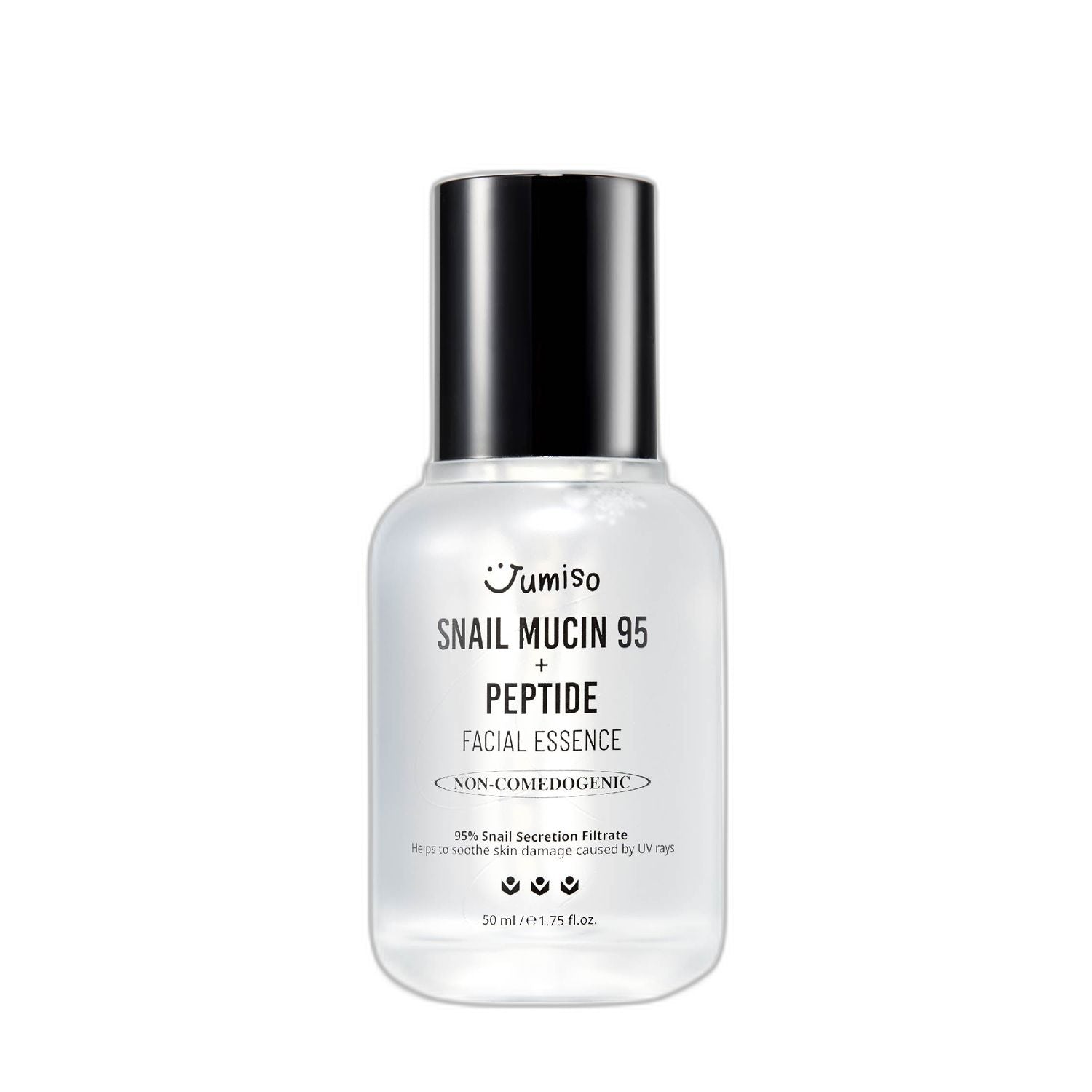
Product photo: Jumiso Snail Mucin 95% + Peptide Essence 140ml. Source image.
Ashwagandha for Cortisol: Evening Stress Routine
In our fast-paced modern world, stress has become an unwelcome constant. The relentless demands of work, personal life, and societal pressures can leave us feeling perpetually on edge, caught in a cycle of “fight or flight.” While this ancient survival mechanism served our ancestors well, chronic activation in the absence of true physical danger leads to a detrimental overproduction of cortisol – our body’s primary stress hormone. Elevated cortisol levels, day in and day out, can wreak havoc on our physical and mental well-being, manifesting as fatigue, poor sleep, weight gain, anxiety, and even skin issues.
But what if there was a natural, time-tested ally to help us navigate this modern stressscape, gently guiding our bodies back to a state of calm and balance? Enter Ashwagandha, a revered herb with a rich history and compelling scientific support, ready to become the cornerstone of your evening stress routine.
What is Ashwagandha?
Ashwagandha, scientifically known as Withania somnifera, is a small evergreen shrub native to India, the Middle East, and parts of Africa. Its name, derived from Sanskrit, translates to “smell of a horse,” alluding to its unique aroma and the traditional belief that consuming it imparts the strength and vitality of a stallion. For thousands of years, Ashwagandha has been a cornerstone of Ayurveda, one of the world’s oldest holistic healing systems, where it’s valued for its rejuvenating and restorative properties.
In modern herbal medicine, Ashwagandha is primarily classified as an adaptogen. Adaptogens are a unique class of herbs that help the body “adapt” to various stressors – whether physical, chemical, or biological – by promoting physiological balance, or homeostasis. Instead of directly stimulating or suppressing a bodily function, adaptogens work by normalizing it, helping your system return to an optimal state. Ashwagandha achieves this through its potent bioactive compounds, particularly a group of naturally occurring steroids called withanolides, which are responsible for many of its therapeutic effects.
The Cortisol Connection: Ashwagandha’s Scientific Backing
Cortisol, often dubbed the “stress hormone,” is naturally produced by your adrenal glands. In appropriate amounts, it’s vital for survival, helping to regulate metabolism, reduce inflammation, control blood sugar, and manage the body’s response to stress. However, when stress becomes chronic, the adrenal glands can pump out excessive cortisol, leading to a cascade of negative health consequences. High cortisol can disrupt sleep, suppress immune function, impair cognitive performance, contribute to abdominal fat storage, and exacerbate feelings of anxiety and depression.
This is where Ashwagandha shines. A growing body of scientific research, including numerous randomized controlled trials (RCTs), consistently demonstrates Ashwagandha’s remarkable ability to modulate the body’s stress response, particularly by reducing cortisol levels. Studies have shown that supplementation with standardized Ashwagandha extract can lead to a significant reduction in serum cortisol, often ranging from 14% to 30%, when taken at dosages of 300-600mg over an 8-week period.
The proposed mechanism involves Ashwagandha’s influence on the hypothalamic-pituitary-adrenal (HPA) axis, the central regulator of the stress response. By helping to balance the HPA axis, Ashwagandha effectively “tunes down” the body’s overactive stress alarm system. Beyond cortisol reduction, Ashwagandha also exhibits anti-inflammatory and antioxidant properties, further supporting overall resilience against the damaging effects of chronic stress. This scientific validation firmly positions Ashwagandha as a powerful tool in the quest for hormonal balance and stress management.
Choosing Your Ashwagandha: KSM-66 vs. Sensoril
When venturing into the world of Ashwagandha supplements, you’ll quickly encounter two prominent, patented, and highly researched extracts: KSM-66 and Sensoril. Both are excellent choices, but they differ slightly in their composition and primary benefits, making the “best” choice dependent on your individual needs.
KSM-66 Ashwagandha:
- What it is: KSM-66 is a full-spectrum extract derived solely from the Ashwagandha root. It’s produced using a unique “green chemistry” process that avoids alcohol or other chemical solvents, aiming to retain the natural balance of the herb’s constituents.
- Withanolide Content: Typically standardized to 5% withanolides, which is considered a robust concentration for efficacy.
- Key Benefits: KSM-66 is perhaps the most extensively researched Ashwagandha extract, with numerous clinical trials supporting its efficacy in reducing stress and anxiety, improving sleep quality, enhancing memory and cognitive function, boosting muscle strength and recovery, and supporting male reproductive health. Its full-spectrum nature is believed to contribute to a broader range of benefits.
- Ideal for: Those seeking comprehensive stress support, cognitive enhancement, physical performance improvement, and a generally well-rounded adaptogenic effect.
Sensoril Ashwagandha:
- What it is: Sensoril is a patented extract derived from both the root and leaf of the Ashwagandha plant. This combination allows for a different profile of bioactive compounds.
- Withanolide Content: Sensoril is typically standardized to a higher concentration of withanolides, often 8-10%, and also contains a significant amount of oligo-saccharides and glycowithanolides, which are believed to contribute to its unique effects.
- Key Benefits: Research on Sensoril highlights its rapid action in reducing stress, improving mood, enhancing sleep quality, and boosting mental clarity. Its higher concentration of specific compounds might offer a more pronounced calming effect for some individuals.
- Ideal for: Individuals looking for more immediate stress relief, enhanced relaxation, improved sleep latency (how quickly you fall asleep), and mood support.
Which to Choose? Both KSM-66 and Sensoril are highly effective and backed by science. If you’re looking for a broad-spectrum adaptogenic effect with extensive research on various aspects of health, KSM-66 is an excellent choice. If your primary concern is rapid stress reduction, improved mood, and enhanced sleep, Sensoril might be slightly more targeted. Ultimately, you may find one works better for you than the other, and it’s perfectly fine to experiment under the guidance of a healthcare professional.
Dosing and Timing: Optimizing Your Ashwagandha Intake
The effectiveness of Ashwagandha, like any supplement, is heavily influenced by proper dosing and strategic timing. While individual needs can vary, general guidelines have emerged from research to help you maximize its benefits.
Evening for Stress Relief and Sleep: For the purpose of an evening stress routine, taking Ashwagandha in the evening is ideal. The adaptogenic properties of Ashwagandha work to gently calm the nervous system and modulate the HPA axis, counteracting the day’s accumulated stress and preparing your body for restorative sleep. Taking it 1-2 hours before bedtime allows sufficient time for the active compounds to begin their work, promoting relaxation without inducing immediate drowsiness.
- Recommended Dosage: The sweet spot for stress and cortisol reduction, as supported by research, is typically 300-600mg of a standardized extract (like KSM-66 or Sensoril). It’s often recommended to start at the lower end (e.g., 300mg) and gradually increase if needed, observing how your body responds.
Morning for Focus and Energy (A Brief Note): While our focus here is on evening use, it’s worth noting that Ashwagandha can also be taken in the morning. Due to its adaptogenic nature, it can help the body manage daily stressors more effectively, promoting sustained energy and mental clarity without the jitters associated with stimulants. If you choose to take it in the morning, a slightly lower dose (e.g., 200-300mg) might be appropriate. However, for a targeted evening stress routine, stick to the evening dosage.
Consistency is paramount. Ashwagandha’s benefits are cumulative, meaning they build up over time. Don’t expect immediate overnight transformation; consistent daily intake for several weeks (typically 4-8 weeks) is necessary to experience its full adaptogenic effects on cortisol reduction and overall well-being.
Important Considerations: Contraindications
While Ashwagandha is generally well-tolerated by most individuals, it’s crucial to be aware of certain contraindications and potential interactions. Always consult with a healthcare professional before starting any new supplement, especially if you have existing health conditions or are taking medications.
- Pregnancy and Breastfeeding: Ashwagandha is generally not recommended during pregnancy and breastfeeding. Some traditional uses suggest it might have abortifacient properties, and there isn’t enough reliable research to confirm its safety for pregnant or nursing individuals and their babies. It’s best to avoid it to err on the side of caution.
- Autoimmune Diseases: Individuals with autoimmune conditions such as rheumatoid arthritis (RA), lupus (systemic lupus erythematosus, SLE), Hashimoto’s thyroiditis, or multiple sclerosis (MS) should exercise caution. Ashwagandha has been shown to enhance immune function, which could potentially exacerbate symptoms in autoimmune conditions where the immune system is already overactive. Consult your doctor.
- Thyroid Medications: Ashwagandha may increase thyroid hormone levels. If you are taking thyroid hormone medication (e.g., levothyroxine) for hypothyroidism, combining it with Ashwagandha could lead to an excessive increase in thyroid hormones. Close monitoring by a doctor and potential adjustment of medication dosage would be necessary.
- Diabetes Medications: Ashwagandha may lower blood sugar levels. If you are taking medications for diabetes, combining them with Ashwagandha could lead to hypoglycemia (dangerously low blood sugar). Monitor your blood sugar closely and consult your doctor for potential dosage adjustments.
- Blood Pressure Medications: Ashwagandha may also lower blood pressure. If you are on medication for high blood pressure, combining it with Ashwagandha could cause your blood pressure to drop too low, leading to symptoms like dizziness or fainting. Discuss with your doctor.
- Sedatives/Anxiolytics: Ashwagandha has mild sedative and anxiolytic (anti-anxiety) properties. Taking it alongside prescription sedatives (e.g., benzodiazepines, barbiturates) or other supplements with sedative effects could lead to excessive drowsiness or sedation.
- Surgery: Due to its potential effects on blood sugar and blood pressure, Ashwagandha should be discontinued at least two weeks before any scheduled surgery.
Always prioritize safety and informed decision-making. Your healthcare provider can offer personalized advice based on your complete health profile.
The Rooted Glow Evening Stress Routine: 6 Steps to Serenity
Transforming your evenings from a continuation of stress into a sanctuary of calm is not just a luxury; it’s a necessity for your well-being. This 6-step routine, anchored by Ashwagandha, is designed to systematically unwind your body and mind, promoting deep relaxation and preparing you for truly restorative sleep.
Step 1: Dim the Lights (8:00 PM)
The first step in signaling to your body that it’s time to wind down is to manipulate your environment. Our bodies are exquisitely sensitive to light, especially the blue light emitted from screens (phones, tablets, computers, TVs) and harsh overhead lighting. Blue light suppresses the production of melatonin, the hormone responsible for regulating your sleep-wake cycle (circadian rhythm), effectively telling your brain it’s still daytime.
- Action: As 8:00 PM approaches, make a conscious effort to dim the lights in your living space. Switch off bright overhead lights and opt for warmer, softer ambient lighting, such as lamps with lower wattage bulbs or those with a yellow or orange hue. Consider investing in smart bulbs that allow you to adjust color temperature and brightness. Most importantly, begin to distance yourself from screens. If completely avoiding them isn’t possible (e.g., for essential tasks), activate blue light filters on your devices or wear blue light-blocking glasses. This simple act sends a powerful message to your brain: the day is ending, and it’s time to transition to rest.
Step 2: Ashwagandha + Magnesium Glycinate (8:30 PM)
This is the core of your stress-busting supplement regimen, working synergistically to calm your nervous system and prepare your body for deep rest.
-
Ashwagandha: Take your recommended dose of 300-600mg of a standardized Ashwagandha extract (KSM-66 or Sensoril). As discussed, this adaptogen will work over the coming weeks to modulate your HPA axis, reduce cortisol, and enhance your body’s resilience to stress. Its gentle, cumulative effects will help quiet the mental chatter that often accompanies a stressful day.
-
Magnesium Glycinate: Pair your Ashwagandha with 200-400mg of Magnesium Glycinate. Magnesium is a vital mineral involved in over 300 biochemical reactions in the body, many of which are crucial for relaxation and sleep. Magnesium glycinate is particularly recommended because it’s highly bioavailable (easily absorbed) and less likely to cause gastrointestinal upset compared to other forms of magnesium. It works by activating the parasympathetic nervous system, which is responsible for “rest and digest,” relaxing muscles, and calming nerve activity. It also helps regulate neurotransmitters that are directly involved in sleep.
-
Action: Take both supplements with a glass of water. Make this a consistent ritual, understanding that these natural allies are laying the groundwork for a more peaceful evening and restorative night.
Step 3: The 4-7-8 Breathing Technique (8:45 PM)
Once your supplements are on board, engage in a powerful, yet simple, breathing exercise to actively shift your body into a state of relaxation. Developed by Dr. Andrew Weil, the 4-7-8 technique is a form of pranayama (yogic breathing) that acts as a natural tranquilizer for the nervous system.
- How it works: This technique stimulates the vagus nerve, which is a major component of the parasympathetic nervous system. By consciously slowing and deepening your breath, you signal to your body that it’s safe to relax, effectively overriding the “fight or flight” response.
- Action:
- Find a comfortable position, either sitting or lying down.
- Place the tip of your tongue against the ridge of tissue just behind your upper front teeth, and keep it there throughout the entire breathing process.
- Exhale completely through your mouth, making a “whoosh” sound.
- Close your mouth and inhale quietly through your nose to a mental count of four (4).
- Hold your breath for a count of seven (7).
- Exhale completely through your mouth, making a “whoosh” sound, to a count of eight (8).
- This completes one breath. Inhale again and repeat the cycle three more times for a total of four breaths.
Focus intently on the counts and the sensation of your breath. You’ll often feel an immediate calming effect.
Step 4: Journaling for Calm (9:00 PM)
Before drifting off, give yourself the gift of reflection and release. Journaling is a powerful tool for processing thoughts and emotions, preventing them from swirling in your mind as you try to sleep.
- Action: Grab a dedicated journal and a pen. Don’t overthink it; the goal is simply to get thoughts out of your head and onto paper.
- Gratitude Practice: Write down at least three things you are genuinely grateful for from the day, no matter how small. This shifts your focus from stress to appreciation.
- Brain Dump: If you have lingering worries, to-do lists, or unresolved thoughts, simply write them down. This act of “downloading” them can make them feel less urgent and less likely to keep you awake.
- Positive Reflection: Briefly reflect on a positive moment, a small success, or something that brought you joy during the day.
This practice helps to clear your mental slate, fostering a sense of peace and closure before sleep.
Step 5: K-Beauty Barrier Repair Step (9:30 PM)
Nurturing your skin can be a deeply calming and mindful ritual, especially when stress often manifests on our complexion. Stress can compromise your skin barrier, leading to dryness, sensitivity, and breakouts. A targeted K-Beauty barrier-repair step not only addresses these concerns but also transforms skincare into a moment of self-care.
-
Why K-Beauty? Korean skincare emphasizes gentle care, hydration, and strengthening the skin barrier, aligning perfectly with a stress-reduction routine. The multi-step approach encourages mindfulness and a deeper connection with your body.
-
The Hero Product: For this step, we recommend the Jumiso Snail Mucin 95 + Peptide Essence. Snail mucin is a beloved K-Beauty ingredient renowned for its ability to hydrate, repair, and regenerate the skin barrier, while peptides support collagen production and overall skin resilience. This essence is lightweight yet incredibly potent, providing intensive healing and hydration without feeling heavy.
-
Action: After cleansing and toning, gently pat a generous amount of the Jumiso Snail Mucin Essence onto your face and neck. Take your time, massaging it in with upward strokes. Feel the cool, soothing texture and allow yourself to be fully present in the moment. Follow with your favorite moisturizer to seal in the goodness. This ritual nourishes your skin and provides a calming sensory experience, reinforcing your commitment to self-care.
Step 6: Lights Out (10:30 PM)
The final, crucial step is adherence to a consistent bedtime. All the previous steps culminate in preparing your body and mind for restorative sleep. Disregarding a consistent sleep schedule undermines your efforts.
- Action: By 10:30 PM, all screens should be off, and your bedroom should be a sanctuary of darkness and quiet. Ensure your room is cool, dark, and comfortable. Avoid checking your phone “just one last time.” Trust that you’ve done everything you can to prepare for sleep, and allow your body to naturally drift off. Consistency in your bedtime helps to regulate your circadian rhythm, making it easier to fall asleep and wake up feeling refreshed over time.
Embracing this evening routine consistently will not only help you reduce cortisol levels and manage stress more effectively but also cultivate a deeper sense of peace and well-being, allowing your rooted glow to truly shine from within.
Related Reading
- Sleep, Stress, and Skin: The Wellness Triangle
- 7 Evening Wind-Down Rituals for Deep Sleep
- 8 Adaptogens That Actually Work
Frequently Asked Questions (FAQ)
Q1: How long does Ashwagandha take to work for cortisol reduction? A: While some individuals report feeling subtle calming effects within a few days, significant cortisol reduction and noticeable improvements in stress and anxiety typically emerge after consistent daily use for 2-4 weeks, with optimal results often observed around 8 weeks. Ashwagandha’s benefits are cumulative.
Q2: Can I take Ashwagandha with other supplements? A: Generally, yes, Ashwagandha can be safely combined with many supplements. As highlighted in our routine, it pairs well with Magnesium Glycinate. However, always be mindful of potential interactions, especially with supplements that have sedative effects or impact blood pressure/sugar. Consult your healthcare provider.
Q3: Is it safe to take Ashwagandha long-term? A: Ashwagandha is generally considered safe for long-term use at recommended dosages. Clinical studies often extend for several months without significant adverse effects. However, some practitioners suggest cycling supplements (e.g., taking a break for a week or two every few months) to prevent the body from adapting too much. Always consult your doctor for personalized advice.
Q4: What if I forget to take my Ashwagandha in the evening? A: Consistency is key for optimal results. If you forget one evening, don’t double your dose the next day. Simply resume your routine as usual. While a missed dose won’t derail your progress, aim for daily intake to maintain steady levels and support your body’s adaptogenic response.
Q5: Will Ashwagandha make me drowsy? A: Ashwagandha typically promotes relaxation and calm rather than direct drowsiness, which is why it’s excellent for evening use. It helps reduce the anxiety and stress that can prevent sleep. While some individuals might feel a subtle sedative effect, it’s not generally considered a strong sedative like sleep aids.
Q6: Can Ashwagandha help with anxiety specifically? A: Yes, numerous studies indicate Ashwagandha’s efficacy in reducing symptoms of anxiety. By modulating the stress response (HPA axis) and lowering cortisol, it helps to calm the nervous system, leading to a reduction in perceived stress and anxiety levels. It’s often compared to mild anxiolytics in its effects.
Q7: What’s the difference between Ashwagandha powder and capsules? A: Capsules (especially those containing standardized extracts like KSM-66 or Sensoril) offer precise dosing and convenience, masking Ashwagandha’s distinct, sometimes bitter, taste. Powder is more versatile for mixing into drinks or food but requires careful measurement and can be less palatable for some. For consistent and effective cortisol reduction, standardized extracts in capsule form are generally recommended.
Q8: Where can I buy high-quality Ashwagandha? A: Look for reputable brands that prioritize third-party testing for purity and potency. Ensure the product specifies a standardized extract (e.g., 5% withanolides) and clearly states whether it’s KSM-66 or Sensoril. Check for certifications and transparent sourcing. Online retailers and health food stores often carry well-regarded brands.